
Auto Heating & Air Conditioning Repair
AUTO HEATING AND AIR CONDITIONING REPAIR in Pomona, CA
Servicing a vehicle air conditioner requires EPA Section 609 certification, and most vehicles built in recent model years use R-1234yf instead of the older R-134a. M & A Auto Care handles auto heating and air conditioning repair in Pomona, CA: A/C diagnostics, leak testing, system recharging in about 45 minutes, compressor failures, weak airflow, warm vents, cabin heat complaints, and climate control inspections on factory-installed systems. Estimates are free, and every finding gets explained before any work is approved.
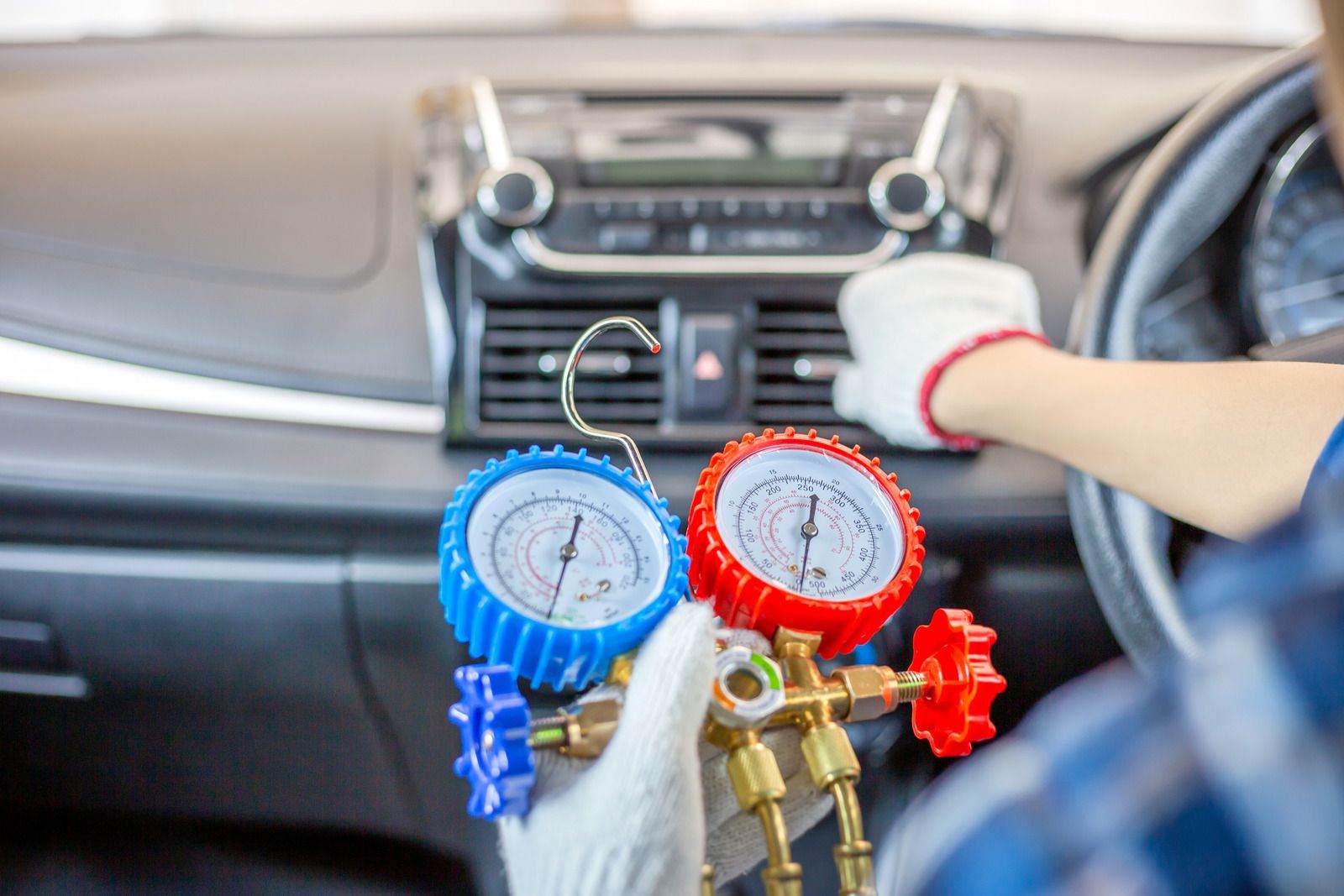
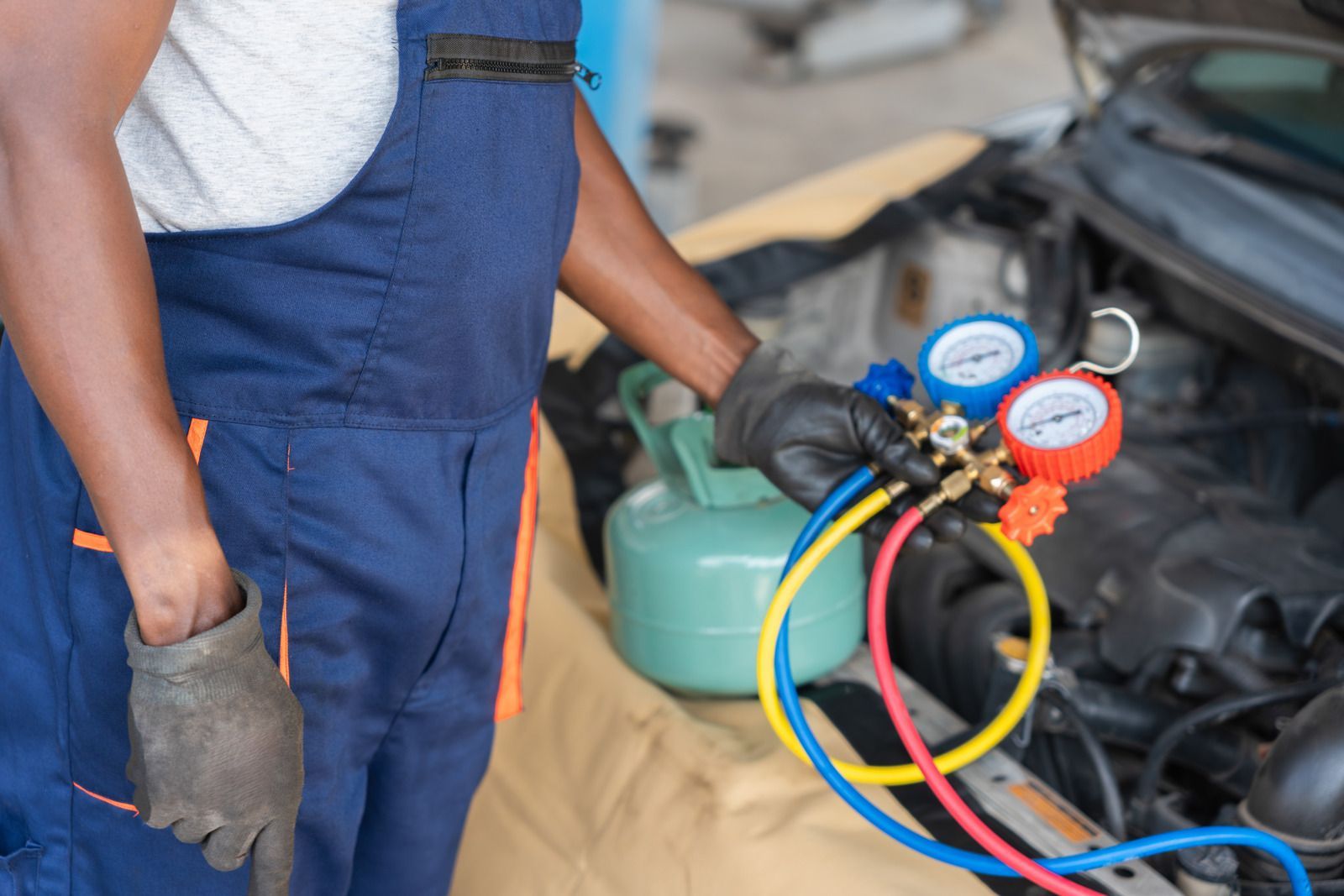
COLD AIR IS A SYSTEM, NOT A CAN.
An air conditioning system only feels simple from the driver's seat. Refrigerant charge, compressor operation, the condenser, the expansion device, blend doors, the blower motor, and the cabin filter all have to work together, and any one of them can turn a cold vent lukewarm. Adding refrigerant without finding out which part failed hides the problem for a few weeks at most.
Diagnosis starts with pressures, temperatures, and airflow measured at the vents, then works back through the parts that could explain them. You see those readings before you approve anything at all.
- Pressures and vent temperatures measured
- Leak testing before any recharge
- Recharging in about 45 minutes
- Factory-installed heating and cooling systems
AUTO HEATING AND AIR CONDITIONING REPAIR
WARM VENTS USUALLY HAVE A NAMED CAUSE.
Refrigerant loss, a compressor clutch that will not engage, a blocked condenser, a stuck blend door, a failing blower motor or a cabin filter packed with debris each produce a different pressure signature and a different vent temperature. Our technicians read both, along with electrical control of the compressor, so the repair that follows targets the failure instead of topping off a system that will simply empty again.
POMONA WEATHER TESTS BOTH HALVES OF THE SYSTEM.
August highs here average near 92 degrees, and the hot stretch runs about 3 months above 87 degrees, which is when a marginal compressor or a clogged condenser finally quits. December nights average near 44 degrees, so the same vehicle needs working cabin heat and a defroster a few months later. Servicing before each season arrives is far easier than scrambling through the middle of it.
AUGUST DECIDES WHO DID THE JOB RIGHT.
Every summer brings the same lineup through our bays: vents that went warm in traffic, a compressor that seized, a condenser packed with road grit, a blower that only works on high. In 35 years we have learned that the complaint arriving in July usually started as a small leak in April. Catching it early is cheaper, quieter, and far less miserable than the alternative in the middle of a heat wave.
WHY CHOOSE US FOR AUTO HEATING AND AIR CONDITIONING REPAIR.
DIAGNOSIS BEFORE REFRIGERANT
Pressures, vent temperatures, and compressor control all get measured first, so you are not paying to fill a system that has a leak nobody bothered to locate in the first place.
BACK TO COLD IN ONE VISIT
Recharges take about 45 minutes once the diagnosis is done, so a warm-vent complaint often turns into a same-day fix rather than a week of driving without air conditioning.
HEAT AND COOLING BOTH COVERED
Winter complaints matter as much as summer ones. Blend doors, heater cores, blower motors, and controls all get inspected, so a defroster that quits in December gets the same attention.
CORRECT REFRIGERANT FOR YOUR VEHICLE
R-1234yf and R-134a are not interchangeable, and mixing them damages equipment and systems. Your vehicle gets the refrigerant it was designed for, handled under the certification the work requires.
A WRITTEN ESTIMATE YOU APPROVE FIRST
State law requires a written estimate and your authorization before repairs begin, and that figure is never exceeded without your consent. You decide what gets fixed and when it happens.
WARRANTY ON THE PARTS WE FIT
Most products installed here carry a nationwide warranty of 2 years or 24,000 miles, which is worth knowing before a new compressor or condenser ever goes on your vehicle.
WHAT WE SERVICE
OUR HEATING AND AIR CONDITIONING WORK.
All of the work below applies to factory-installed heating and cooling systems, tested as one unit. Diagnosis comes before parts, and each repair follows the pressures, temperatures, and electrical readings taken on your own vehicle.
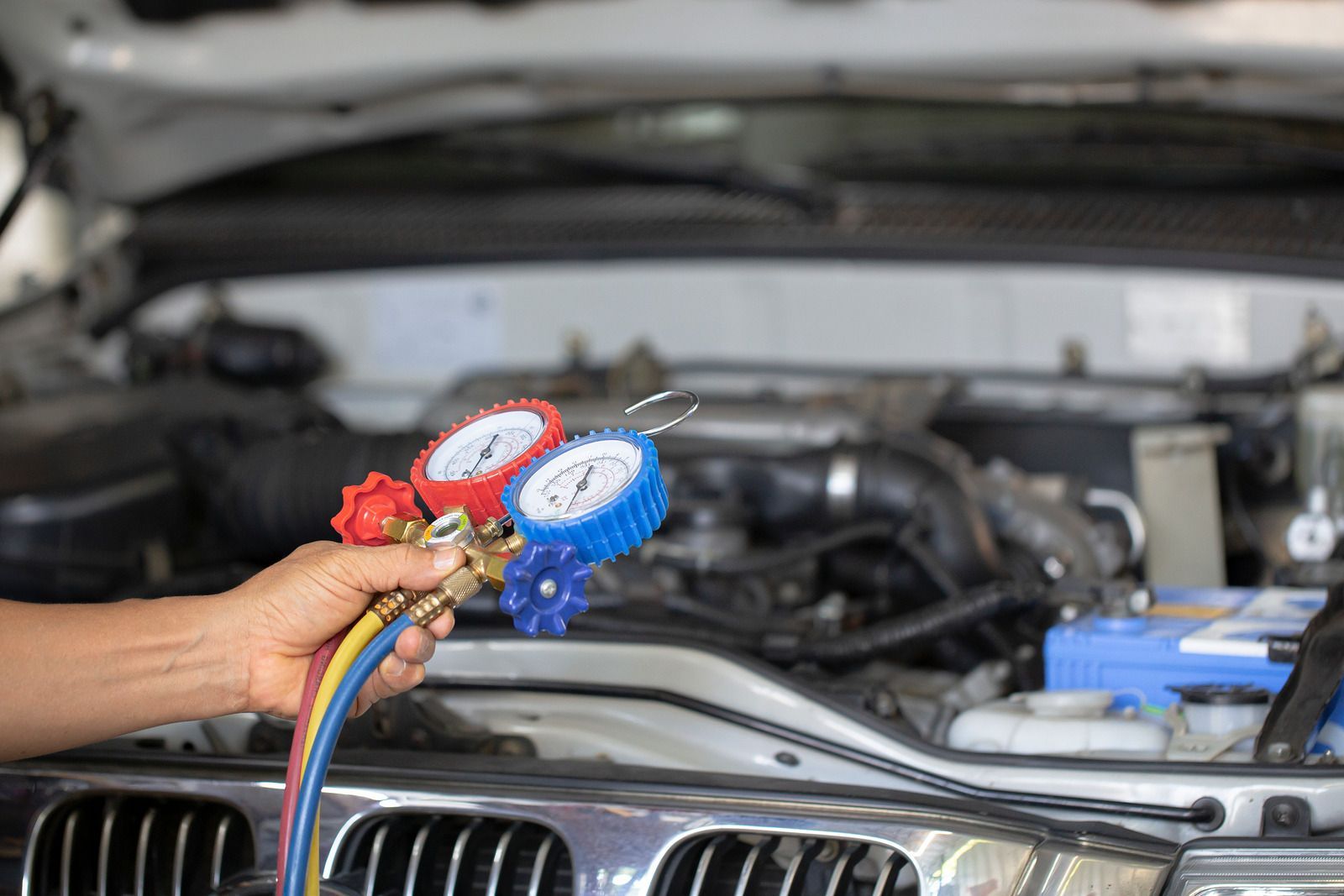
SYSTEM DIAGNOSTICS
A/C Diagnostics And Leak Testing
High and low side pressures, vent temperature, compressor clutch engagement, and system controls get checked together. Leak testing locates where refrigerant is escaping, because a system that emptied once will empty a second time.
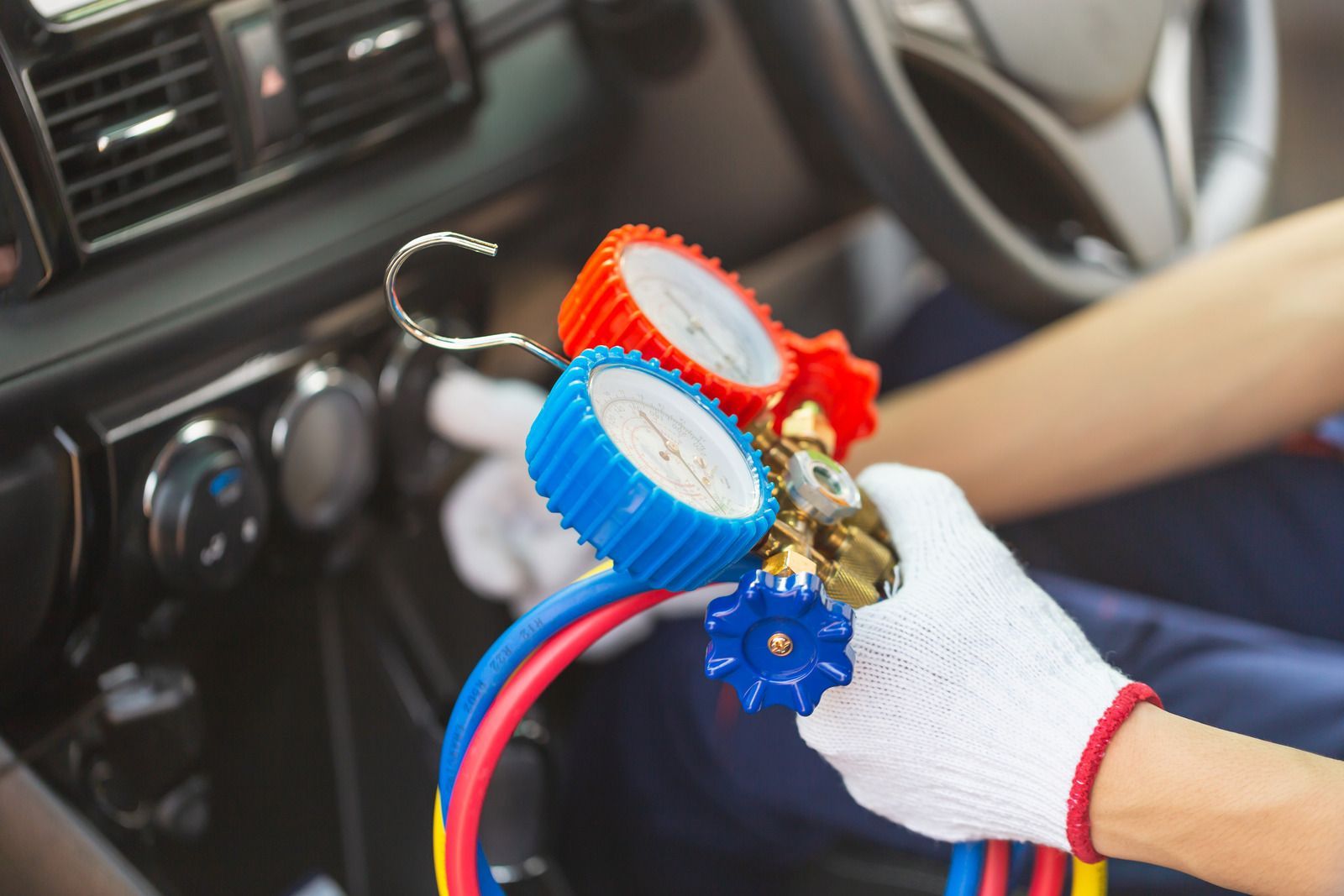
REFRIGERANT SERVICE
System Evacuation And Recharging
Recovery, vacuum, and a measured recharge to the manufacturer's specified weight takes about 45 minutes. Guessing at charge level causes poor cooling and compressor damage, so the amount going in is weighed, not estimated.
COMPRESSOR WORK
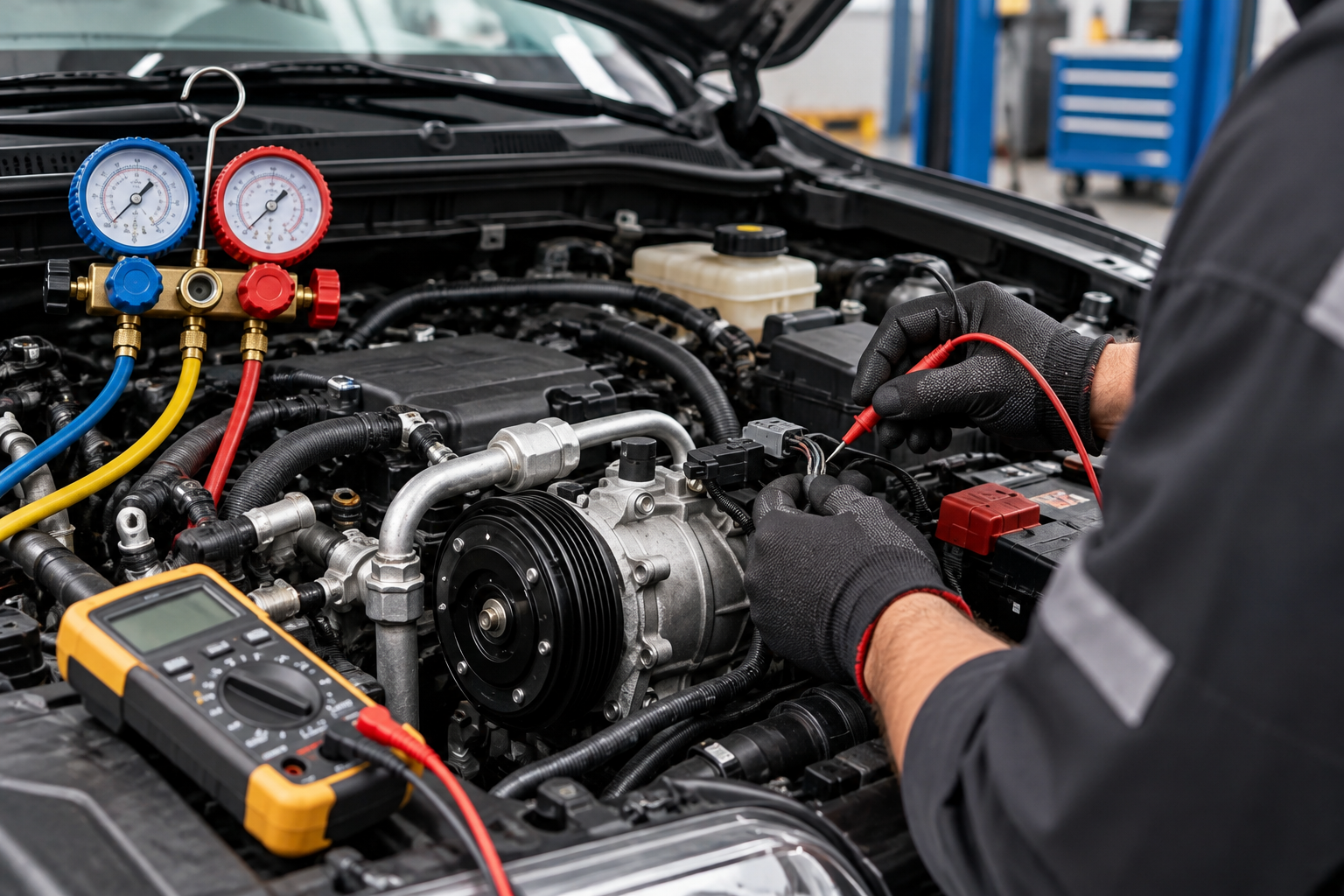
Compressor Diagnosis And Replacement
Noise on engagement, a clutch that never pulls in, or metal debris found in the system all point at the compressor. Electrical control and pressure readings confirm it before that expensive part gets replaced.
AIRFLOW REPAIR
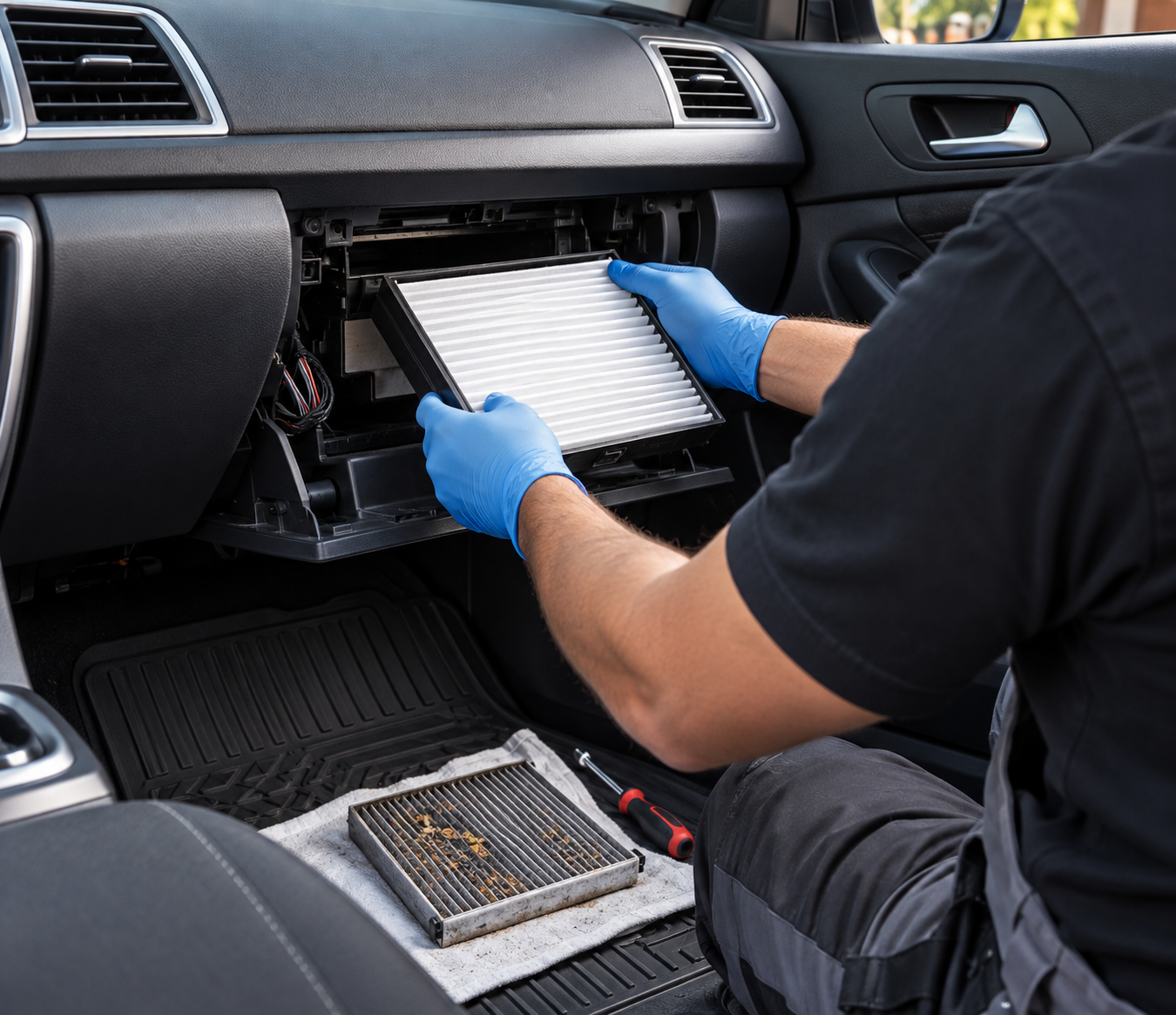
Weak Airflow And Blower Repair
Air that barely reaches the vents usually means a clogged cabin filter, a failing blower motor, a bad resistor or a duct blocked somewhere behind the dash. Each one is tested rather than assumed.
CABIN HEAT
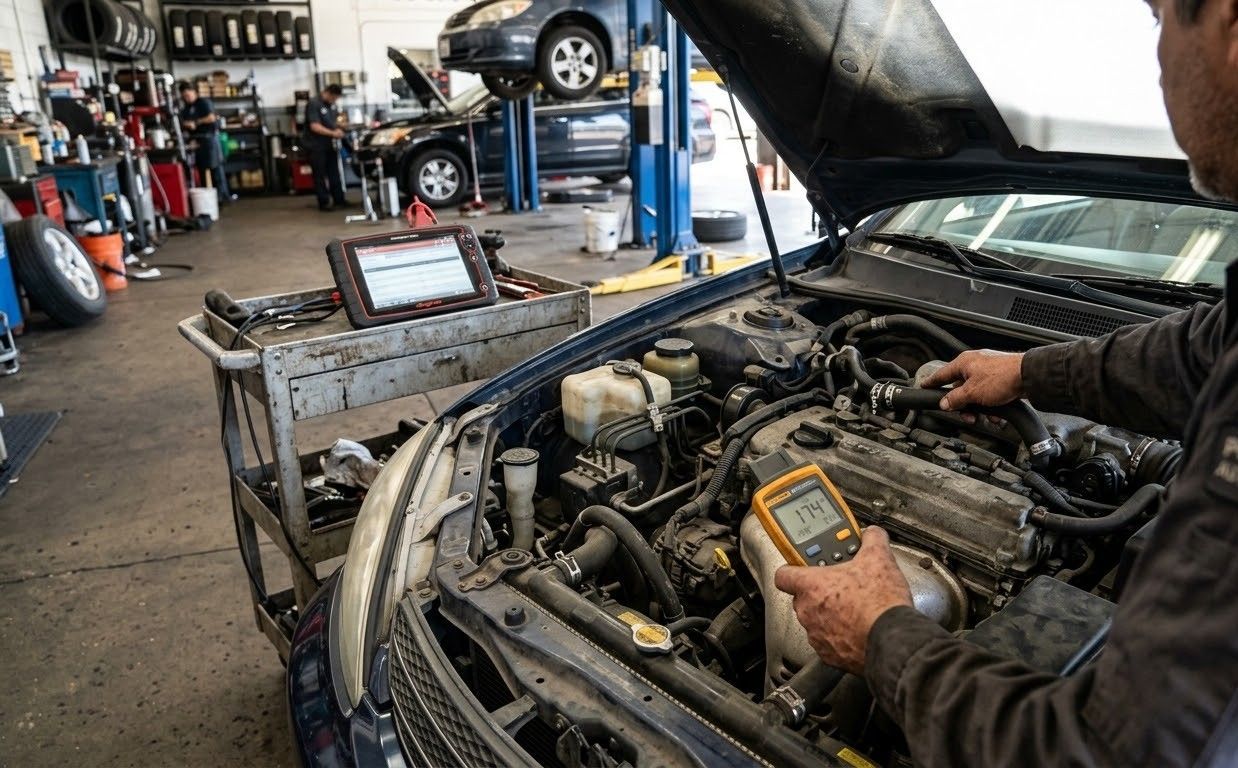
Heating System Repair
No heat at the vents points to coolant level, a stuck thermostat, a restricted heater core or a blend door that stopped moving. Testing separates them, because each produces the same cold complaint at the dash.
CLIMATE INSPECTION
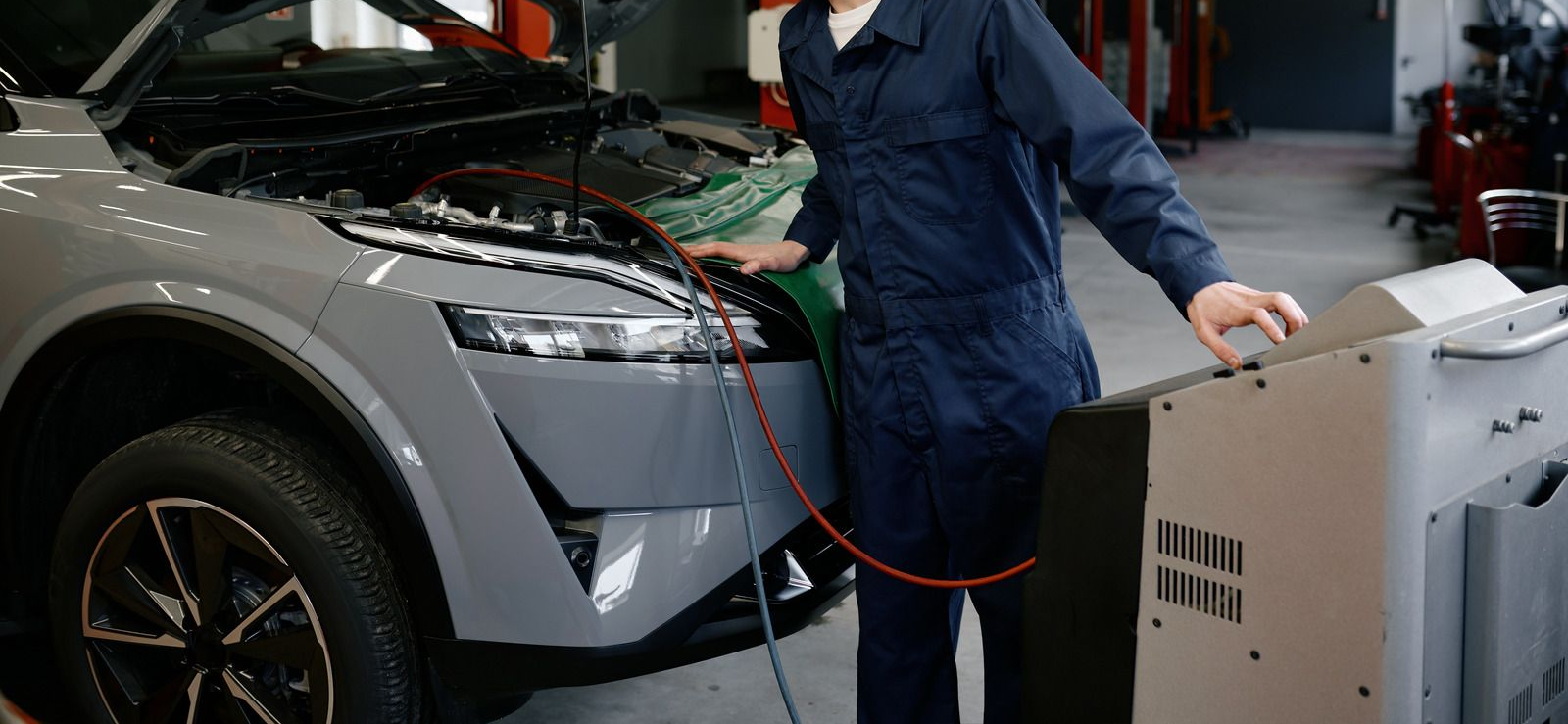
Climate Control Inspections
A seasonal inspection covers refrigerant charge, vent temperatures, belt and condenser condition, blower operation, cabin filter state, and heater function, so both halves of the system are ready before the weather turns on you.
THE WORD ON OUR WORK
WHAT OUR CLIENTS SAY.
Drivers who leave reviews keep landing on the same points: parts that came in went on the same day, jobs finished ahead of the estimated date, and honest answers when a repair someone expected to need turned out to be unnecessary after all.
Common Questions
frequently asked
questions.
Climate questions arrive in two waves: warm vents in summer and no heat in winter. These answers cover smells, filters, refrigerant types, noises, and how often the system should be checked.
Why do my vents smell musty when the A/C is on?
Moisture collects on the evaporator, and bacteria and mold grow in that damp, dark space. A clogged cabin filter makes it worse by holding debris. Cleaning the drain, replacing the filter, and treating the evaporator usually clears it up.
How often should the cabin air filter be replaced?
Condition decides rather than a fixed number. Dust, freeway grit, and pollen load the filter unevenly, so it gets inspected during climate control checks. Weak airflow, a lingering smell, and a blower working harder than usual are the practical signs.
Why did my heater stop blowing warm air?
Low coolant, a thermostat stuck open, a plugged heater core or a blend door that no longer moves are the usual causes. M & A Auto Care tests all four in Pomona, CA before recommending any heating repair.
What does a climate control inspection cover?
Charge level, vent temperature, compressor and clutch operation, belt, and condenser condition, blower and duct airflow, cabin filter state, and heater output all get recorded. Both halves of the system are checked during the same visit, not on separate trips.
What is the difference between R-1234yf and R-134a?
Both are refrigerants, but the two are not interchangeable, and equipment, fittings, and service procedures differ. Most vehicles built in recent model years use R-1234yf, while older vehicles use R-134a. Servicing either requires EPA Section 609 certification and the correct recovery equipment.
Should I run the A/C during winter?
Yes. Running it briefly each month keeps the compressor seals lubricated and helps the defroster pull moisture out of the cabin air. M & A Auto Care checks A/C operation during winter service visits in Pomona, CA as a matter of routine.
What causes a noise when the A/C compressor engages?
One short clunk as the clutch engages is normal. Grinding, squealing or a rattle that continues points to a worn clutch bearing, a failing compressor, a loose drive belt or a tensioner that has stopped doing its job properly.
How often should the A/C system be checked?
Once a year is a reasonable rhythm, ideally before the hot stretch arrives rather than during it. A yearly check catches a slow leak, a weakening compressor or a loading cabin filter while the repair is still a small one.
HOW WE WORK
HOW WE APPROACH A CLIMATE COMPLAINT.
STEP 01
Describe What Changed
You tell us whether cooling faded slowly or quit at once, whether it works at speed but not at idle, and whether heat is affected too. Those details point testing in the right direction from the start.
STEP 02
Measure Vent Temperature And Airflow
Actual vent temperature and airflow volume get recorded at each outlet, front and rear, with the blower stepped through its speeds. Weak air and warm air are two different problems, with entirely different repair paths behind them.
STEP 03
Read System Pressures
Gauge readings from the high and low sides get taken while the compressor runs, then compared against ambient temperature. Those pressures separate a low charge from a restriction, an overcharge or a compressor that is not pumping.
STEP 04
Locate The Leak
Any system low on refrigerant lost it somewhere. Fittings, hoses, the condenser, the evaporator, and the compressor shaft seal all get inspected, because recharging without repairing the leak wastes both the refrigerant and your money twice over.
STEP 05
Deliver Findings And Estimate
Measured results and a free written estimate reach you before any repair starts, with urgent items separated from what can wait until the season changes. Nothing gets added later without your written approval, as state rules require.
STEP 06
Repair, Recharge And Verify
Approved repairs go in, the system is evacuated and held under vacuum, and refrigerant is weighed back to the specified charge. Vent temperature gets rechecked at idle and at road speed before the vehicle goes back to you.