Steering & Suspension Repair
STEERING AND SUSPENSION REPAIR IN Pomona, CA
A hard pothole or a curb strike is one of the standard reasons to have alignment checked, which tells you how much a suspension takes in normal driving. M & A Auto Care handles steering and suspension repair in Pomona, CA on domestic and import vehicles: struts, shocks, control arms, bushings, ball joints, steering linkage, and suspension mounts. We inspect the whole corner before naming a part, and nothing gets replaced until you have approved it in writing.
A ROUGH RIDE IS A SYMPTOM, NOT A PERSONALITY.
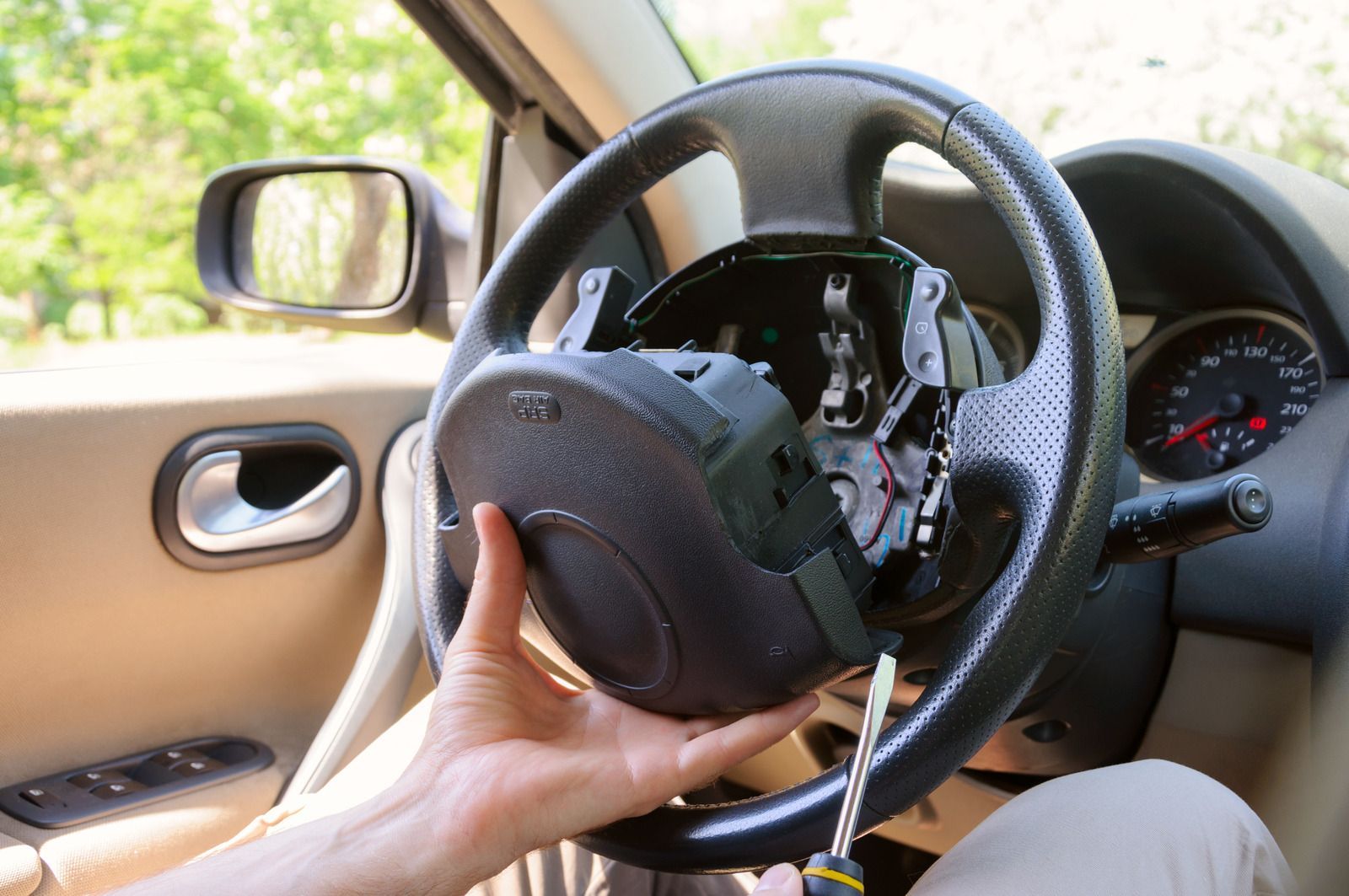
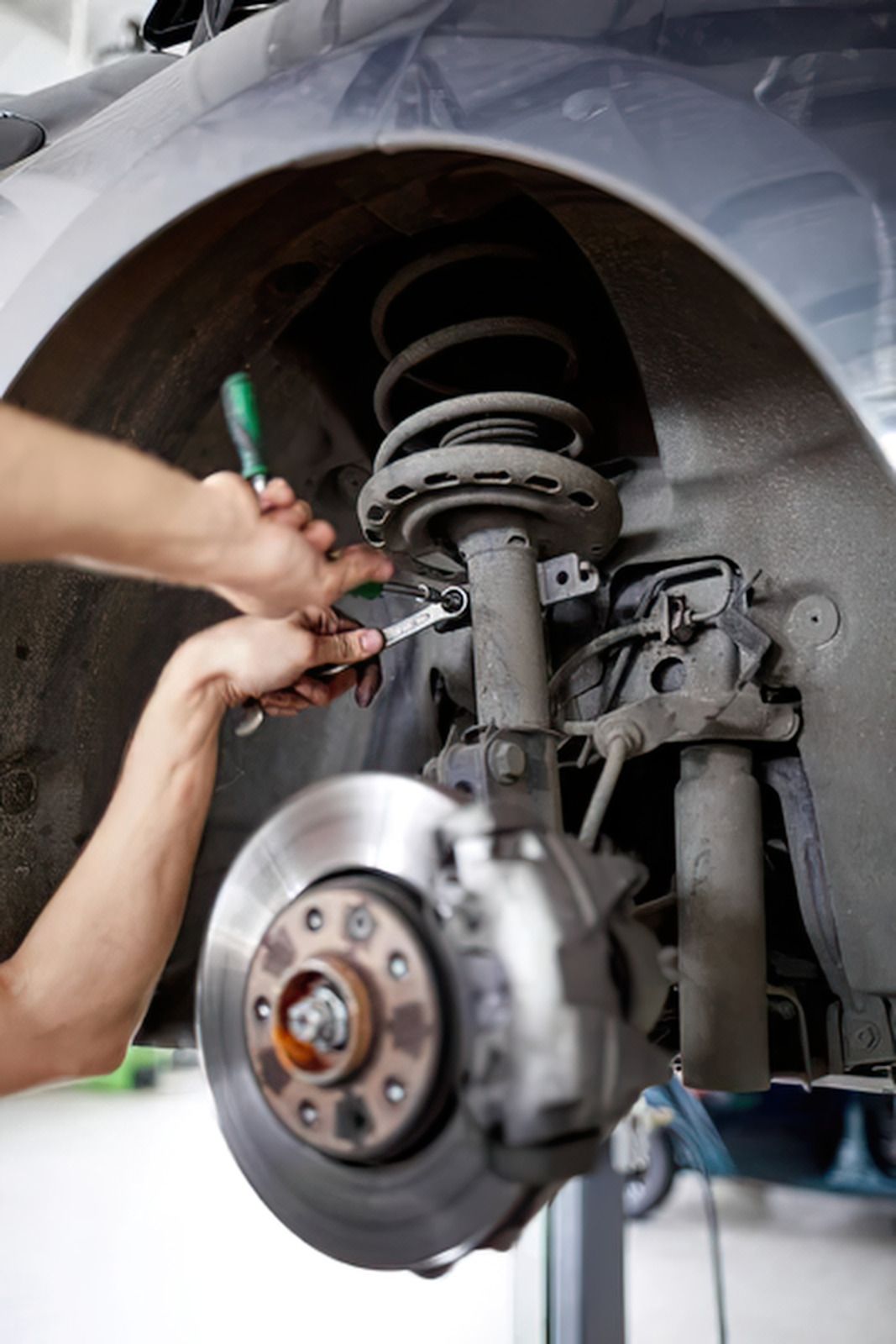
Vehicles do not get bouncy, sloppy or noisy on their own. Struts lose damping, bushings crack and let a control arm move where it should not, ball joints develop play, and a tie rod end wears until the steering wheel has slop in the middle. Every one of those changes how the vehicle sits, steers, and stops.
Gradual wear lets drivers adapt without noticing. We compare both sides, load the joints, and check the mounts, because a difference between left and right usually names the culprit before anything comes apart.
- Left and right compared side by side
- Struts and shocks tested under load
- Ball joints and tie rods checked
- Written estimate before parts are ordered
STEERING AND SUSPENSION REPAIR
THE PART THAT KEEPS THE TIRE ON THE ROAD.
Suspension does two jobs at once. It holds the tire against the pavement so the contact patch can do its work, and it keeps the body settled so you can steer with confidence. Struts, shocks, control arms, bushings, ball joints, and mounts share that load, while the steering linkage translates the wheel in your hands into direction. Our repairs cover every one of those components, front and rear, on domestic and import vehicles.
FREEWAY MERGES AND BROKEN PAVEMENT WEAR PARTS OUT.
Broken pavement, expansion joints, and patched lanes do most of the damage around Pomona, CA, and the 10, the 57, the 71 and the 210 all meet nearby, which loads this area with stop-and-go commuting miles. Constant load changes work bushings and joints harder than steady cruising, and suspension parts rarely reach the mileage a highway commuter might reasonably expect from the same part.
EVERY POTHOLE ON FOOTHILL HAS TAUGHT US SOMETHING.
Reading a suspension complaint is pattern recognition. A clunk over a driveway lip usually points at a strut mount or a control arm bushing; a clunk only during turns points somewhere else. Bounce that keeps going after a dip is a damping problem. 35 years of pulling these apart in the same valley has built a short list of usual suspects, and we still verify the part on the lift before recommending replacement.
WHY CHOOSE US FOR STEERING AND SUSPENSION REPAIR.
RIDE QUALITY YOU CAN FEEL AGAIN
Fresh damping settles the body after a dip instead of letting it float. Passengers notice first, usually on the same stretch of road that used to feel unsettled at speed.
TIRES THAT WEAR THE WAY THEY SHOULD
Tired joints and bushings let a wheel wander under load, and tread pays for it. Replacing them protects the tread you have left and the next set too.
STEERING THAT GOES WHERE YOU POINT IT
Slop in the middle of the wheel means constant small corrections on the freeway. Tightening the linkage returns a center you can trust, which matters most in traffic and crosswinds.
PARTS REPLACED IN THE RIGHT ORDER
Diagnosis comes before parts. A sloppy ball joint can mimic a dead strut, so we test each component separately and you pay for the part at fault, not the whole corner.
QUIET BACK OVER BUMPS AND DIPS
Clunks and rattles are the sound of something moving that should not. Once the failing bushing, joint or mount is replaced, the noise stops rather than getting quieter for a while.
EVERYTHING UNDER ONE ROOF
Related work often surfaces during a suspension repair, and alignment may need to be checked afterward. We handle those services in-house, so you are not driving your vehicle to a second shop.
WHAT WE REPAIR
OUR STEERING AND SUSPENSION WORK.
Steering and suspension share the same corners of the vehicle, so one complaint can start in either. Here is what we inspect, rebuild, and replace once the vehicle is up on the lift and loaded.
STRUT REPLACEMENT
Strut Replacement
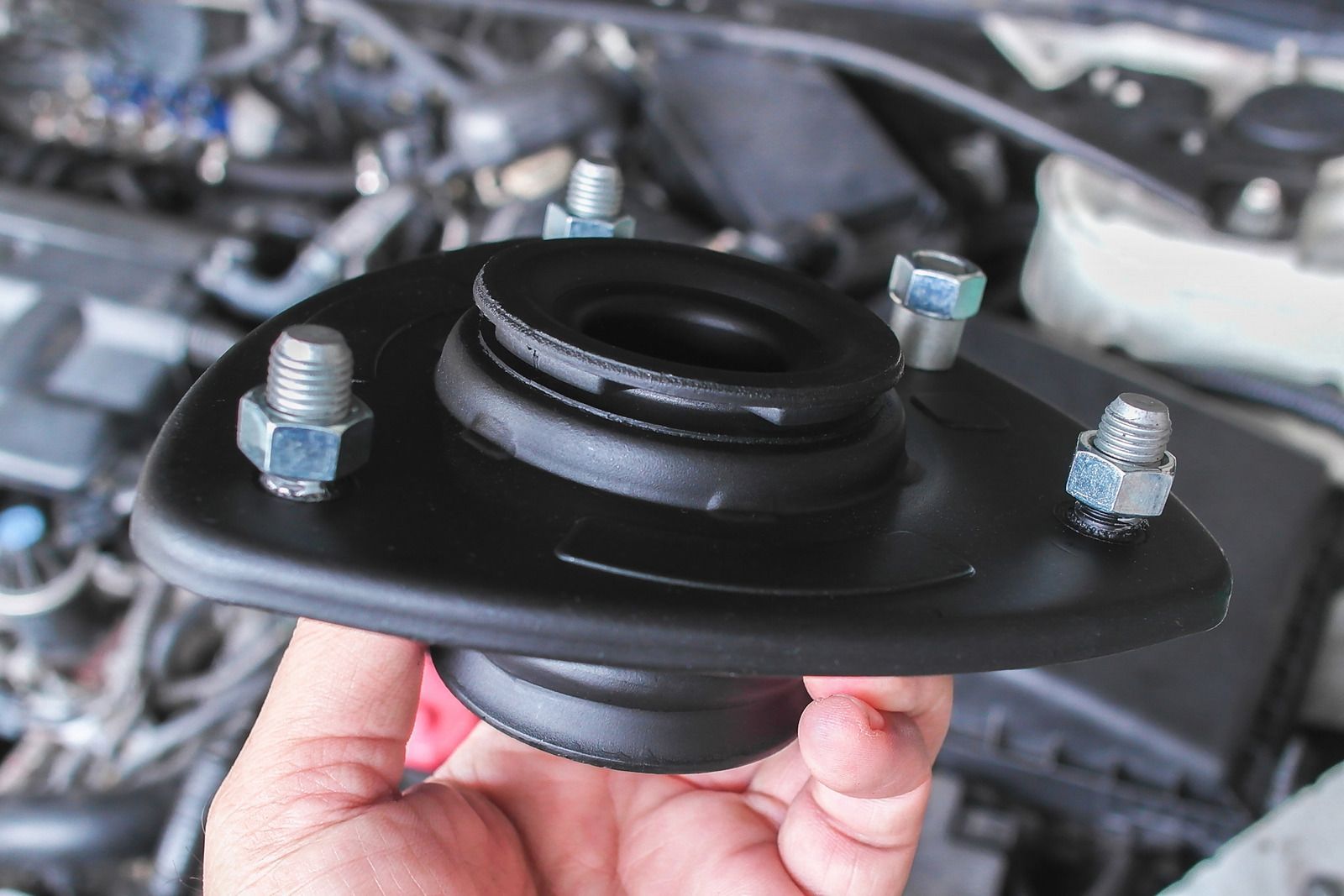
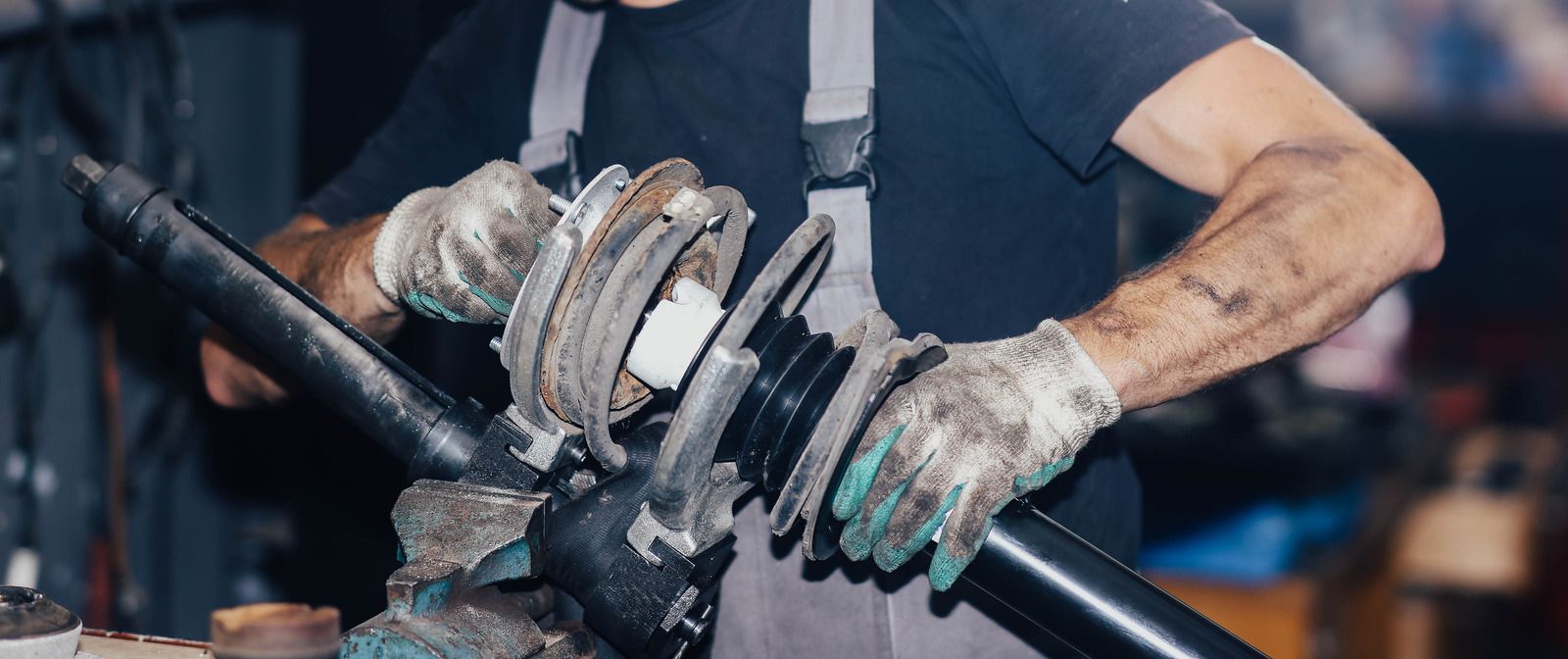
Struts combine damping with a structural mounting point, so a leaking or collapsed unit changes both ride and handling. We replace them in pairs across an axle and check the upper mounts and bearings.
SHOCK SERVICE
Shock Absorber Replacement
Shocks control how fast the body settles after a bump. Fluid loss shows up as a bounce that will not quit, and spent units get replaced together so both sides behave the same way.
CONTROL ARMS
Control Arm And Bushing Repair
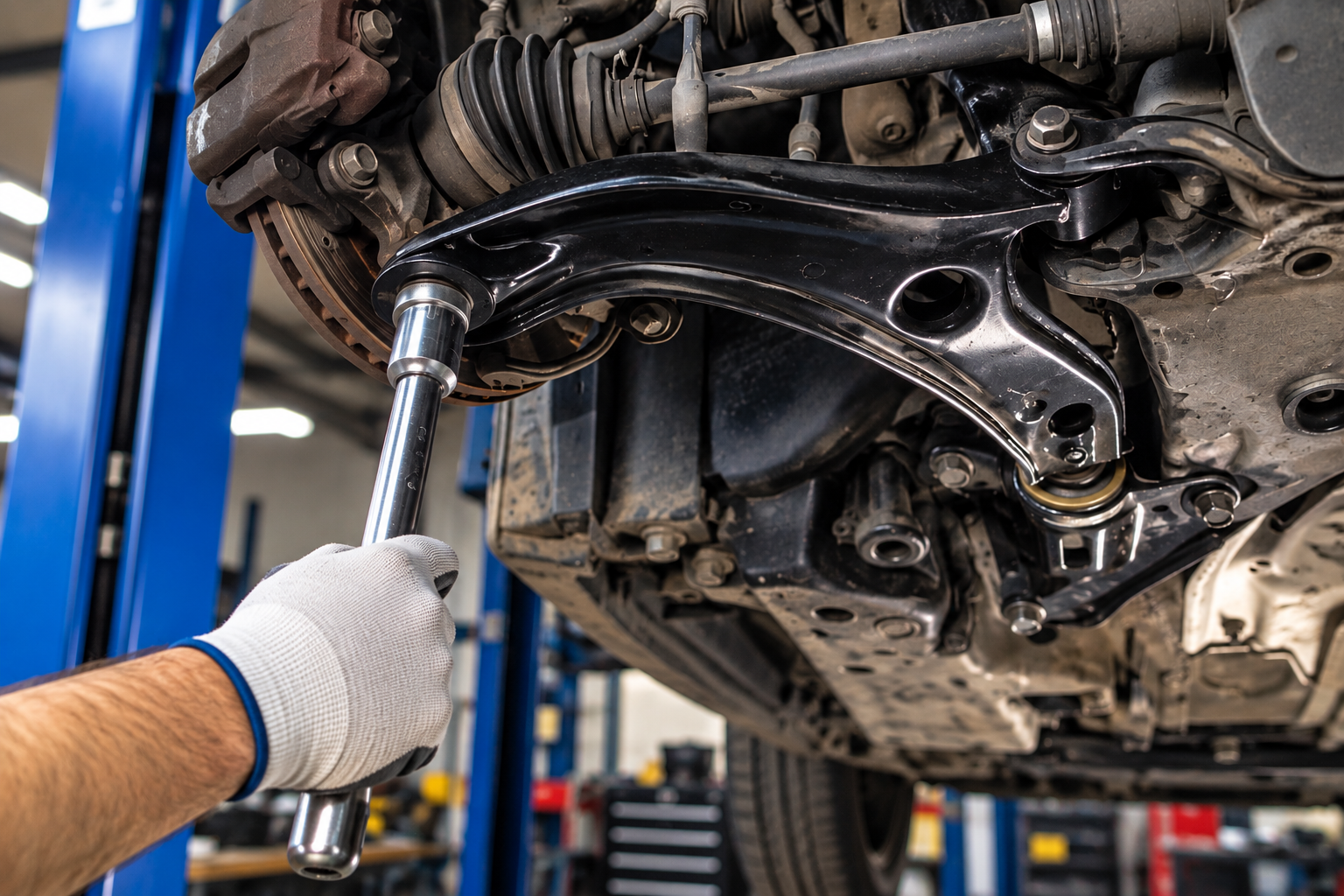
Control arms locate the wheel, and the bushings at each end absorb the shock of doing it. Cracked or crushed rubber lets the wheel shift under braking and cornering, which we correct with new components.
BALL JOINTS
Ball Joint Replacement
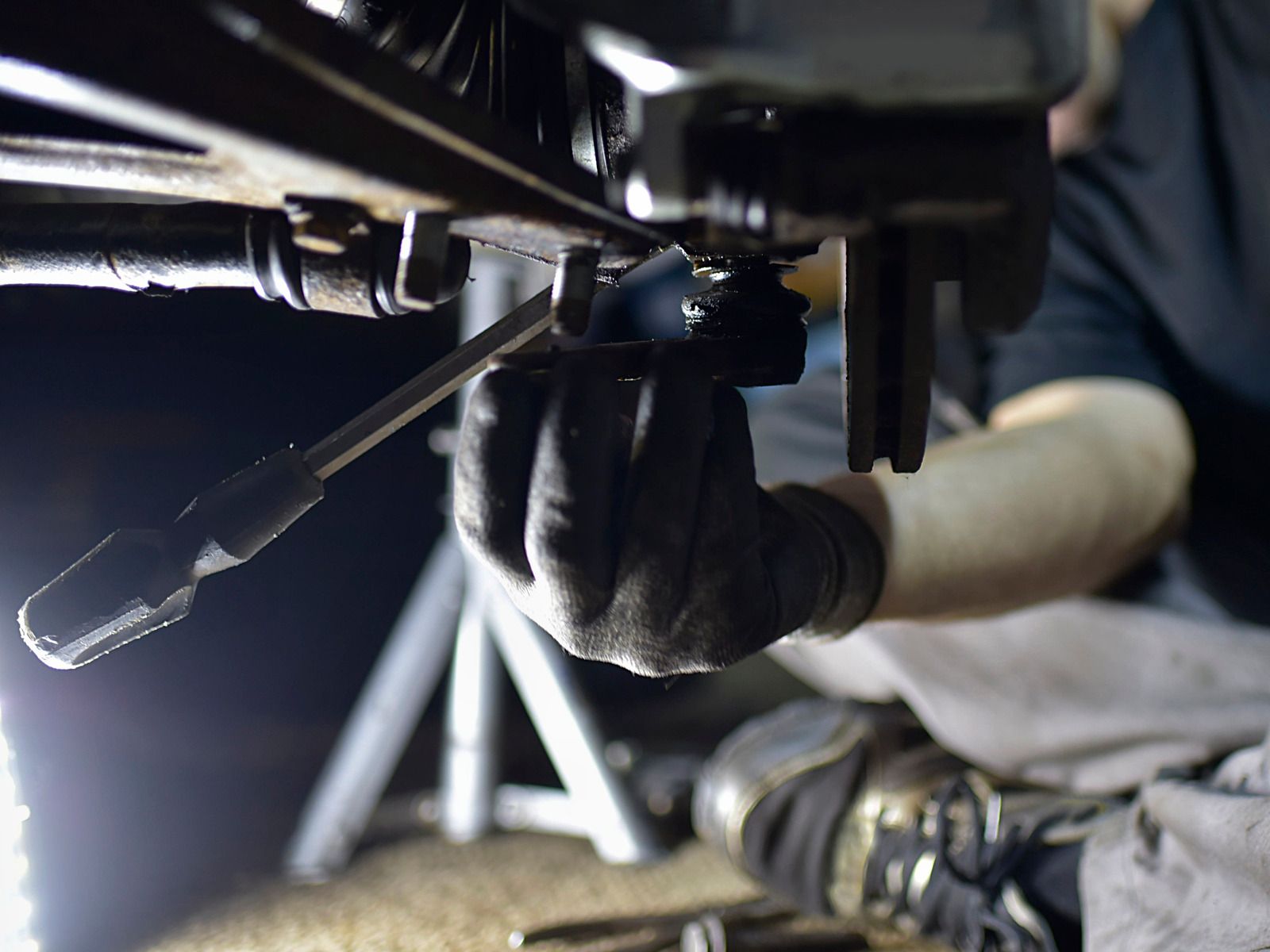
Ball joints let the wheel pivot and travel at the same time. We load each one and check for play, because a bad joint drifts from a clunk to a real safety concern quickly.
STEERING LINKAGE
Steering Linkage And Tie Rod Repair
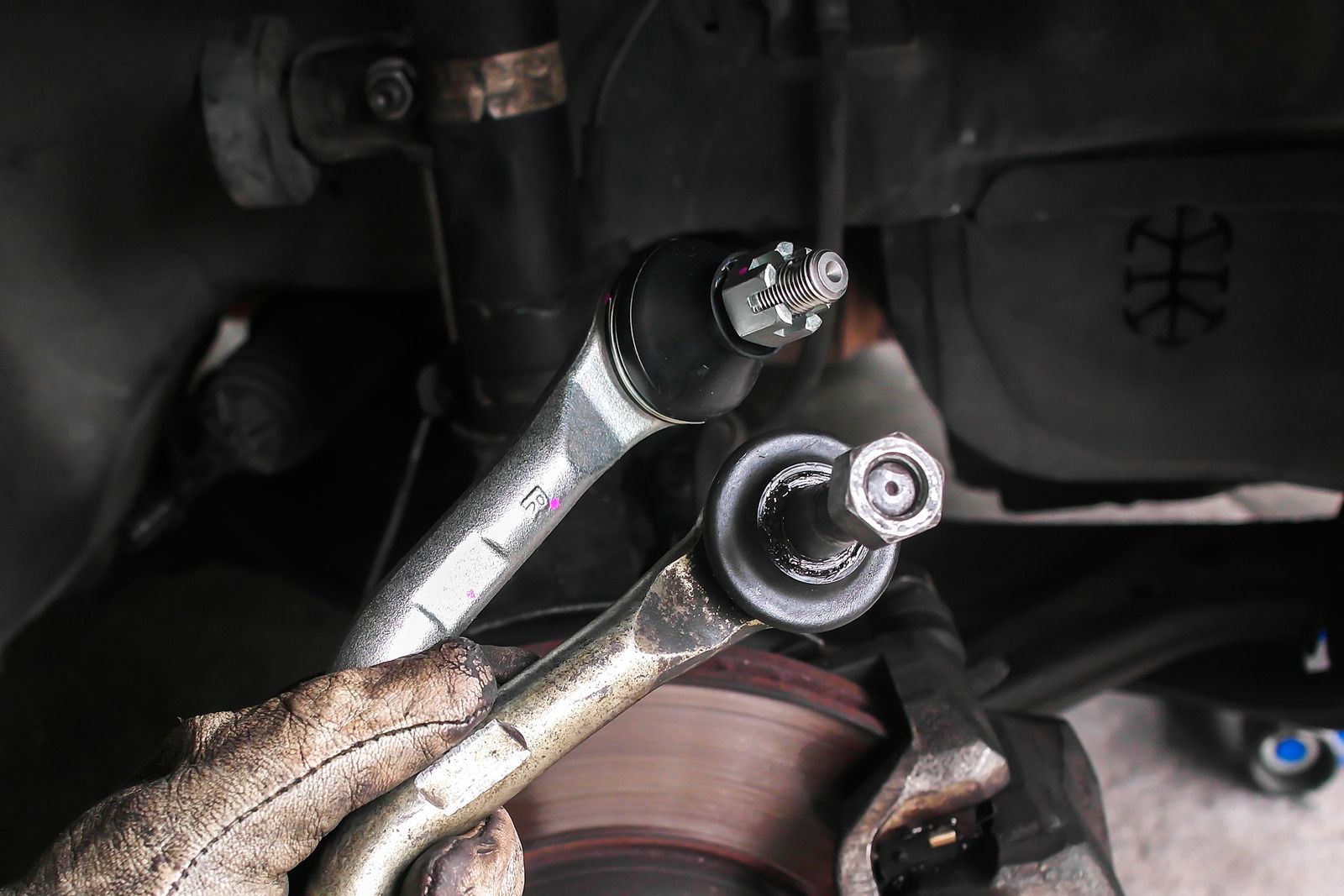
Tie rod ends, idler and pitman arms, and the rest of the linkage translate wheel movement into direction. Play anywhere in that chain shows up as slack at the center, and we replace the link at fault.
MOUNT INSPECTION
Suspension Mount And Pulling Diagnosis
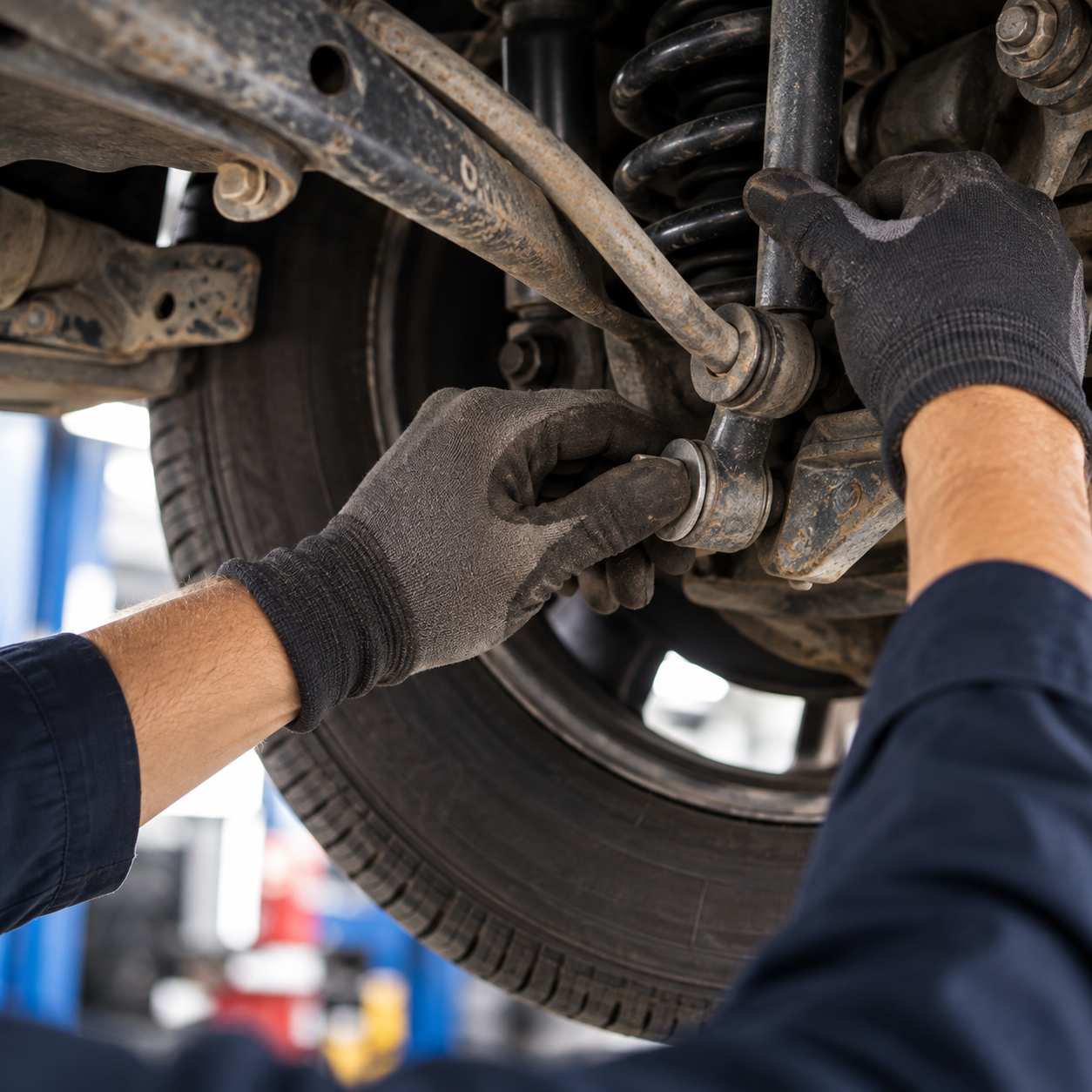
Pulling to one side and vibration often trace back to a failed mount, a flattened bushing or unequal suspension height. We inspect the mounts, compare both corners, and identify what is actually causing the pull.
THE WORD ON OUR WORK
WHAT OUR CLIENTS SAY.
Drivers mention the turnaround most: parts that landed in the morning went on that afternoon, and jobs came back ahead of the date we quoted. Several have said the ride felt settled again on the first trip home, which is the point of the work.
Common Questions
frequently asked
questions.
Complaints about ride and steering are easier to describe than to name, so most of these questions start with a sound or a feeling. Here is how we answer them at the counter.
How long do struts and shocks last?
Wear happens gradually rather than on a fixed date, so mileage alone is a poor guide to strut and shock life. Rough pavement, heavy loads, and stop-and-go driving shorten it. We check for fluid leaks, bounce, and uneven ride height on the lift.
Why does my car keep bouncing after a bump?
Bounce that continues after the bump is a damping problem. Shocks and struts are supposed to absorb that motion in one cycle, and when the fluid or valving is spent, the body keeps oscillating, and the tire loses grip.
What causes a clunking noise over bumps?
Clunking usually comes from a dried-out bushing, a failing ball joint or a slack strut mount. M & A Auto Care puts the vehicle on a lift in Pomona, CA and loads each joint until the noise repeats.
How do I know if a ball joint or tie rod is worn?
Play is the giveaway. With the wheel off the ground we grip and load each joint, watching for movement that should not be there. Tie rods show up as vague steering when they wear; ball joints show up as clunks.
What does worn suspension do to the rest of my vehicle?
Everything downstream pays. Uneven tread wear, longer stopping distances, more body roll in corners and extra load on steering components all follow from a suspension that no longer holds the tire flat on the pavement where it belongs.
Do shocks and struts have to be replaced in pairs?
Across an axle, yes. A new unit on one side and an old unit on the other gives you two different damping rates and a vehicle that reacts unevenly. M & A Auto Care replaces them in pairs in Pomona, CA.
Why does my steering feel loose or vague?
Loose steering usually means play somewhere in the linkage: tie rod ends, an idler arm, or a steering gear with internal wear. Suspension bushings and ball joints add to it, and each has to be checked separately before anything is replaced.
When is suspension work urgent rather than routine?
Separated or badly damaged ball joints, a broken mount, and any part with visible damage need attention right away, because failure changes how the vehicle steers. Soft damping and tired bushings are uncomfortable but can usually be scheduled.
HOW WE WORK
FROM COMPLAINT TO A SETTLED RIDE.
STEP 01
Map The Symptom To A Corner
Noise on turns, noise over bumps, a pull, a float, a wandering center: each points at a different area. We ask where it happens, at what speed, and whether it changes when the vehicle is loaded.
STEP 02
Inspect The Vehicle On The Ground
Ride height gets compared corner to corner, tread patterns get read for clues, and a bounce test at each fender shows how much damping is left before the vehicle is lifted or a single part is taken apart.
STEP 03
Load Every Joint On The Lift
With the weight off the wheels, each ball joint, tie rod end, bushing, and mount gets loaded by hand and with a pry bar. Movement that should not exist is exactly what this step is looking for.
STEP 04
Show You The Play We Found
You get the findings before the estimate: which joint moved, how much, and what it is doing to the ride. Nothing gets ordered until you have seen the part in question and told us to go ahead.
STEP 05
Replace And Torque At Ride Height
Bushings and control arms get torqued with the suspension at ride height, not hanging, so the rubber is not preloaded in the wrong position. Fasteners go to specification with a calibrated torque wrench every single time.
STEP 06
Test Drive And Recheck Alignment
Finally the vehicle goes back on the road for noise, tracking, and ride quality. Suspension work changes geometry, so alignment may need to be checked afterward, and we confirm the fasteners once more before you leave.