Engine Repair & Diagnostics
ENGINE REPAIR AND DIAGNOSTICS in Pomona, CA
Pomona sits where the 10, the 57, the 71 and the 210 meet, so most local engines log heavy miles in stop-and-go commuting. That duty cycle wears ignition parts, sensors, and gaskets in a specific order. M & A Auto Care handles engine repair and diagnostics in Pomona, CA, from check engine lights and stored trouble codes to misfires, hesitation, oil leaks, and high-mileage inspections. Modern diagnostic equipment tells us where to test, and testing tells us what to repair.
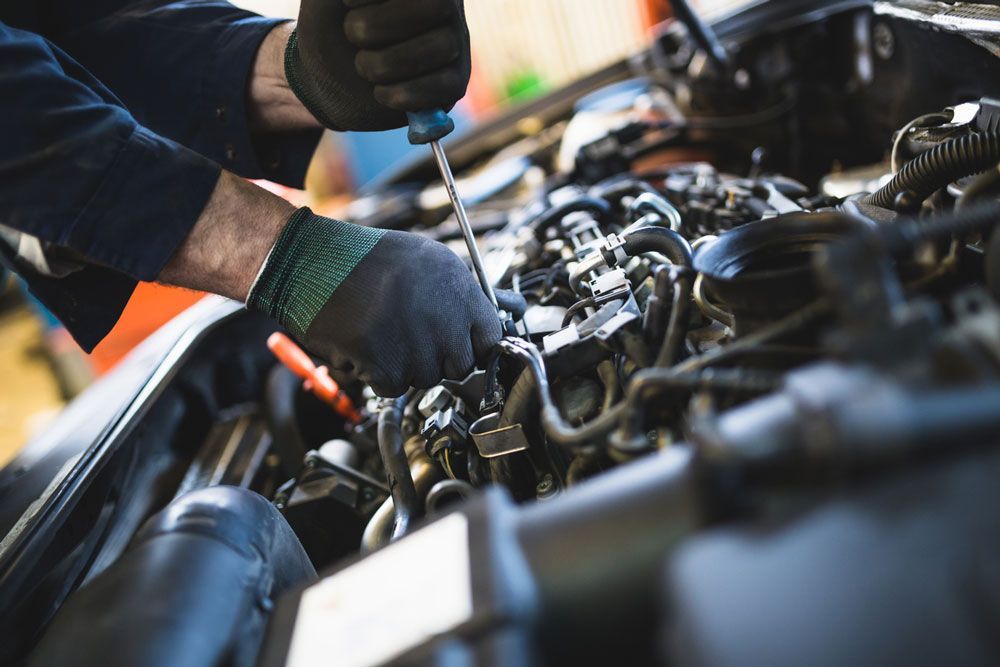
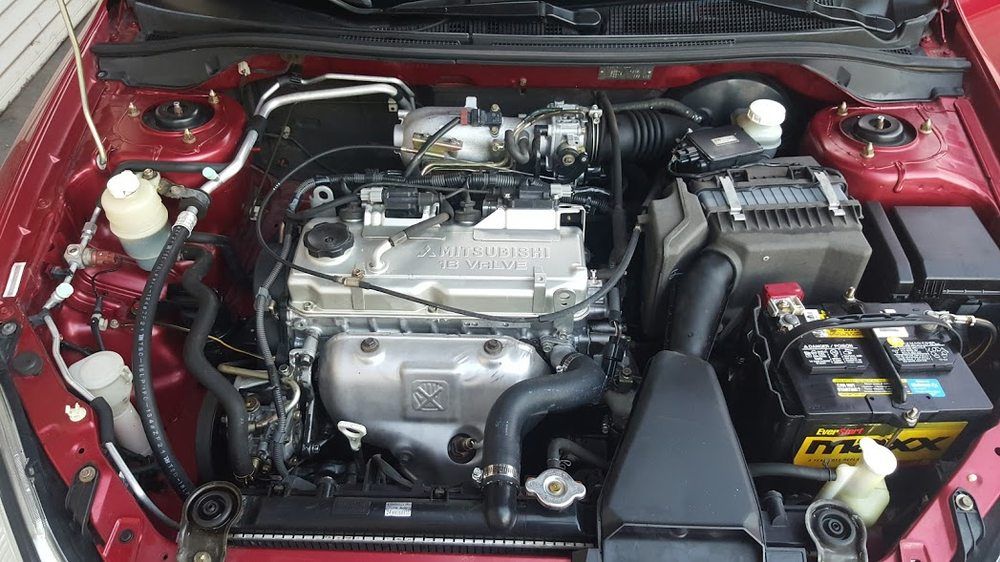
EVERY REPAIR HERE STARTS WITH A MEASUREMENT.
Your vehicle's computer sets a code when a reading drifts outside the range the manufacturer programmed. That code names a circuit, not a failed part. A lean condition can come from a vacuum leak, a tired fuel pump or a dirty mass airflow sensor. We test each possibility against live data before quoting any repair, because replacing the wrong component solves nothing.
Every finding gets explained in plain terms before any work is approved. You learn what failed, what caused it, how urgent it is, and what happens if the repair waits until your next paycheck.
- Live data checked against factory ranges
- Findings explained before any approval
- Free estimates on engine diagnostic work
- Repairs matched to the confirmed fault
ENGINE REPAIR AND DIAGNOSTICS
WE FIND THE FAULT BEFORE WE REPLACE THE PART.
Scanning a vehicle takes minutes. Proving which component failed takes bench testing, wiring checks, fuel trim review, and sometimes a drive with the scan tool recording. Our technicians work through that sequence on drivability complaints, misfires, stalling, hard starting, and warning lights that come and go. Component repair follows the test result, whether the answer is a sensor, a gasket, a vacuum line or a connector that corroded quietly under the hood.
STOP-AND-GO MILES AGE AN ENGINE DIFFERENTLY.
Freeway merges, surface-street lights, and long idles put heat into an engine bay. August averages a daily high near 92 degrees here, and the hot stretch runs about 3 months with highs above 87 degrees. Rubber hardens, gaskets shrink, and heat-soaked sensors start reporting values that do not match reality. We see the same failures cluster in local vehicles, so we know where to look first.
A CODE IS WHERE WE START, NOT WHERE WE STOP.
Across 35 years of engine work we have watched the same code point at different parts in different vehicles. A misfire code on one engine is a leaking injector; on the next it is a burnt valve, a vacuum leak or a wiring harness rubbed through on a bracket. That history shapes how we test. We start at the code, then follow the circuit until the evidence agrees, and only then do we recommend a repair.
WHY CHOOSE US FOR ENGINE REPAIR AND DIAGNOSTICS.
TESTING BEFORE PARTS
Guessing costs you twice. Every recommendation on your invoice traces back to a measured result, so you pay for the component that actually failed instead of a parts-swapping experiment.
A WRITTEN ESTIMATE FIRST
State law here requires a written estimate and your authorization before work begins, and nothing gets added later without your consent. You approve the number before a wrench moves.
PLAIN ENGLISH ANSWERS
You hear what failed, why it failed, and what it will take to fix, without jargon or pressure. Ask to see the worn part and we will show you.
NATIONWIDE WARRANTY COVERAGE
Most products we install carry a nationwide warranty of 2 years or 24,000 miles, so an engine repair done here still protects you on a trip far from home.
CASH PAYERS SAVE 4%
A 4% discount applies when you pay with cash, which matters on diagnostic work that turns into a larger repair. Ask about cash pricing while your estimate is being written.
FINANCING FOR LARGER REPAIRS
Financing options are available when an engine repair lands at an inconvenient time. A vehicle you rely on daily does not have to sit while you wait for a better week.
WHAT WE FIX
OUR ENGINE DIAGNOSTIC AND REPAIR WORK.
Engine complaints arrive as symptoms: a light, a shudder, a smell, a noise. Each one gets a defined test path, and the repair that follows stays inside what the evidence supports. Here is the work we handle.

WARNING LIGHTS
Check Engine Light Diagnostics
A steady light and a flashing light mean different things, and a flashing one means stop driving. We pull stored and pending codes, read freeze frame data, and test the circuit the code identifies before recommending anything.
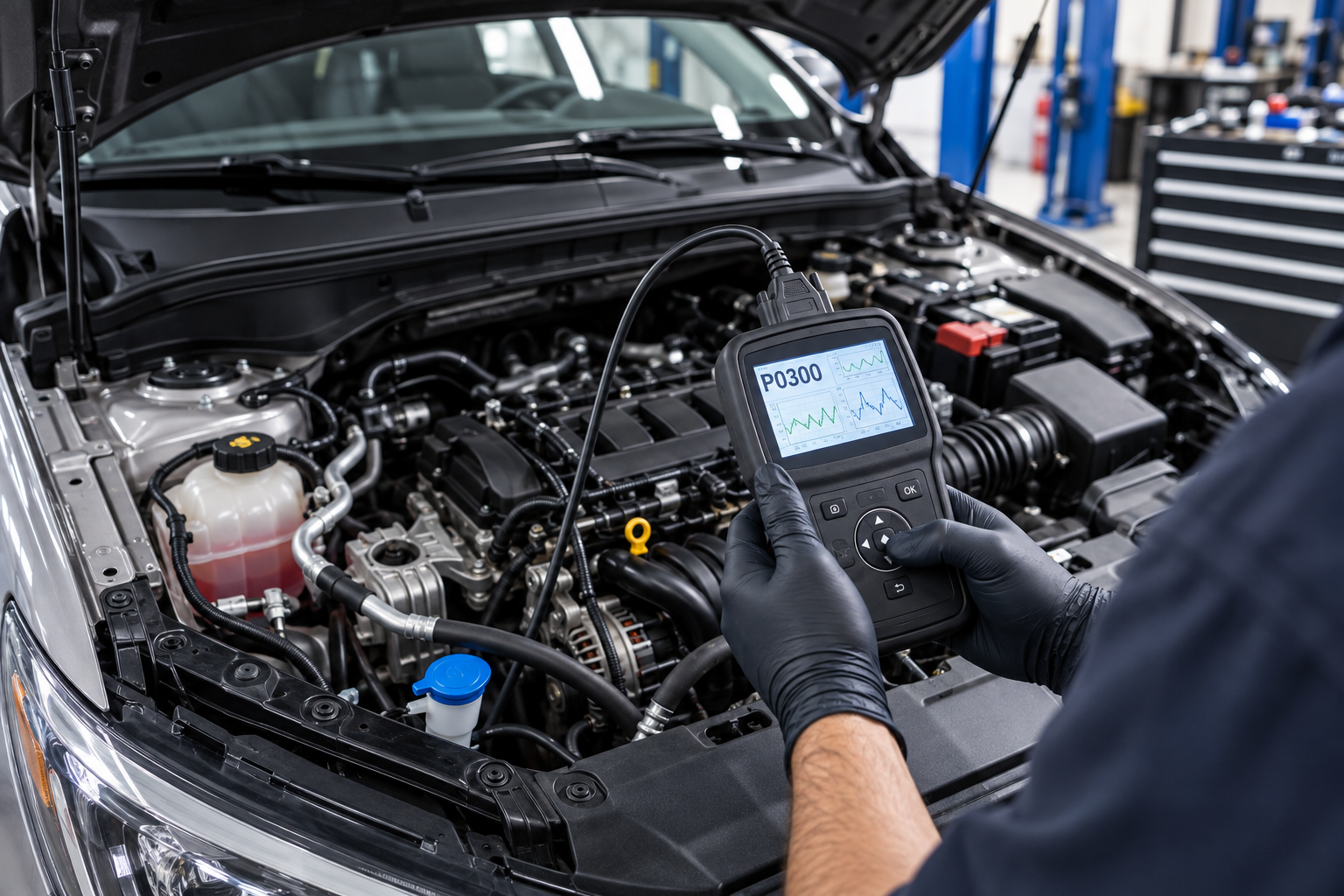
MISFIRE TESTING
Misfire and Rough Idle Diagnosis
Shaking at a stoplight, a stumble under load or a cylinder that drops out points to spark, fuel or compression. We isolate which one by cylinder, then measure it rather than assuming the usual suspect.
SENSOR WORK
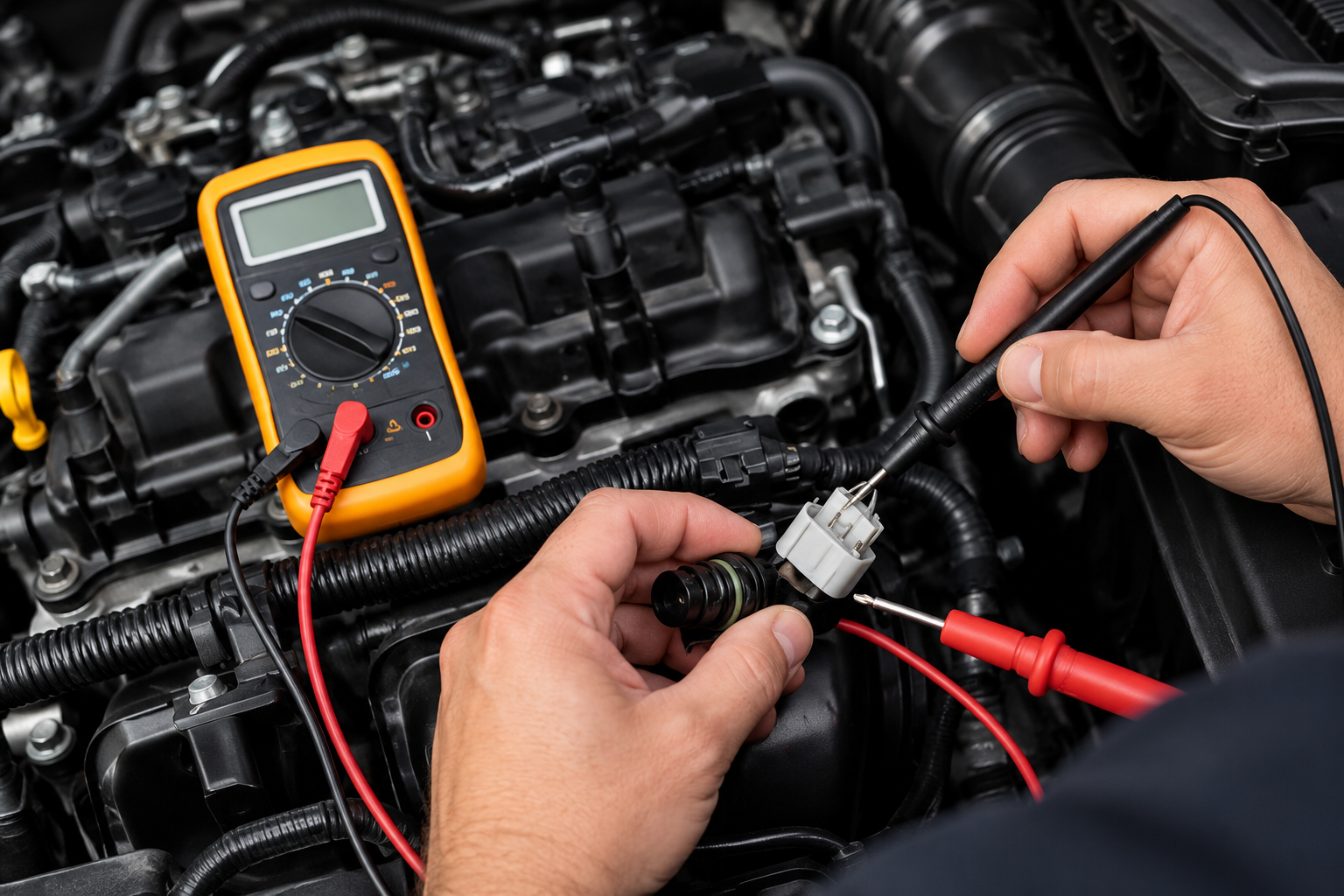
Engine Sensor Testing and Replacement
Oxygen sensors, mass airflow sensors, crankshaft, and camshaft position sensors and coolant temperature sensors all feed the computer. A sensor reporting a plausible but wrong value causes drivability trouble, so we compare readings against factory specifications.
LEAK TRACING
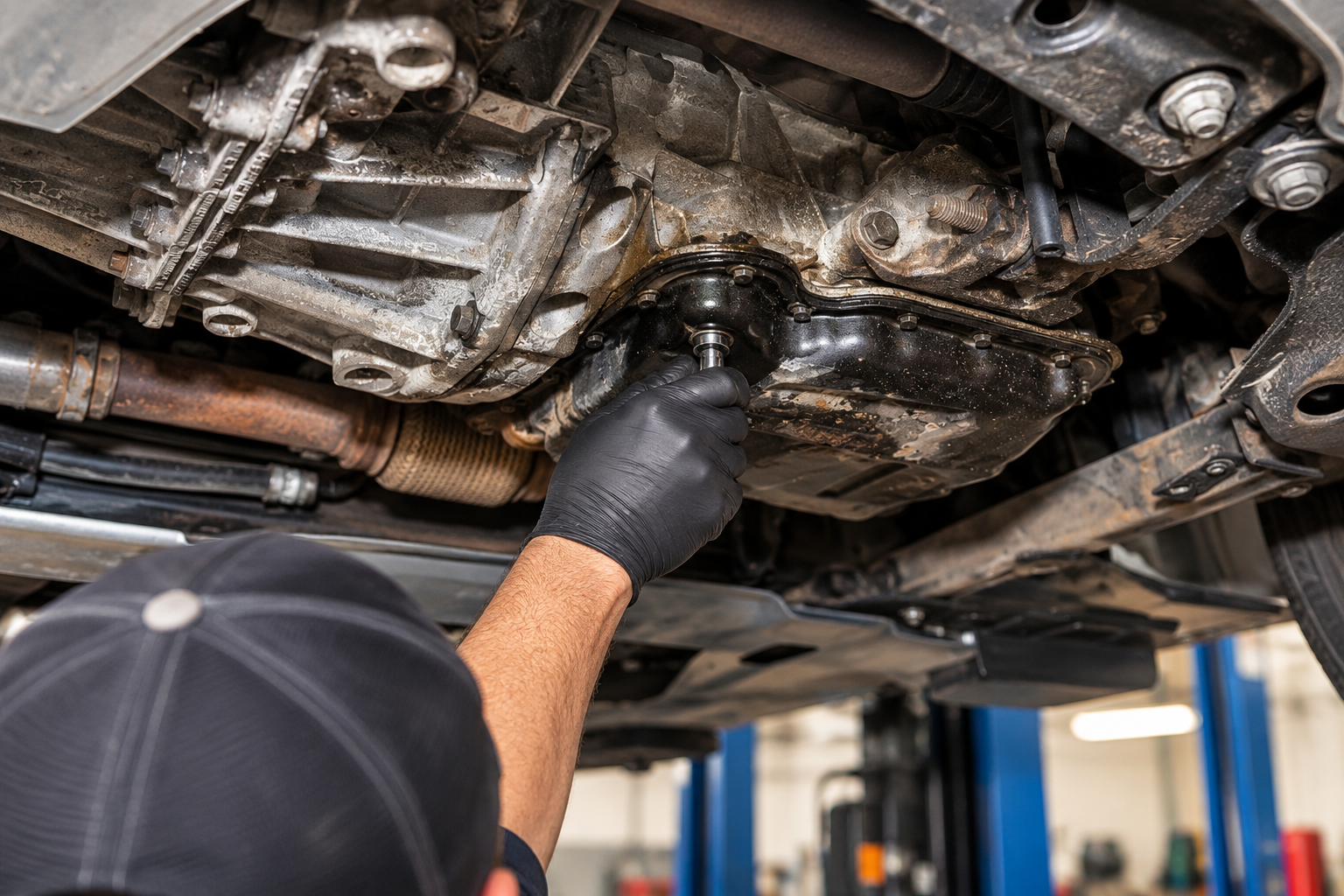
Under-Hood Oil and Fluid Leak Diagnosis
Oil on a driveway rarely marks where it left the engine. We clean the area, run the engine, and follow the trail back to a valve cover gasket, a seal, a cooler line or a housing.
COMPONENT REPAIR
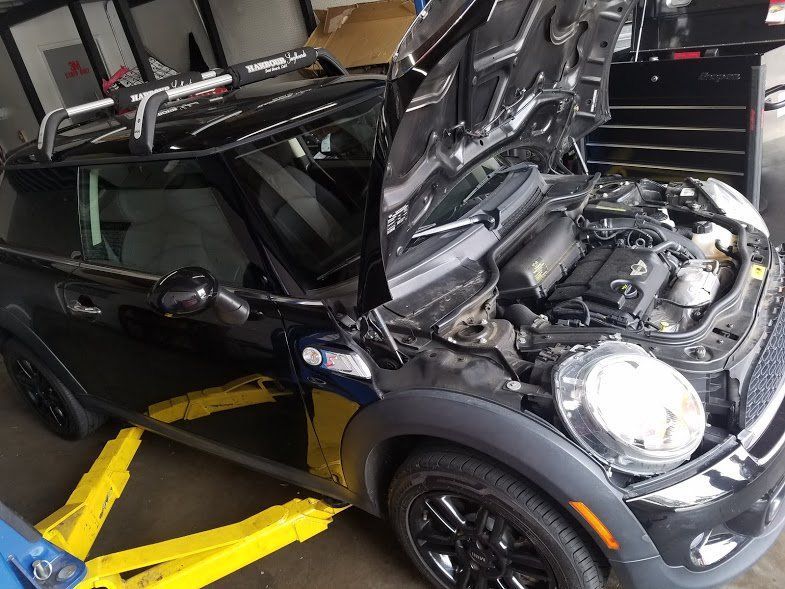
Engine Component Repair
Once testing names the failed part, repair work follows manufacturer procedure and torque specifications. Gaskets, seals, sensors, mounts, pulleys, and cooler lines get replaced with parts matched to your engine, not to a generic listing.
MILEAGE INSPECTION
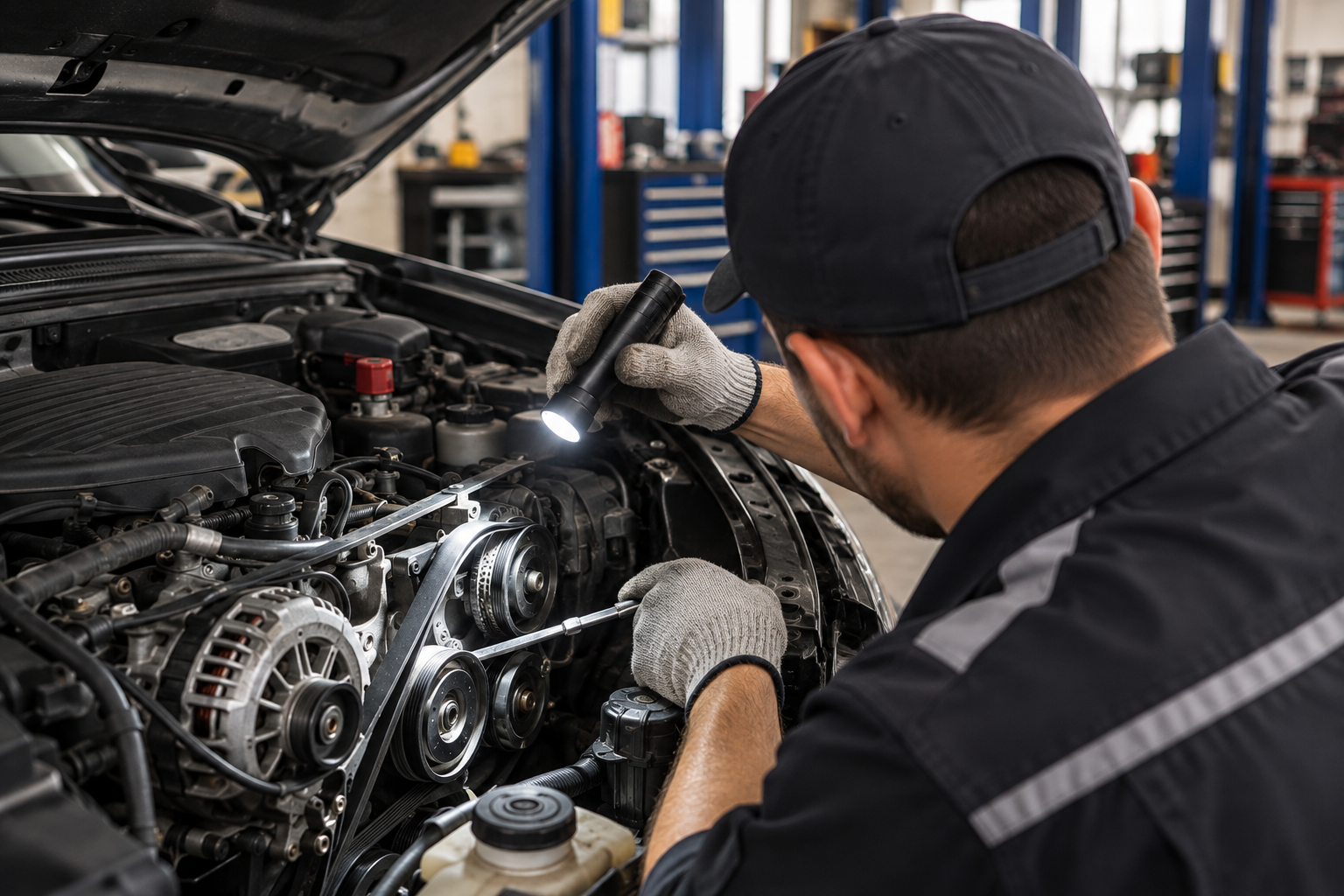
High-Mileage Engine Inspections
Past 75,000 miles an engine deserves a closer look. We check compression health, oil condition, gasket surfaces, belt-driven accessories, and cooling components, then tell you which items are wearing and which can wait.
THE WORD ON OUR WORK
WHAT OUR CLIENTS SAY.
Drivers tell us parts ordered in the morning went on the same day, and that finished work beat the date on the estimate. Others mention being told an expensive repair was not needed yet. Honest findings and quick turnaround are what keep engine customers coming back.
Common Questions
frequently asked
questions.
Engine questions come in the same shapes every week. Here are the answers we give most often about misfires, leaks, noises, warning lights, and whether a high-mileage engine is worth the repair.
What does it mean when my engine misfires?
Misfire means a cylinder is not burning its air and fuel charge. Causes include weak spark, a fuel delivery fault, a vacuum leak or low compression in that cylinder. Testing identifies which cylinder and which system, so the repair addresses the real fault.
Why does my engine idle roughly at a stoplight?
Rough idle usually traces to an unmetered air leak, a dirty throttle body, an ignition fault on one cylinder or a sensor sending bad data at low load. We watch live values while the engine idles to find the culprit.
Why does my car hesitate when I press the accelerator?
Hesitation on acceleration points to fuel delivery, ignition or airflow measurement. A clogged filter, a failing pump, a weak spark event or a fouled airflow sensor all produce the same stumble, so we measure fuel trim and pressure under load.
How do you find an oil leak under the hood?
Cleaning the area first is the only reliable method, because oil travels along a running engine before it drips. M & A Auto Care in Pomona, CA uses dye and inspection lighting to trace the source to a gasket, seal or line.
What do ticking, knocking or whining engine noises mean?
Noise character and timing narrow the list quickly. Ticking that follows engine speed often involves valvetrain or exhaust leakage, knocking under load suggests deeper internal wear, and whining usually comes from a belt-driven accessory bearing rather than the engine itself.
Is a high-mileage engine worth repairing?
Often yes, if the rest of the vehicle is sound and the fault is a component rather than internal damage. M & A Auto Care inspects high-mileage engines in Pomona, CA and gives you a straight comparison before you spend anything.
What can modern diagnostic equipment actually read?
Scan tools read stored, pending, and history codes, live sensor values, fuel trim, misfire counters, freeze frame snapshots, and recorded operating conditions. That data shows what the computer saw when the fault happened, which is where real testing begins.
What happens if I keep driving with the check engine light on?
Ignoring the light lets a small fault damage expensive parts. A flashing light in particular signals raw fuel reaching the exhaust, and continued driving risks converter damage. Getting the code tested early keeps a cheap repair from becoming a large one.
HOW WE WORK
HOW AN ENGINE PROBLEM GETS SOLVED HERE.
STEP 01
Listen To The Symptom
You describe when the problem shows up: cold start, highway speed, hard acceleration, after refueling. That detail narrows the test path faster than any scan tool, so the conversation happens before the vehicle goes on a lift.
STEP 02
Pull And Record The Codes
Stored, pending, and history codes get retrieved along with freeze frame data, so we know what the computer measured at the moment the fault set. Nothing is cleared until the record is captured and reviewed against the symptom you described.
STEP 03
Test The Named Circuit
Codes point at a circuit, so we measure it: sensor output, wiring integrity, ground quality, fuel pressure, vacuum, spark or compression, depending on what the code and the symptom together suggest. Measurement replaces assumption at this stage.
STEP 04
Write The Estimate For Approval
Findings and a written estimate come to you before any repair starts, which is what state rules require and what we would want ourselves. Approve it, adjust it, or take it home and think about it.
STEP 05
Repair The Confirmed Fault
Replacement parts match your engine, and assembly follows manufacturer torque and sequence specifications. Related items that failed alongside the main component are shown to you first, so an approved estimate never grows quietly without your consent.
STEP 06
Verify The Repair On The Road
Clearing a code is not proof. We drive the vehicle under the conditions that triggered the complaint, watch live data while it runs, and confirm the fault stays gone before handing back your keys and closing the ticket.