
Car Battery Testing & Replacement
CAR BATTERY TESTING AND REPLACEMENT IN Pomona, CA
Batteries commonly last 3 to 5 years, and once one passes 3 years it deserves a test every year rather than a guess. M & A Auto Care handles car battery testing and replacement in Pomona, CA: load and cold cranking amps testing, terminal and cable service, corrosion cleanup, battery selection for your vehicle, and replacement in under 30 minutes with the old battery taken back for recycling. Estimates are free, and every finding gets explained before anything is approved.
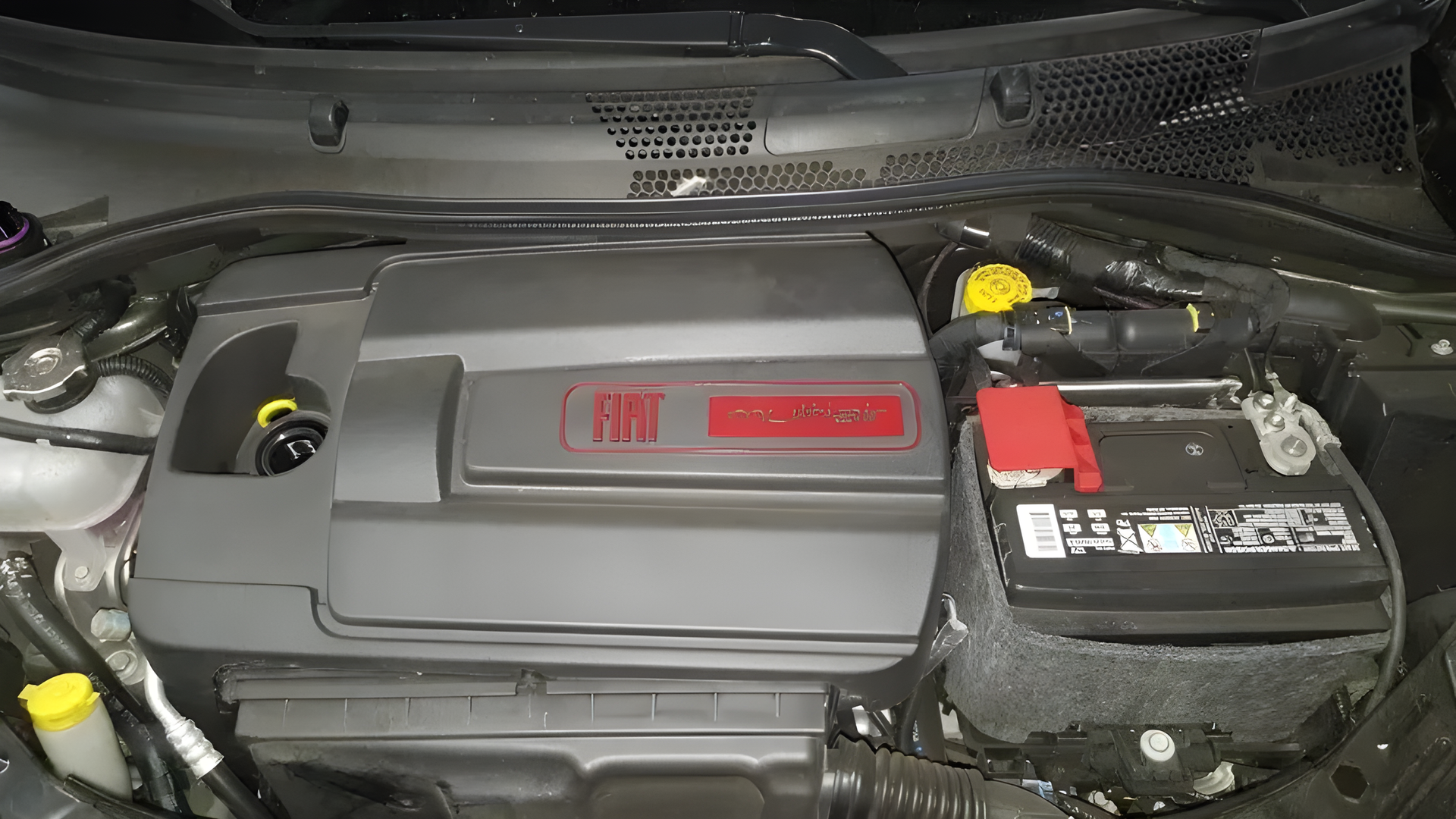
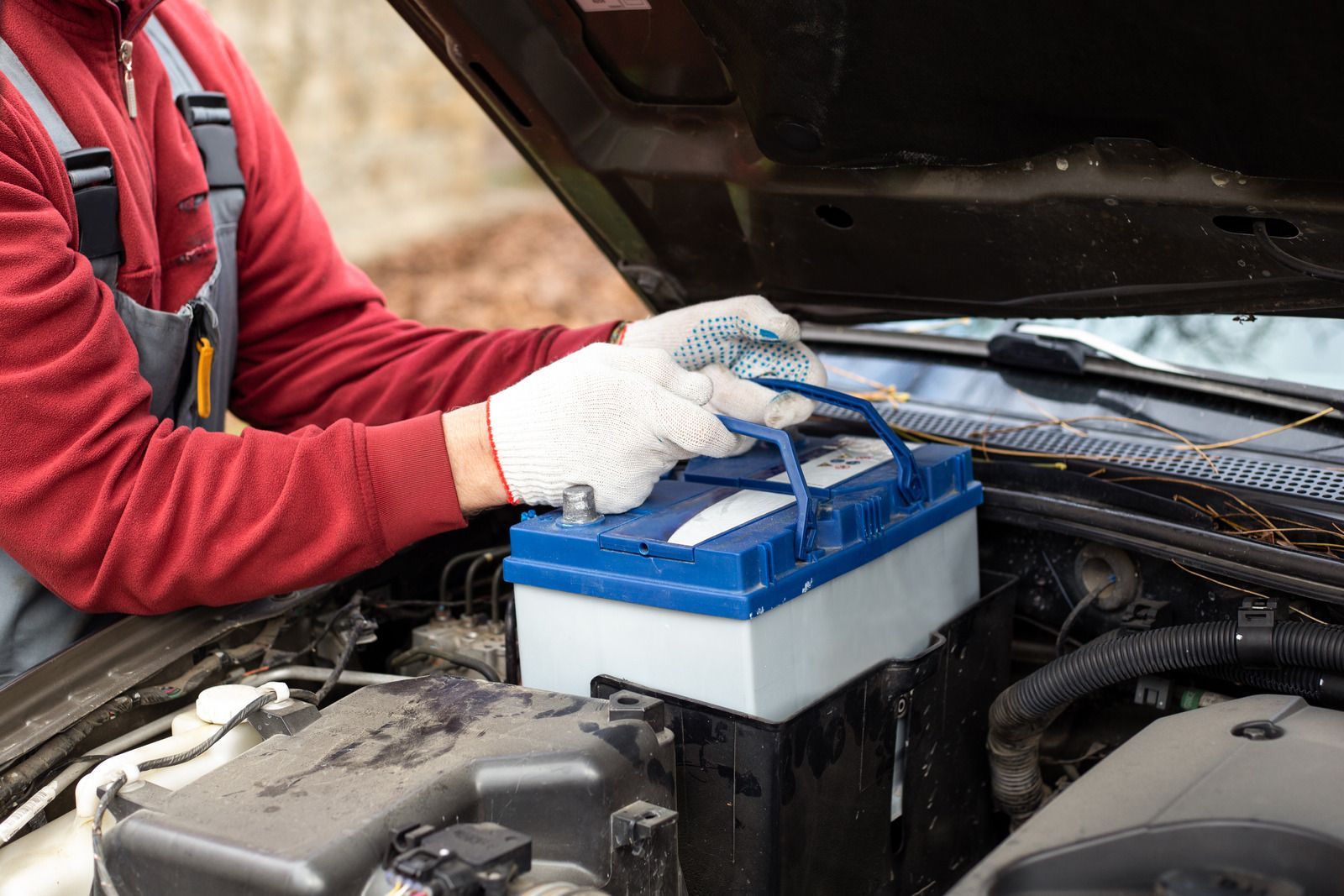
TESTING TELLS YOU MORE THAN AGE DOES.
Age is a rough guide, not a verdict. Some batteries fade at 3 years and some crank strongly at 6, so the only honest measure is a load test that compares actual output against the cold cranking amps printed on the label. State of charge, surface charge, terminal resistance, and how fast voltage recovers after cranking all get recorded.
You get the numbers before you get a recommendation. If your battery still has life left, we say so and if it does not, replacement takes under 30 minutes on most vehicles.
- Load testing against rated CCA
- Terminals and cables cleaned properly
- Replacement in under 30 minutes
- Old battery accepted for recycling
CAR BATTERY TESTING AND REPLACEMENT
THE LABEL ON TOP TELLS US WHAT TO EXPECT.
Group size, terminal layout, and cold cranking amps are printed on every battery for a reason, and matching all three to your vehicle matters more than brand loyalty. Too little cranking capacity leaves you stranded on a December morning, when local nights average near 44 degrees. Too much physical size will not clamp down safely. Our technicians pull the manufacturer specification for your vehicle, then fit a battery that meets or exceeds it.
HEAT IS WHAT ACTUALLY KILLS BATTERIES HERE.
Cold gets the blame, but heat does the damage. August averages a daily high near 92 degrees in Pomona, and the hot stretch runs about 3 months above 87 degrees, which accelerates the grid corrosion and electrolyte loss that shorten battery life. The failure usually shows up months later, on the first cool morning, when a weakened battery no longer has the reserve to turn a cold engine over.
REPLACING THE BATTERY IS SOMETIMES THE WRONG ANSWER.
In 35 years of battery work, plenty of vehicles have arrived here for a replacement and left with clean terminals, a tightened cable, and the original battery still under the hood. Others tested fine and had a charging fault or a draw somewhere else. Selling a battery is easy, so testing first is the part that protects you, and that is the order every visit here follows, without exception.
WHY CHOOSE US FOR CAR BATTERY TESTING AND REPLACEMENT.
THE TEST COMES FIRST
Nobody here sells you a battery before measuring the one you have. Load results, state of charge, and terminal resistance decide the recommendation, and sometimes the recommendation is to keep it.
BACK ON THE ROAD QUICKLY
Battery replacement takes under 30 minutes on most vehicles, so a dead-battery morning does not have to cost you a whole day of driving, working, and rescheduling around it.
THE CORRECT BATTERY FOR YOUR VEHICLE
Terminal position, group size, and cold cranking amps get matched to your manufacturer specification, because a battery that physically fits is not automatically the battery your engine actually needs.
THE STATE FEE EXPLAINED UP FRONT
California charges a $2 lead-acid battery fee on every replacement battery sold. You see that line on your estimate before you approve it, with no surprise additions afterward on the invoice.
YOUR OLD BATTERY HANDLED PROPERLY
Retailers in California must accept the old battery for recycling, and yours is taken back here at the counter. Nothing toxic goes home with you in the trunk of your car.
WARRANTY THAT FOLLOWS THE VEHICLE
Most products installed here carry a nationwide warranty of 2 years or 24,000 miles, which matters on a part you rely on every single morning to start your day.
WHAT WE TEST AND REPLACE
OUR CAR BATTERY WORK.
Every visit starts with measurement and ends with a battery you can trust, whether that is the one already in your vehicle or a new one fitted to your manufacturer specification. Here is what that covers.
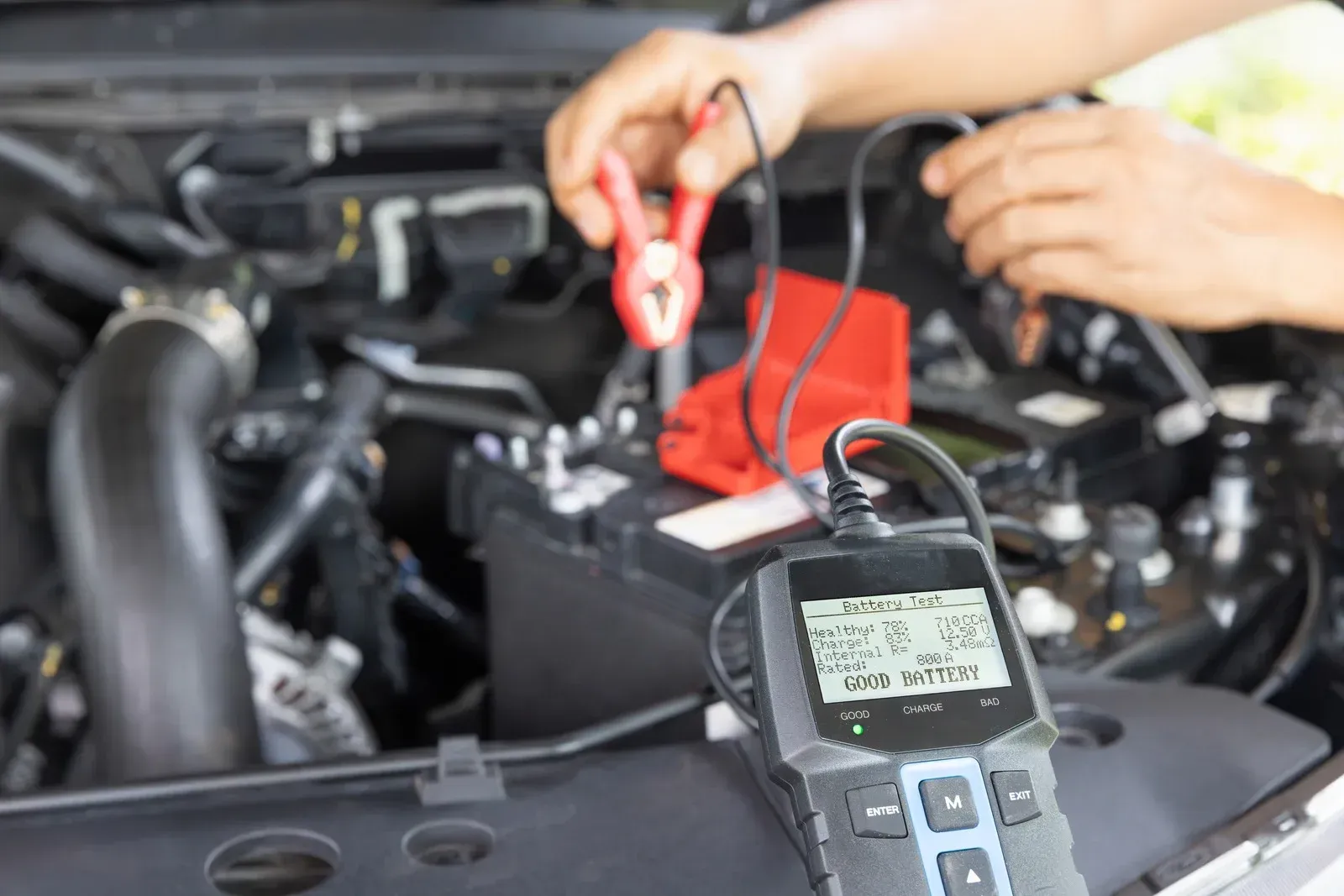
LOAD TESTING
Battery Load And Health Testing
Voltage at rest, voltage under a full cranking load, recovery time, and measured cold cranking amps against the rating on the label give a clear picture of what your battery has left in it.
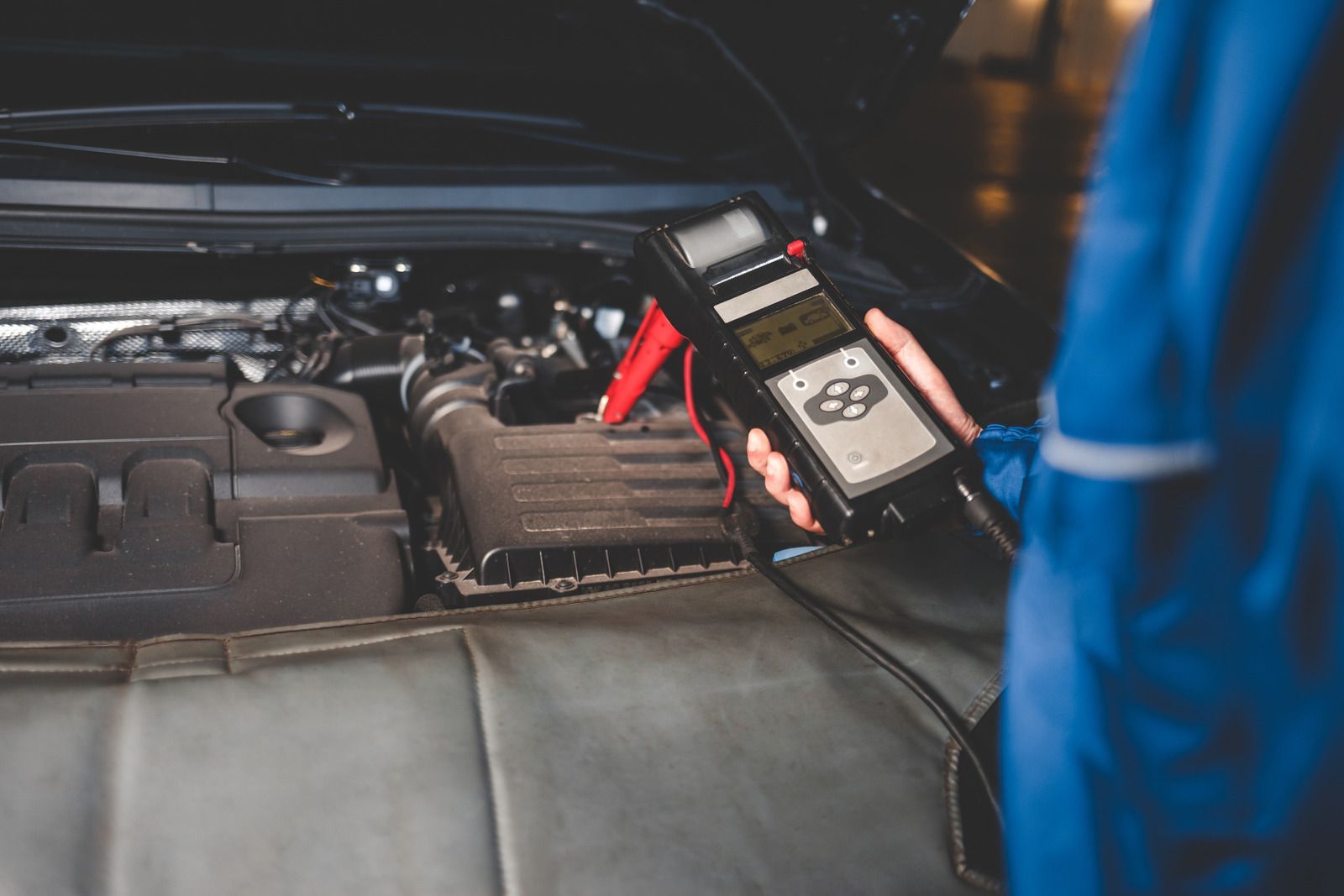
ANNUAL CHECK
Yearly Testing After 3 Years
Once a battery passes 3 years, a yearly test turns a surprise into a schedule. Capacity fades gradually, and catching that fade lets you plan a replacement instead of discovering it in a parking lot.
TERMINAL SERVICE
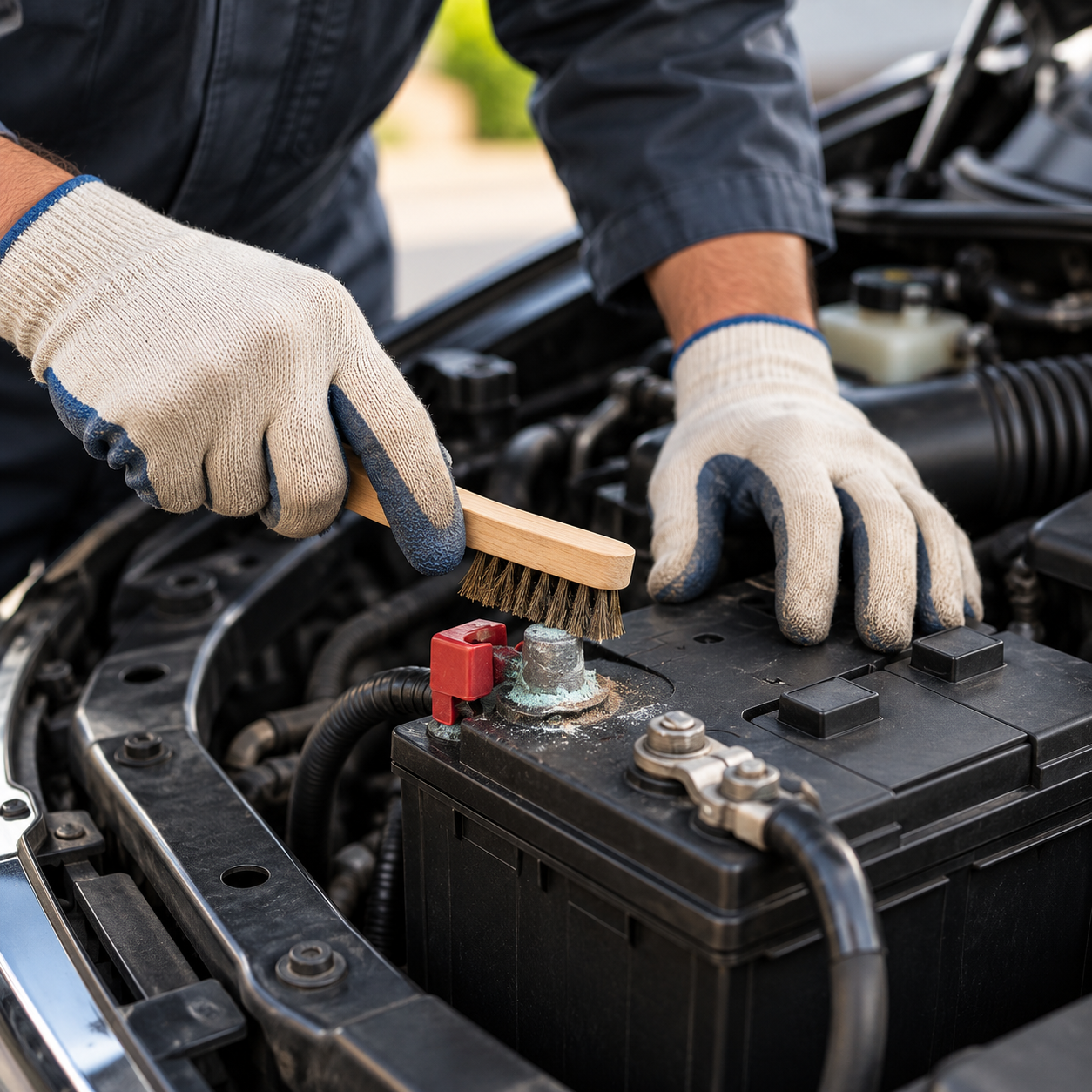
Terminal And Cable Cleaning
White or blue crust on a post adds resistance, and resistance mimics a dead battery. Posts, clamps, and cable ends get cleaned, inspected for damage, torqued correctly, and protected against the corrosion returning.
QUICK SWAP
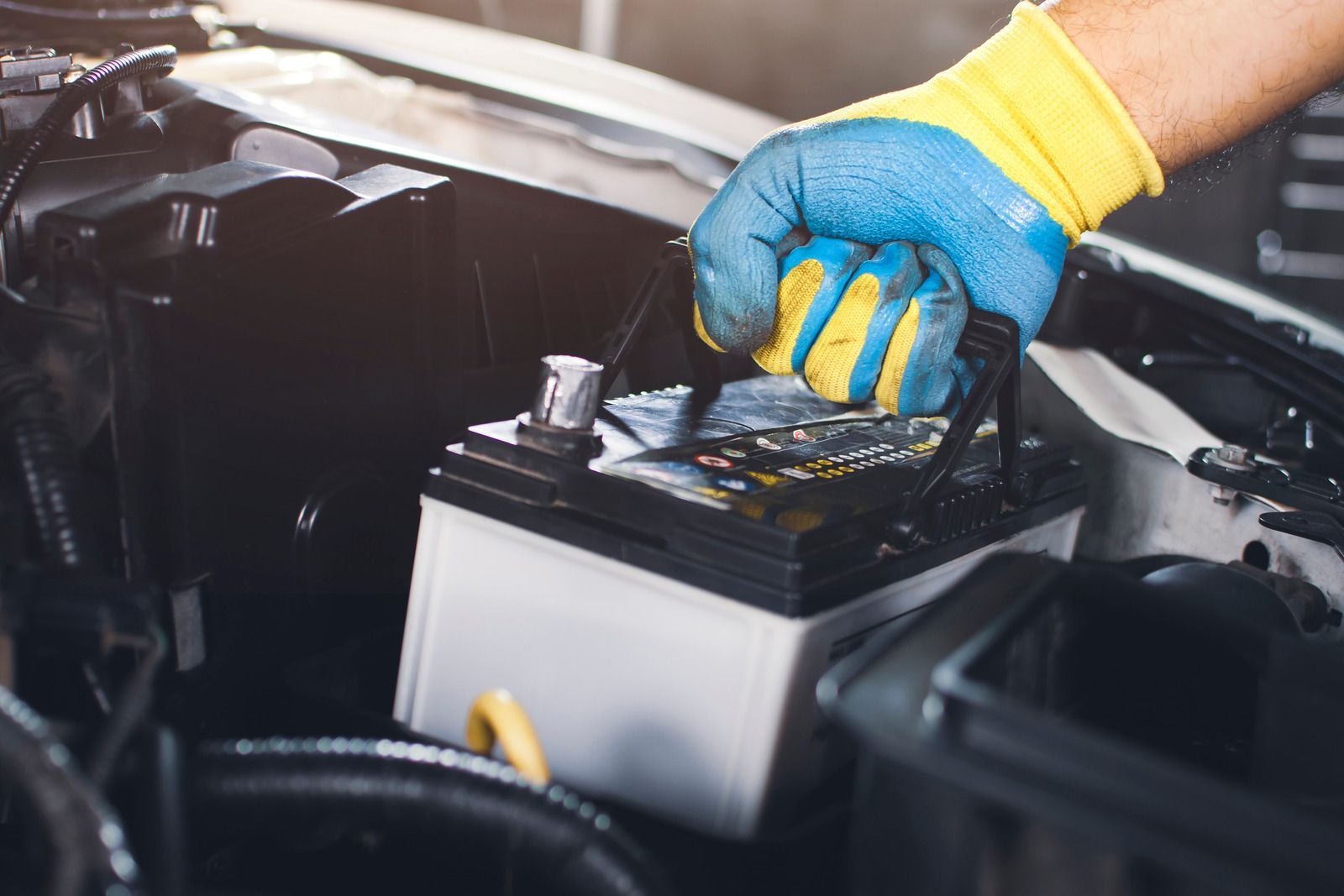
Battery Replacement Under 30 Minutes
Replacements are usually finished in under 30 minutes, including hold-down hardware, correct torque on the clamps, and any memory-saving step your vehicle requires so radio and window settings survive the swap without a reset.
FITMENT MATCH
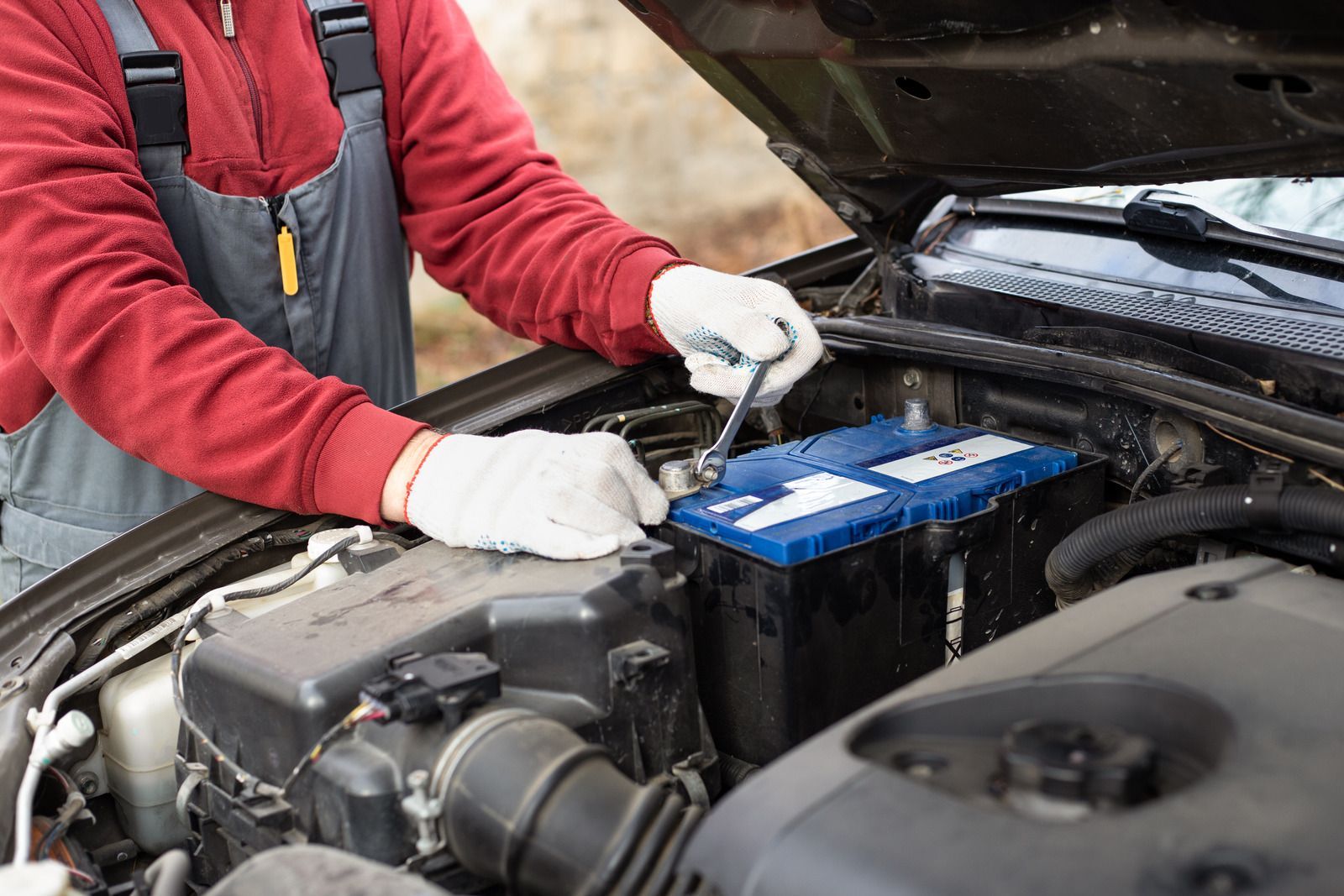
Choosing The Right Replacement Battery
Cranking amps, group size, terminal orientation, and reserve capacity all come from your manufacturer specification rather than a shelf display. Getting all four right is what makes the next 3 to 5 years uneventful.
CORE RETURN
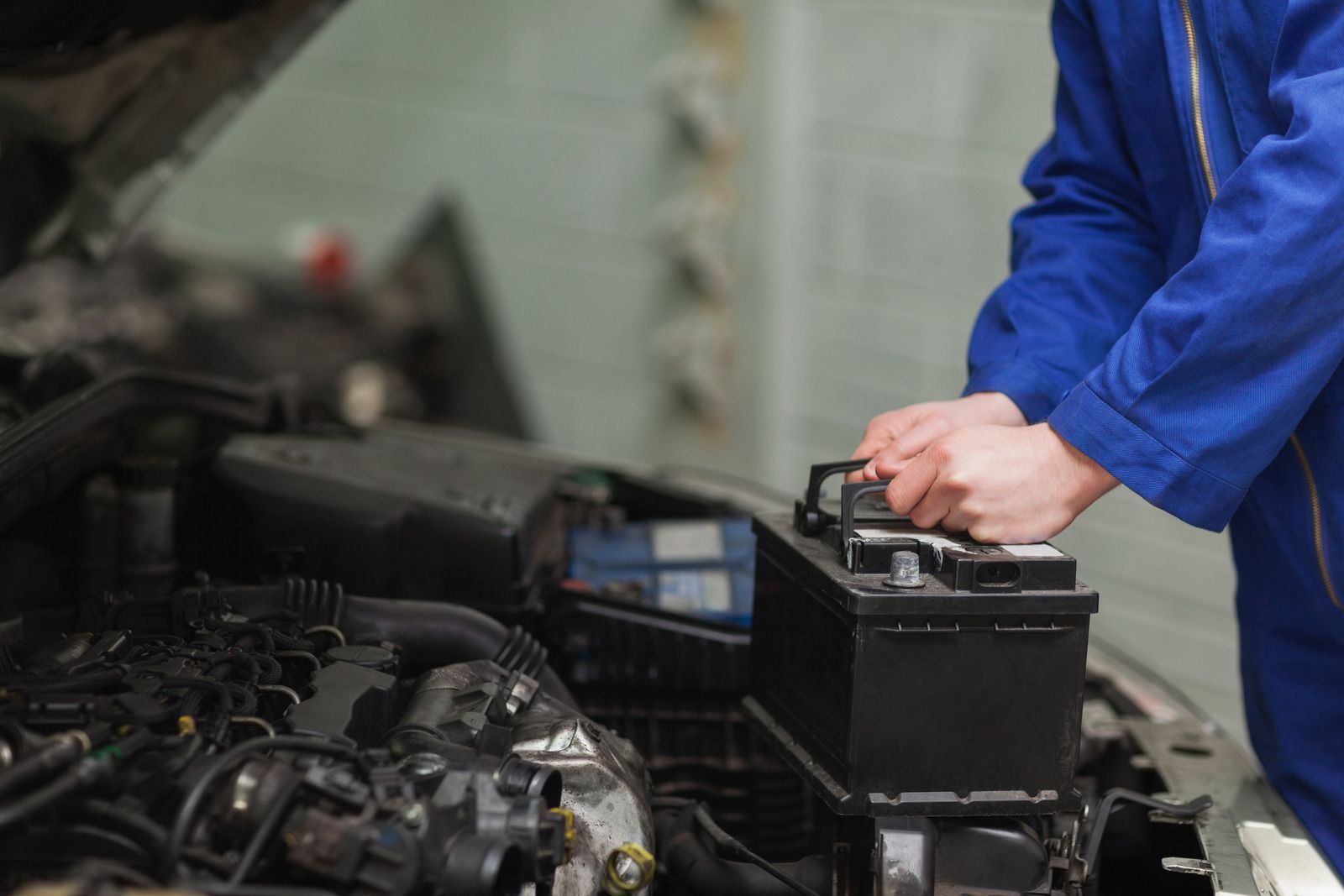
Old Battery Recycling And Core Return
State law requires retailers to take back the old lead-acid battery for recycling, and a $2 fee applies to every replacement battery sold. Both get handled at the counter, with the fee shown on your estimate.
THE WORD ON OUR WORK
WHAT OUR CLIENTS SAY.
Reviews from local drivers mention quick turnaround more than anything else: parts that arrived in the morning went on the same day, and work wrapped up ahead of the promised date. Several also mention being told that a repair was not needed yet after all.
Common Questions
frequently asked
questions.
Questions about batteries come up fast, usually on a morning that already went wrong. These answers cover lifespan, ratings, corrosion, testing, choosing a replacement, and what happens to the one you turn in.
How long does a car battery last?
Typical service life runs 3 to 5 years, though heat, short trips, and deep discharges shorten it considerably. Once a battery passes 3 years, yearly testing is the only reliable way to know how much capacity is actually left.
What does CCA mean on a battery?
CCA stands for cold cranking amps, the current a battery can deliver in cold conditions while holding usable voltage. It is the number that matters most, because a battery's hardest job happens in the first seconds of a cold start.
What causes the white crust on my battery terminals?
Corrosion forms where acid vapor and moisture meet metal at the posts, and it adds resistance that can mimic a failing battery. Cleaning the posts and clamps, then torquing and protecting them, often restores normal cranking speed right away.
Should I test a battery that still starts the car?
Yes, because capacity fades long before a battery finally refuses to crank. M & A Auto Care tests batteries in Pomona, CA once a battery passes 3 years, so you find out on your schedule rather than in a parking lot.
How do I choose the right replacement battery?
Match the group size, terminal orientation, reserve capacity, and cold cranking amps your manufacturer specifies. A larger number is not automatically better if the case will not clamp down or the posts sit on the wrong side of the tray.
What happens to my old battery after replacement?
It goes back for recycling, which California requires retailers to accept. M & A Auto Care takes the old lead-acid battery at the counter in Pomona, CA and the $2 state battery fee appears on your written estimate beforehand.
Does extreme heat shorten battery life?
Heat is harder on a battery than cold. High underhood temperatures speed up grid corrosion and evaporate electrolyte, which permanently reduces capacity. The weakness usually shows up later, on the first cold morning, when cranking demand suddenly rises.
Does needing a jump start mean my battery is bad?
Not necessarily. A jump only proves the battery was too low to crank, not why. Testing afterward separates a battery that has lost capacity from a charging fault, a parasitic draw or a simple case of lights left on overnight.
HOW WE WORK
HOW A BATTERY VISIT GOES.
STEP 01
Hear The Full Symptom
Describe what the vehicle did: a slow lazy crank, a single click, dash lights that dim, or a car that started fine yesterday and nothing today. That description narrows what gets tested first and shortens the whole visit.
STEP 02
Check Charge And Connections
Surface charge gets removed, resting voltage is recorded, and the posts, clamps, and cable ends are inspected for corrosion or looseness before any load is applied. A loose or corroded connection can fake a failing battery very convincingly.
STEP 03
Load Test The Battery
Measured output under a full cranking load gets compared against the cold cranking amps printed on the label, along with how quickly voltage recovers afterward. Those numbers, not the age on the case, decide what happens next.
STEP 04
Rule Out The Charging System
A battery that failed for a reason will fail again, so alternator output and parasitic draw get checked before a replacement is recommended. Fixing the cause is what keeps a new battery healthy long after the visit.
STEP 05
Present Results And Options
Test numbers and a free written estimate come to you before anything is replaced, including the battery choice, the $2 state fee and the full warranty terms. Approval happens on your terms, not on a sales pitch.
STEP 06
Fit, Torque And Verify
The new battery goes in with correct hold-down hardware and clamp torque, then charging voltage gets rechecked at idle and under accessory load. Your old battery stays here for recycling before you drive away, as state rules require.