
Engine Tune-Ups
ENGINE TUNE-UPS IN Pomona, CA
Spark plug life ranges from 30,000 to 100,000 miles depending on plug type, and a tune-up interval of 30,000 to 60,000 miles keeps the rest of the ignition and fuel path in step with it. M & A Auto Care performs engine tune-ups in Pomona, CA, covering spark plugs, ignition coils, fuel filters, and belt and hose inspection, so a vehicle that has grown sluggish idles smoothly and returns better mileage. Every part we install is matched to your engine's factory specification.

PLAN THE WORK BEFORE THE ENGINE FORCES IT.
Ignition and fuel parts do not fail all at once. Plugs erode a little at a time, coils lose output gradually, and a fuel filter restricts flow long before it blocks. The result creeps up on you: slightly worse mileage, a rougher idle at lights, a longer crank on a cold morning. Servicing on interval prevents that slide.
We work to the interval your manufacturer set, not to a generic package. What your engine actually needs at its mileage gets listed, priced, and explained before any part is ordered or installed.
- Plugs matched to your engine type
- Coils tested before replacement
- Fuel filter service at interval
- Belts and hoses inspected each visit
ENGINE TUNE-UPS
SMALL PARTS DECIDE HOW AN ENGINE FEELS.
A tune-up today means new plugs where the gap has opened, coils tested for output, a fresh fuel filter where the design uses a serviceable one, and a hard look at belts and hoses that heat has stiffened. Done at the right mileage, the work restores fuel efficiency, steadies the idle, and takes the roughness out of a cold start. Done late, it turns into a repair bill.
COMMUTER MILES REACH THE INTERVAL SOONER THAN YOU THINK.
Pomona drivers stack miles between the 10, the 57, the 71 and the 210, and stop-and-go traffic loads plugs and coils harder than open highway running does. Add summer heat that pushes past 92 degrees in August and December nights near 44 degrees, and rubber components age quickly. A vehicle here can reach its tune-up mileage sooner than a driver typically expects it to.
SMOOTH IS A STANDARD WE CAN MEASURE.
Idle quality, fuel trim, and cranking speed are numbers, not opinions, and after 35 years of tune-up work we know what those numbers should look like on a healthy engine. When a vehicle comes in feeling sluggish, we compare its readings against factory values, replace what has drifted, then check the same readings again. You leave with an engine that measures right, not one that simply had parts installed.
WHY CHOOSE US FOR ENGINE TUNE-UPS.
BETTER MILES PER GALLON
Worn plugs and a restricted fuel filter make an engine work harder for the same distance. Restoring both at interval brings fuel efficiency back toward where your vehicle started.
AN IDLE YOU STOP NOTICING
Fresh ignition parts settle a wandering idle and quiet the shudder felt at a stoplight. Smooth running is the most obvious result of a tune-up performed on schedule rather than late.
EASIER COLD STARTS
Cold mornings expose weak spark first. Plugs gapped to specification and coils delivering full output shorten cranking time when December nights sit near 44 degrees and a vehicle has sat outside.
PARTS MATCHED TO YOUR ENGINE
Copper, platinum, and iridium plugs have different service lives, and using the wrong one shortens the interval. We fit the plug your manufacturer specified for your engine and driving pattern.
ONE VISIT FOR EVERYTHING
A tune-up visit covers ignition, fuel filtration, and the belts and hoses in the same bay, so a maintenance day does not turn into 3 separate appointments on 3 different weeks.
NO SURPRISE ADDITIONS
The list you approve is the list we perform. If an inspection turns up a cracked hose or a glazed belt, you hear about it and decide before any extra work happens.
WHAT WE SERVICE
OUR ENGINE TUNE-UP WORK.
Tune-up work follows the interval your manufacturer published, then adjusts for how the vehicle has actually been driven. These are the items we inspect, service or replace on a scheduled visit between 30,000 and 60,000 miles.
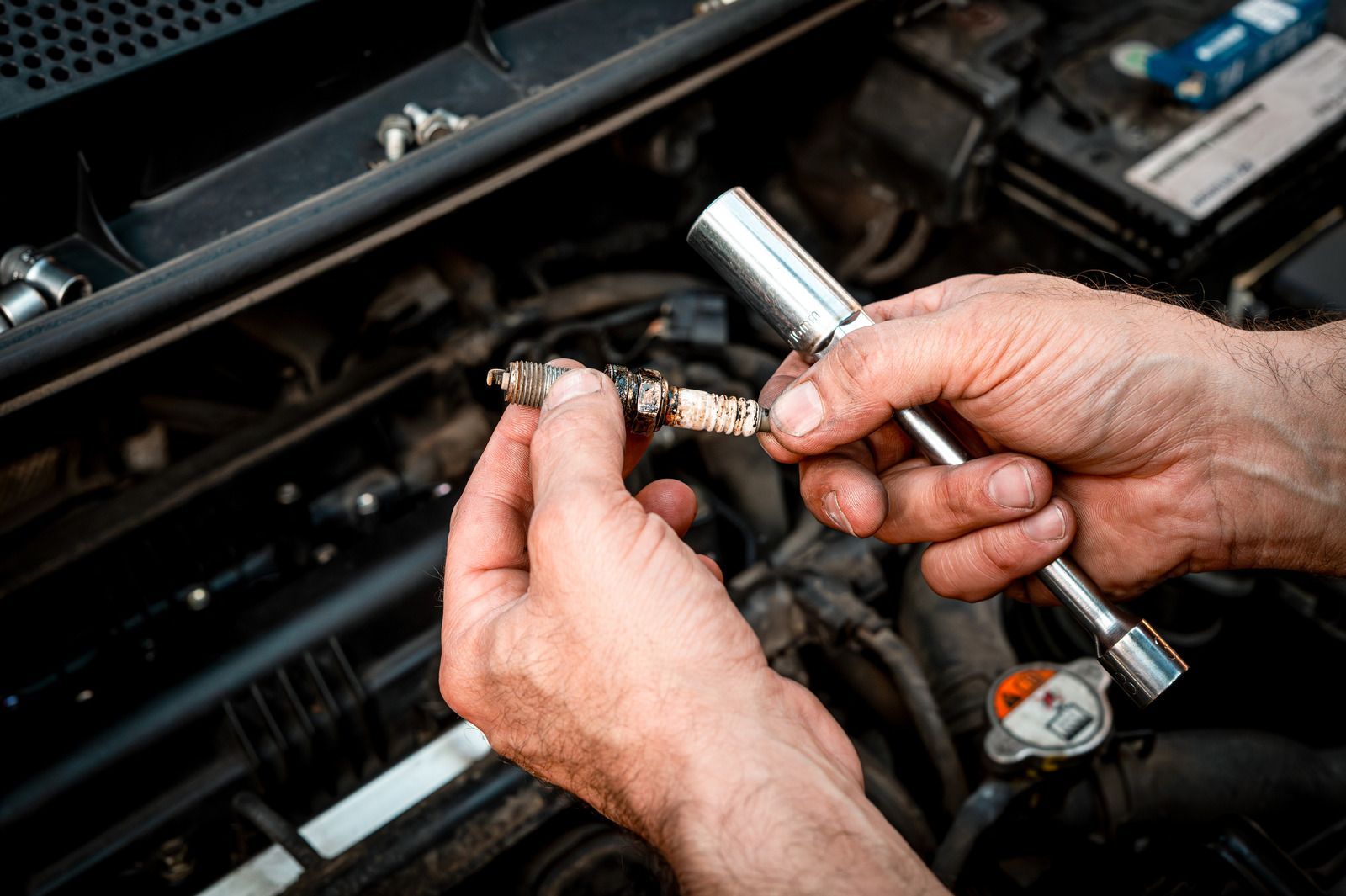
SPARK PLUGS
Spark Plug Replacement
Plug life runs from 30,000 to 100,000 miles depending on the type your engine uses. We remove the old set, read the electrode condition for clues, and install new plugs gapped and torqued to specification.

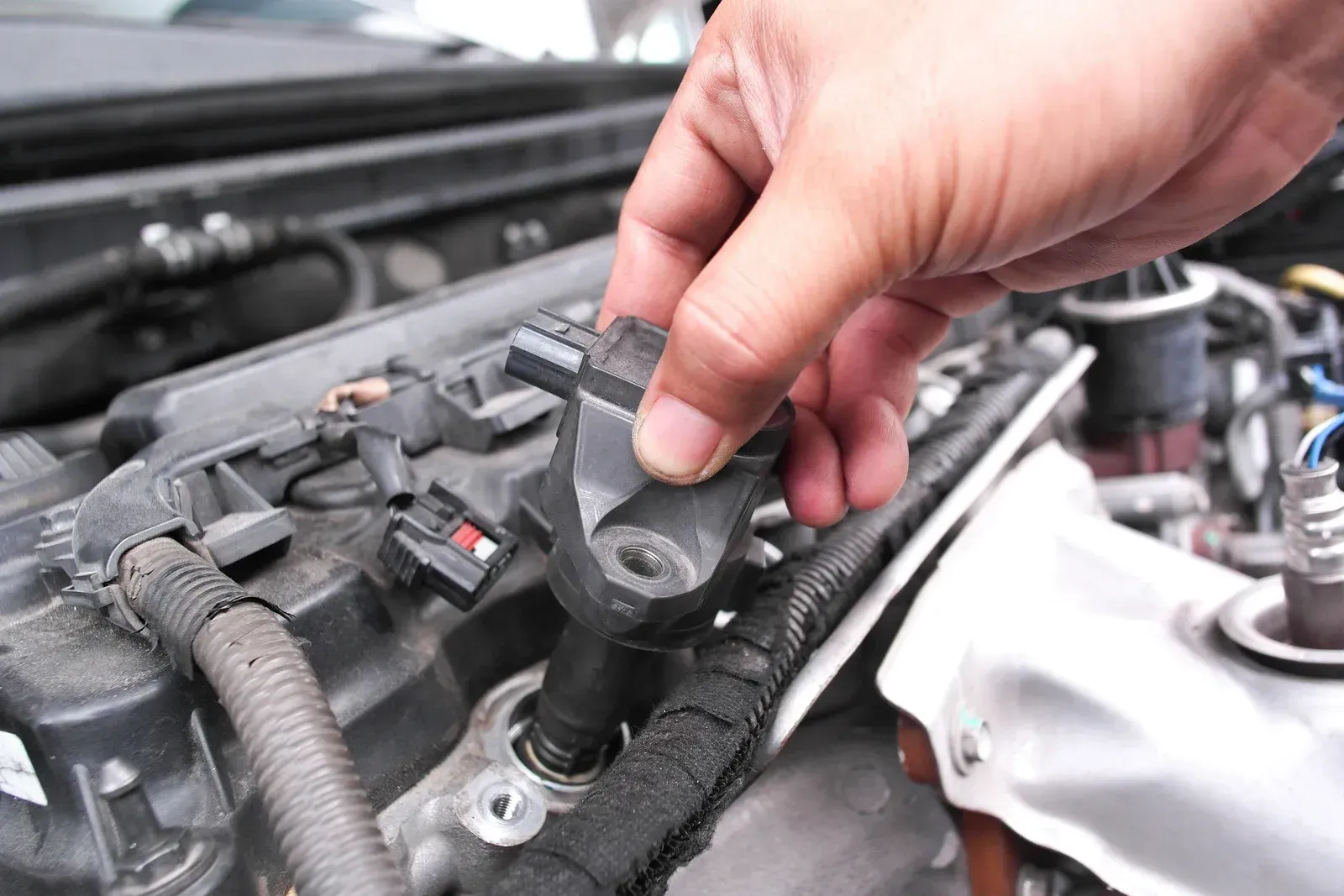
IGNITION COILS
Ignition Coil Testing and Replacement
Coils weaken before quitting, and a tired one shows up as reduced output under load. Testing during a tune-up catches the weak coil while the plugs are already out, which saves a second teardown.
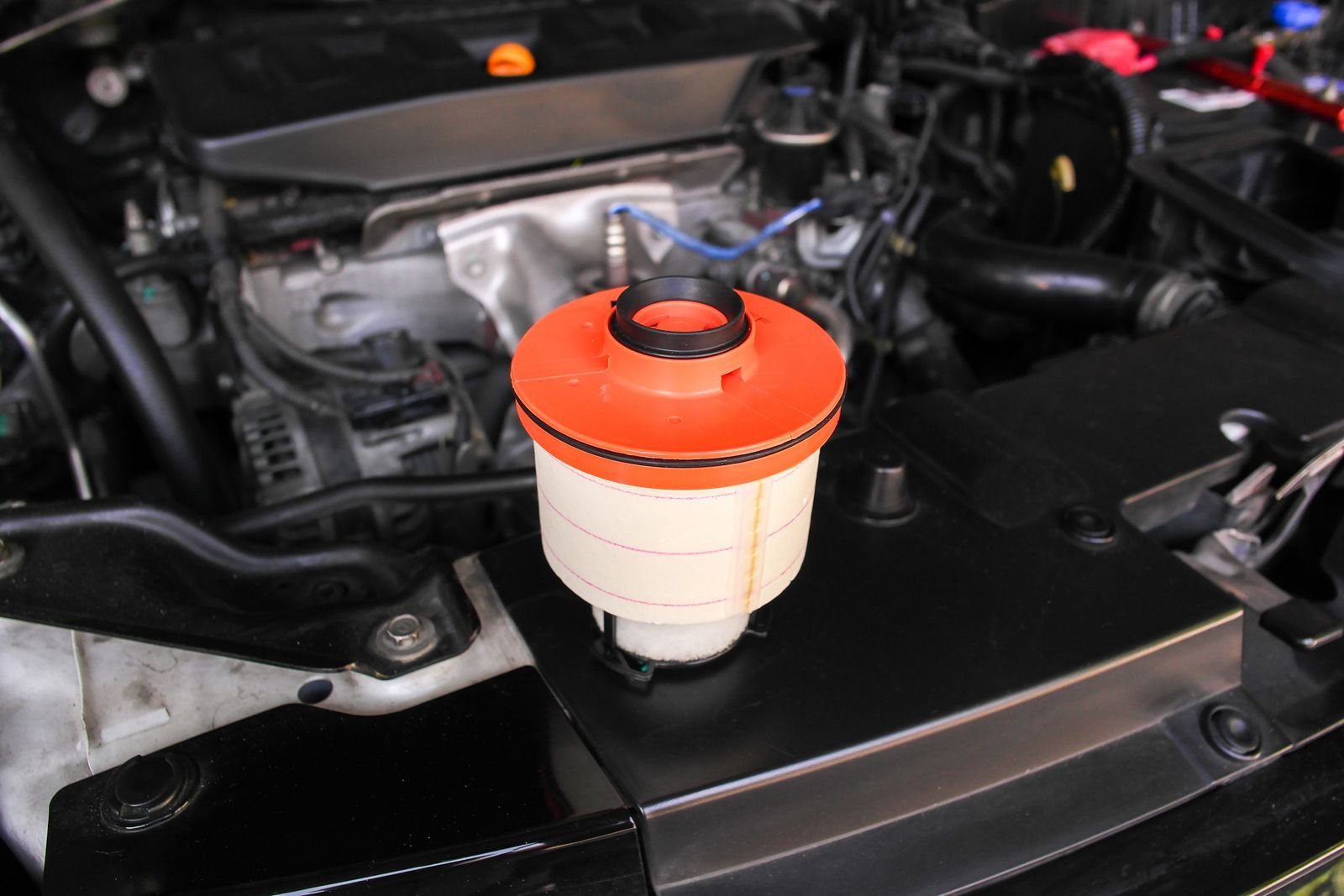
FUEL FILTERS
Fuel Filter Replacement
A restricted filter starves the injectors and makes an engine feel flat at highway speed. Where your vehicle uses a serviceable filter, we replace it on interval and check line fittings for seepage.
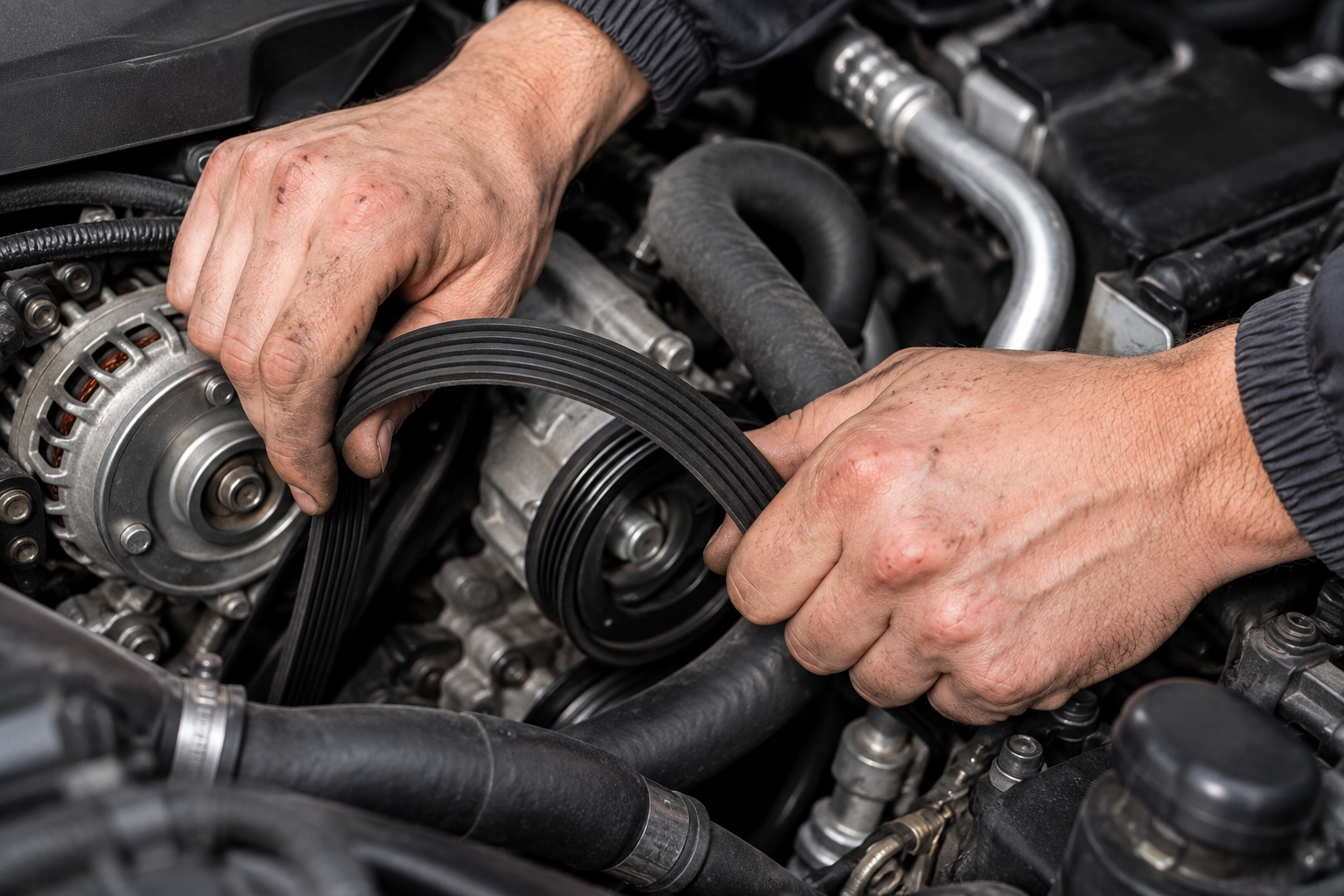
DRIVE BELTS
Drive Belt Inspection
Belts drive the alternator, water pump, and accessories, and heat glazes them long before one snaps. We check for cracking, glazing, fraying, and tension, and tell you how much life is left in each one.
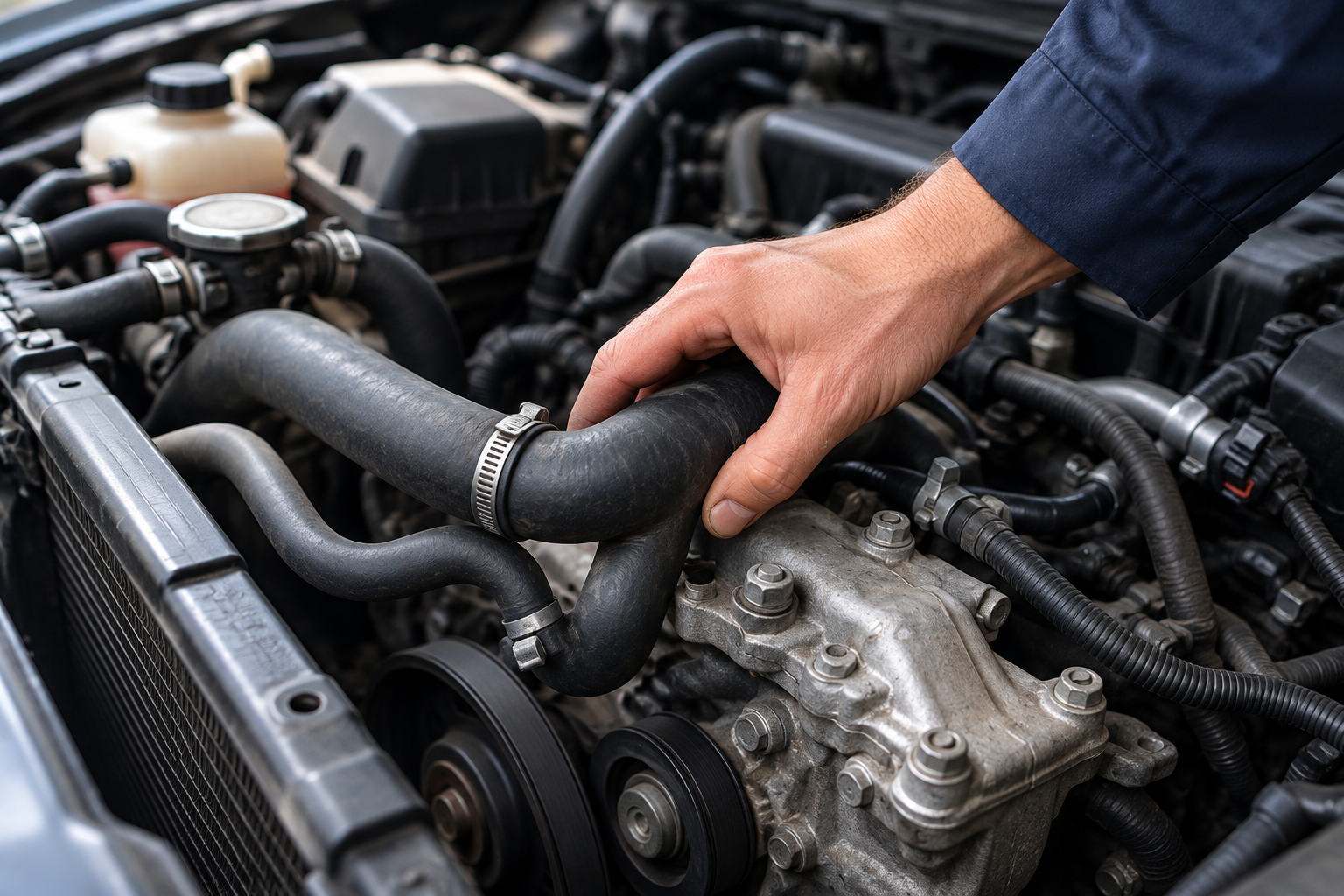
ENGINE HOSES
Coolant and Vacuum Hose Inspection
Hoses harden from underhood heat until a squeeze test tells more than a look does. We inspect coolant and vacuum lines for swelling, chafing, soft spots, and weeping clamps during every scheduled tune-up visit.
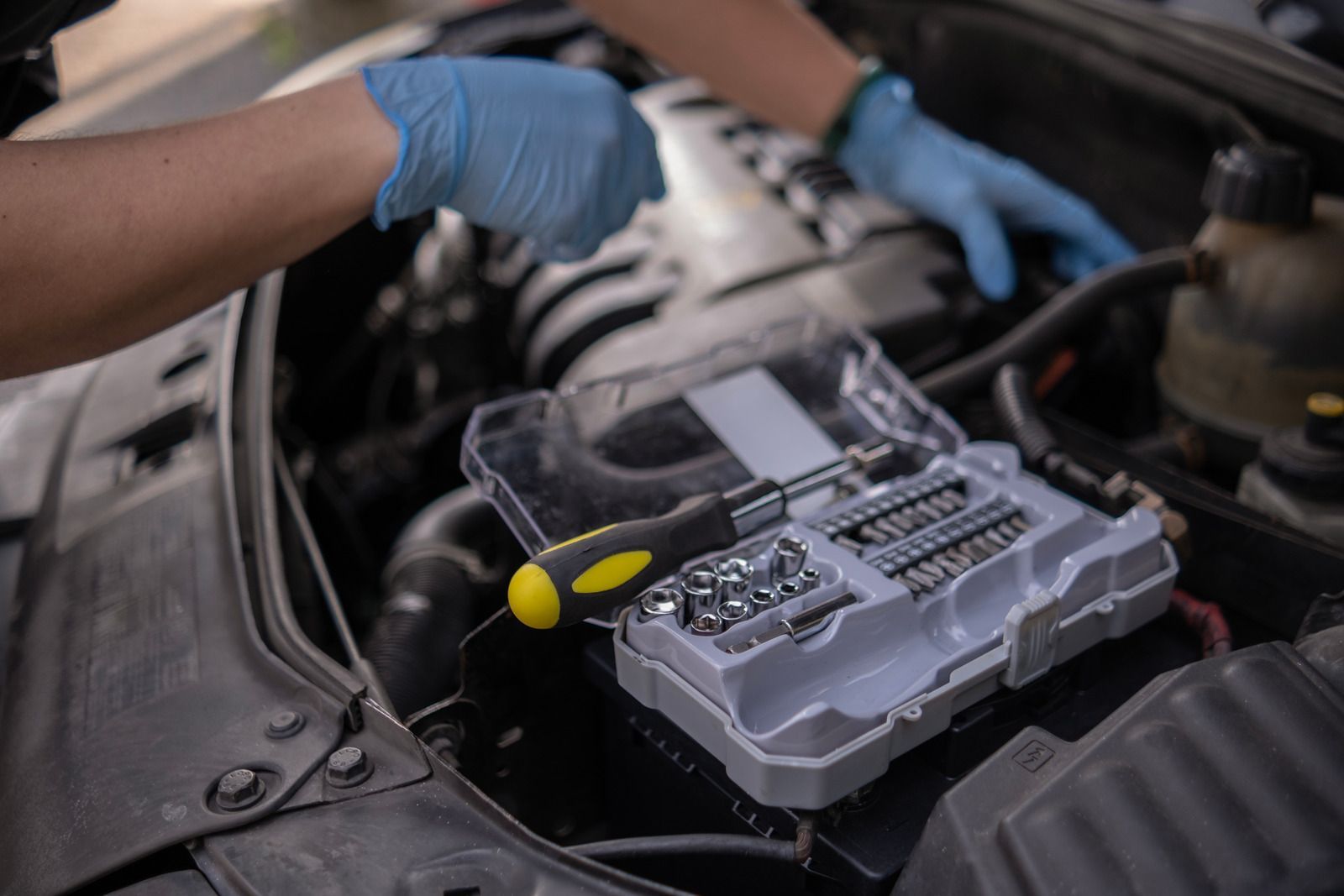
INTERVAL SERVICE
Scheduled 30,000 to 60,000 Mile Tune-Ups
Manufacturers set tune-up mileage between 30,000 and 60,000 miles, and we track yours against service records rather than guessing. Booking on interval keeps ignition and fuel components ahead of the failures that strand drivers.
THE WORD ON OUR WORK
WHAT OUR CLIENTS SAY.
Regulars mention that scheduled work finished ahead of the promised date, and that ordered parts showed up the same day rather than next week. Several also remember being told a service was not due yet. Straight scheduling advice is what earns the next appointment.
Common Questions
frequently asked
questions.
Tune-up questions usually come down to timing, parts, and results. Here is what drivers ask most about plugs, coils, filters, belts, hoses, fuel economy, and knowing when a service is overdue.
What does an engine tune-up include?
A tune-up covers spark plug replacement, ignition coil testing, fuel filter service where the design allows, and inspection of belts and hoses. M & A Auto Care builds the list in Pomona, CA from your engine's factory schedule.
How often does my vehicle need a tune-up?
Most vehicles need one every 30,000 to 60,000 miles, though the exact figure belongs to your manufacturer and your driving pattern. Heavy stop-and-go use pushes the service toward the shorter end of that range, while steady highway miles allow the longer interval.
How long do spark plugs last, and do plug types matter?
Service life ranges from about 30,000 to 100,000 miles. Copper plugs wear fastest, platinum lasts longer, and iridium goes furthest, which is why the replacement interval depends on what your engine was designed to run from the factory when new.
What do ignition coils do, and how do I know one is failing?
Ignition coils convert battery voltage into the high voltage a plug needs to fire. A failing coil produces a stumble under acceleration, a shudder at idle or a stored cylinder-specific fault, and output testing confirms it quickly during a tune-up.
Why does a fuel filter need replacing?
Filters trap rust, sediment, and debris from the tank so injectors stay clean. Once the element loads up, fuel pressure drops under demand and the pump works harder, which shows as flat acceleration and eventually a failed pump.
Do belts and hoses get replaced during a tune-up?
Inspection is standard; replacement happens only when condition calls for it. Cracking, glazing, fraying, soft spots or swelling mean the part is near the end, and you decide whether to handle it during the same visit or a later one.
Will a tune-up improve my fuel economy?
Usually yes, when worn plugs or a restricted fuel filter were dragging efficiency down. M & A Auto Care sees mileage recover after tune-ups in Pomona, CA, though tire pressure, alignment, and driving habits also affect the final number.
What are the signs my vehicle is overdue for a tune-up?
Watch for longer cranking, a shaky idle, weaker pickup on hills, more frequent fill-ups, and a check engine light that appears under load. Any of those alongside high mileage since the last service means it is time to book.
HOW WE WORK
WHAT A SCHEDULED TUNE-UP LOOKS LIKE.
STEP 01
Review The Service History
Mileage, previous plug type, and the date of the last ignition service tell us where your vehicle sits in its interval. Bring records if you have them, and we will build the service list from there.
STEP 02
Inspect Plugs And Coils
Old plugs come out and get read: electrode wear, deposits, and coloring all say something about how the engine has been running. Coil output gets tested while access is open rather than after everything is back together.
STEP 03
Check Filters Belts And Hoses
Fuel filter condition, belt tension, and hose flexibility get checked in the same pass. Anything showing wear gets noted with a plain recommendation, and we will show you the worn part before it goes in the bin.
STEP 04
Confirm The Parts List
Plug type, coil count, filter part number, and any belt or hose we flagged go onto a written estimate for your approval. Nothing gets ordered until the list matches what you want done at this particular visit.
STEP 05
Install And Torque To Specification
New plugs go in gapped and torqued to the figure your manufacturer published, because an over-tightened plug damages the head and a loose one blows out. Coils, filters, and every fastener follow the same torque discipline going back in.
STEP 06
Log The Next Service Interval
Your next tune-up mileage goes on the invoice, along with the plug type installed, so the following visit starts from a record instead of a guess. A brief drive confirms the idle settled before you leave.