Cooling System & Radiator Repair
COOLING SYSTEM AND RADIATOR REPAIR in Pomona, CA
August is the hottest month here, with daily highs averaging near 92 degrees and a hot stretch that runs about 3 months above 87 degrees. M & A Auto Care handles cooling system and radiator repair in Pomona, CA: radiators, thermostats, water pumps, upper and lower hoses, cooling system pressure testing, and coolant flush and refill on a 30,000 to 50,000 mile schedule. Findings are explained in plain language before any work is approved, and estimates are free.
OVERHEATING IS A SHORT CONVERSATION.
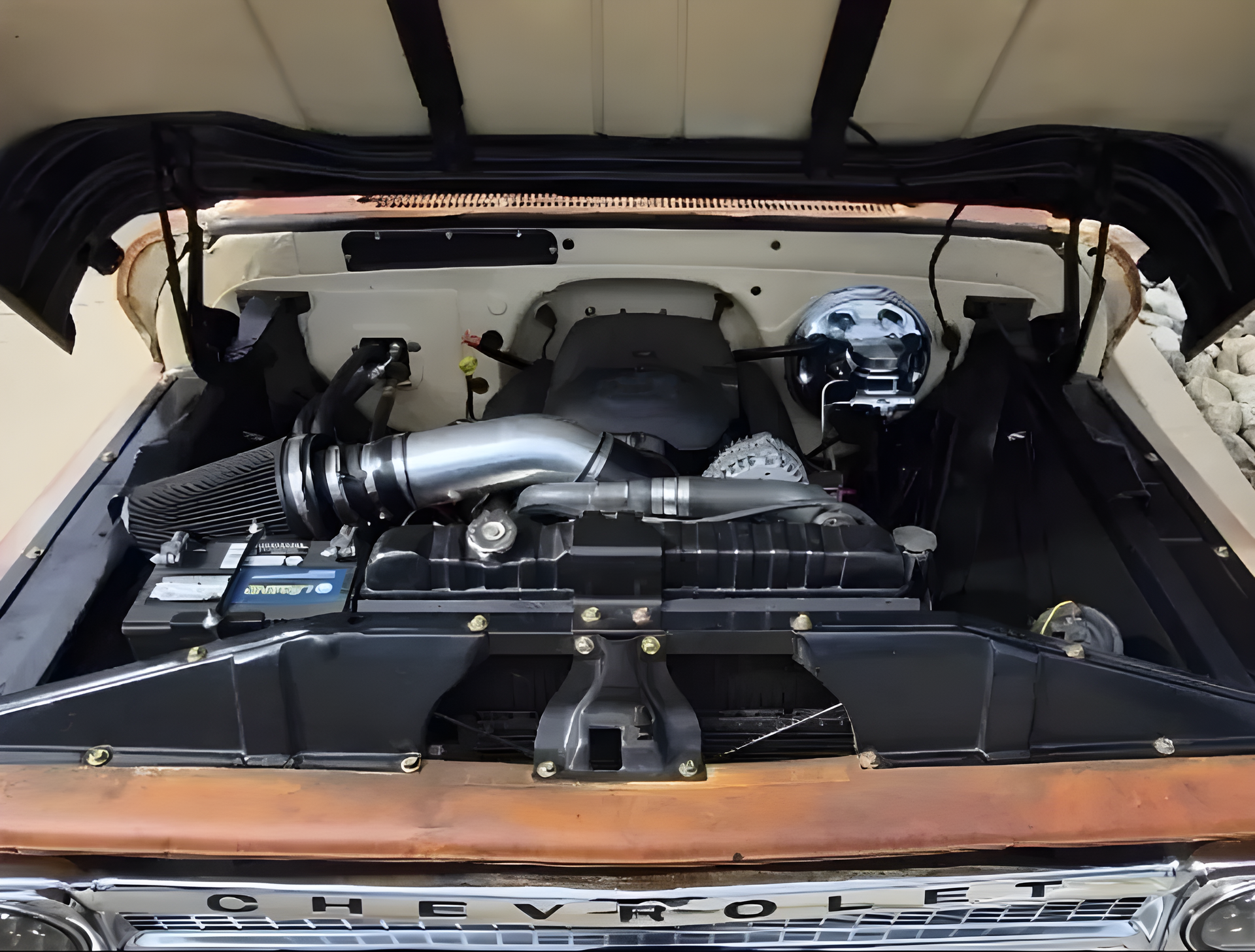
An engine tolerates a lot, but not sustained heat. A thermostat stuck closed, a water pump that has stopped moving coolant, a collapsed lower hose, or a radiator packed with debris can all take a temperature gauge from normal to critical in a few minutes of stop-and-go traffic. Gaskets warp, heads crack, and a small part becomes a large repair.
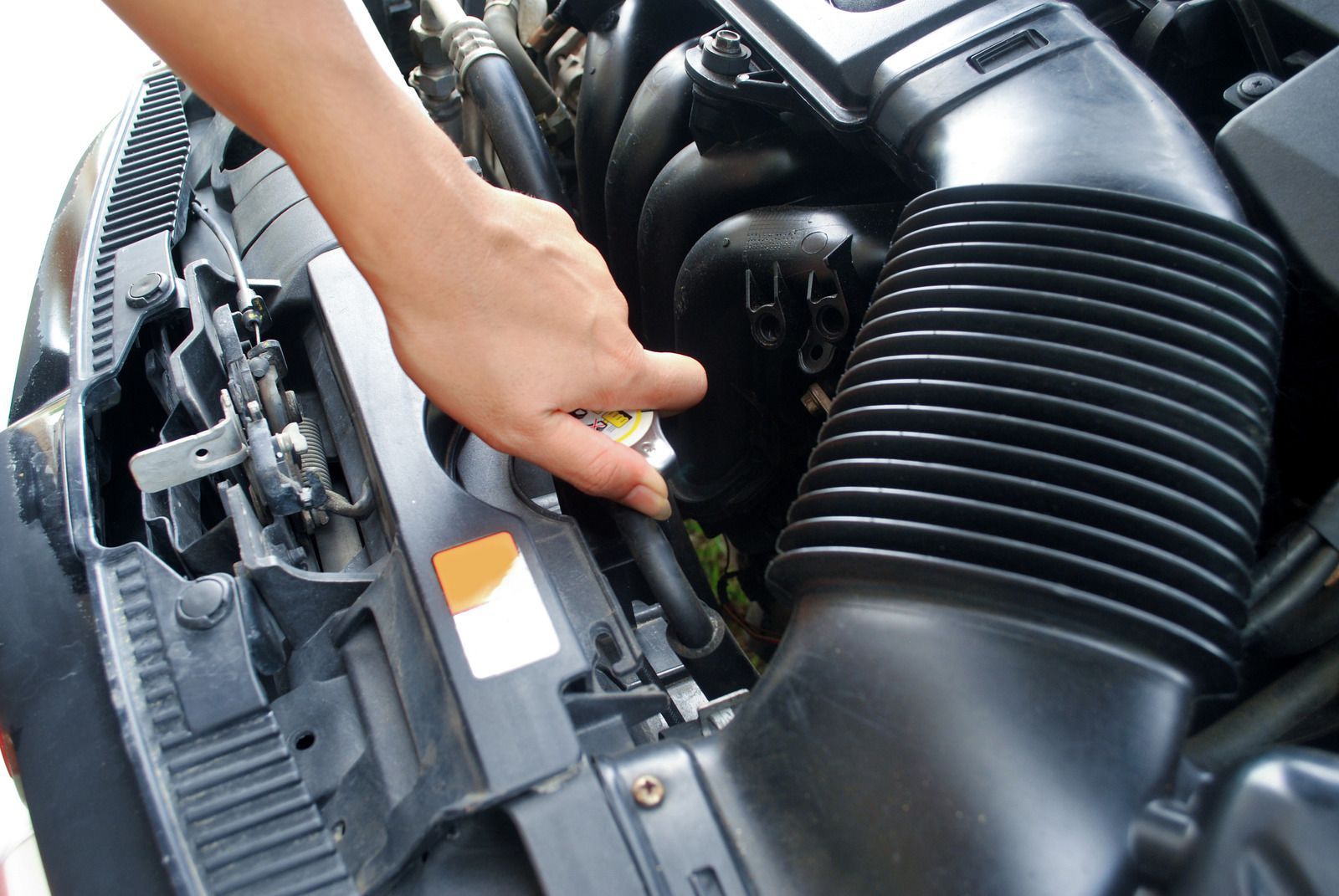
Every inspection here looks at all of it: the radiator, the cap, the thermostat, the water pump, the hoses, and the coolant condition. Pressure testing finds the leaks that never leave a puddle behind.
- Radiator, cap, and hose inspection
- Thermostat and water pump testing
- Cooling system pressure testing
- Coolant flush and refill
COOLING SYSTEM AND RADIATOR REPAIR
A CLIMBING GAUGE IS NOT A WAIT-AND-SEE PROBLEM.
Diagnosis treats the cooling system as a whole, because the parts depend on each other. A weak cap lowers the boiling point. A tired water pump moves less coolant at idle. A thermostat that opens late holds heat right when traffic slows. Testing pressure, watching temperature come up, and checking flow through the radiator tells us which link actually failed instead of which part is easiest to replace.
SUMMER TRAFFIC IS WHERE COOLING SYSTEMS FAIL.
Cooling systems do the easiest work at freeway speed, with air pushing through the radiator. Crawling on the 10 in August, with highs near 92 degrees, the fan and the coolant carry the whole load. That is when a marginal thermostat, a weak water pump or a radiator clogged with road debris finally shows itself, usually in the slow lane with the heater running.
HEAT HAS NO PATIENCE, AND NEITHER DO WE.
Over 35 years, the same August week has brought in the same failures: a hose that let go, a pump bearing that started weeping, a radiator that stopped shedding heat. Modern diagnostic equipment tells us what the engine is doing, but experience tells us where to look first. That combination is why an overheating complaint usually leaves here with one confirmed repair, not a long list of guesses.
WHY CHOOSE US FOR COOLING SYSTEM AND RADIATOR REPAIR.
LEAKS FOUND UNDER PRESSURE
Fluid that disappears without a puddle is still going somewhere. Pressure testing pushes the system to operating pressure while cold, which makes a seeping hose, cap or core show itself.
THE RIGHT COOLANT FOR YOUR ENGINE
Mixing coolant types can gel, corrode, or clog a system that was healthy. Refills here match what your manufacturer specifies, in the correct concentration, so the protection actually works.
SERVICE BEFORE THE HOT MONTHS ARRIVE
Waiting until the gauge climbs turns a planned service into an emergency. Getting the system checked before the hot stretch arrives is far cheaper than repairing what heat damages.
NO PART REPLACED ON A GUESS
Thermostats, pumps, and radiators all cause overheating, so testing decides which one failed. You approve a repair aimed at the confirmed cause, not a parts list built on probability.
SAFE HANDLING OF A TOXIC FLUID
Ethylene glycol tastes sweet and is dangerous to pets and children, which is why state law requires a bittering agent here. Old coolant is captured and handled properly, never left in your driveway.
EVERYTHING HEAT TOUCHES, ONE VISIT
Overheating rarely stops at the radiator. Hoses, belts, the water pump, and related engine components are all inspected in the same visit, so nothing damaged by heat gets missed.
WHAT WE REPAIR
OUR COOLING SYSTEM AND RADIATOR WORK.
Work here covers the radiator, thermostat, water pump, hoses, and the coolant itself, tested as one system. Each item below begins with an inspection and pressure test, then a repair matched to your manufacturer's specification.
RADIATOR SERVICE
Radiator Inspection And Repair
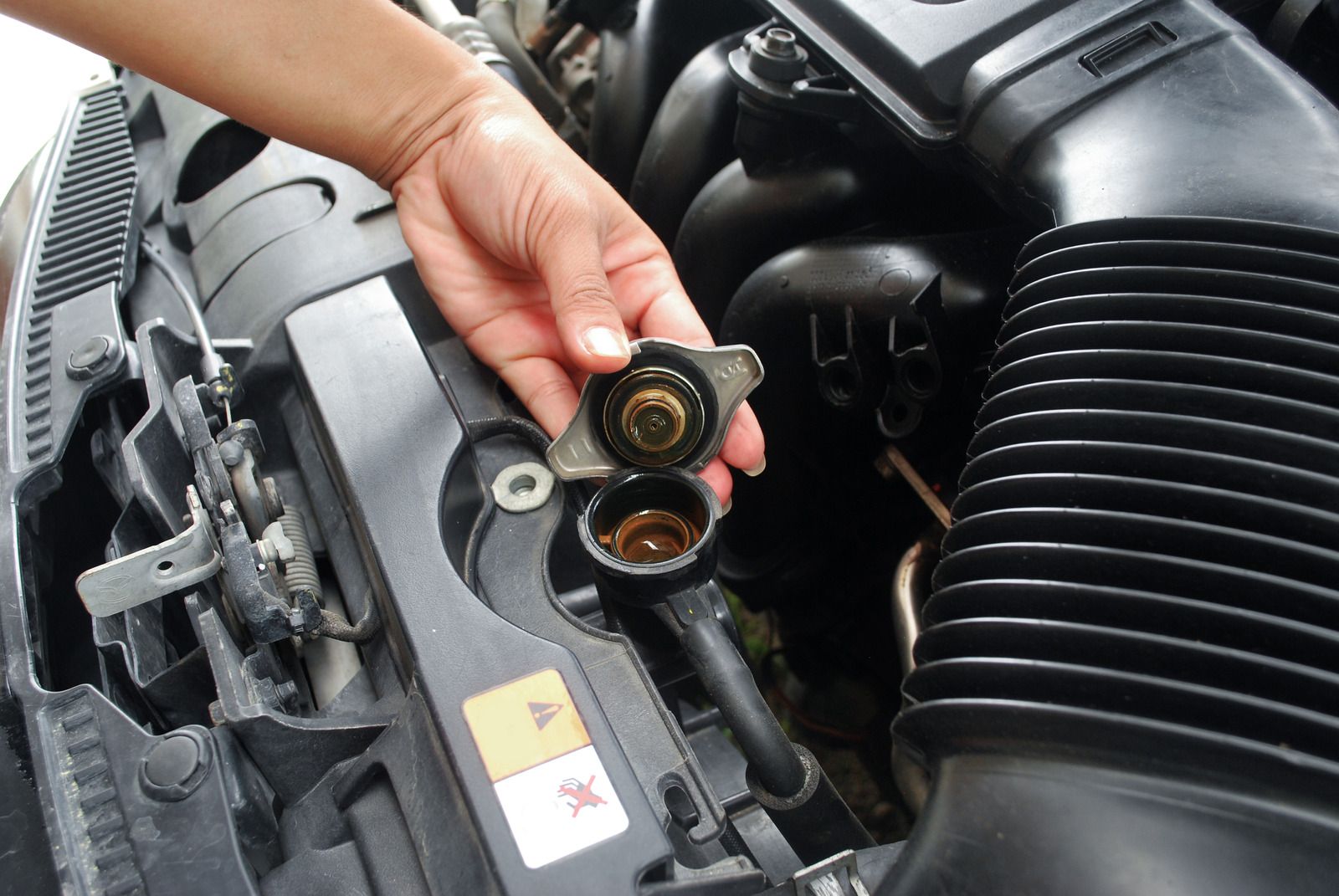
Fins packed with debris, a leaking seam, a plugged core or a failing cap all reduce heat transfer. Inspection covers flow, external condition, and mounting, and replacement follows the specification your vehicle was built to.
THERMOSTAT WORK
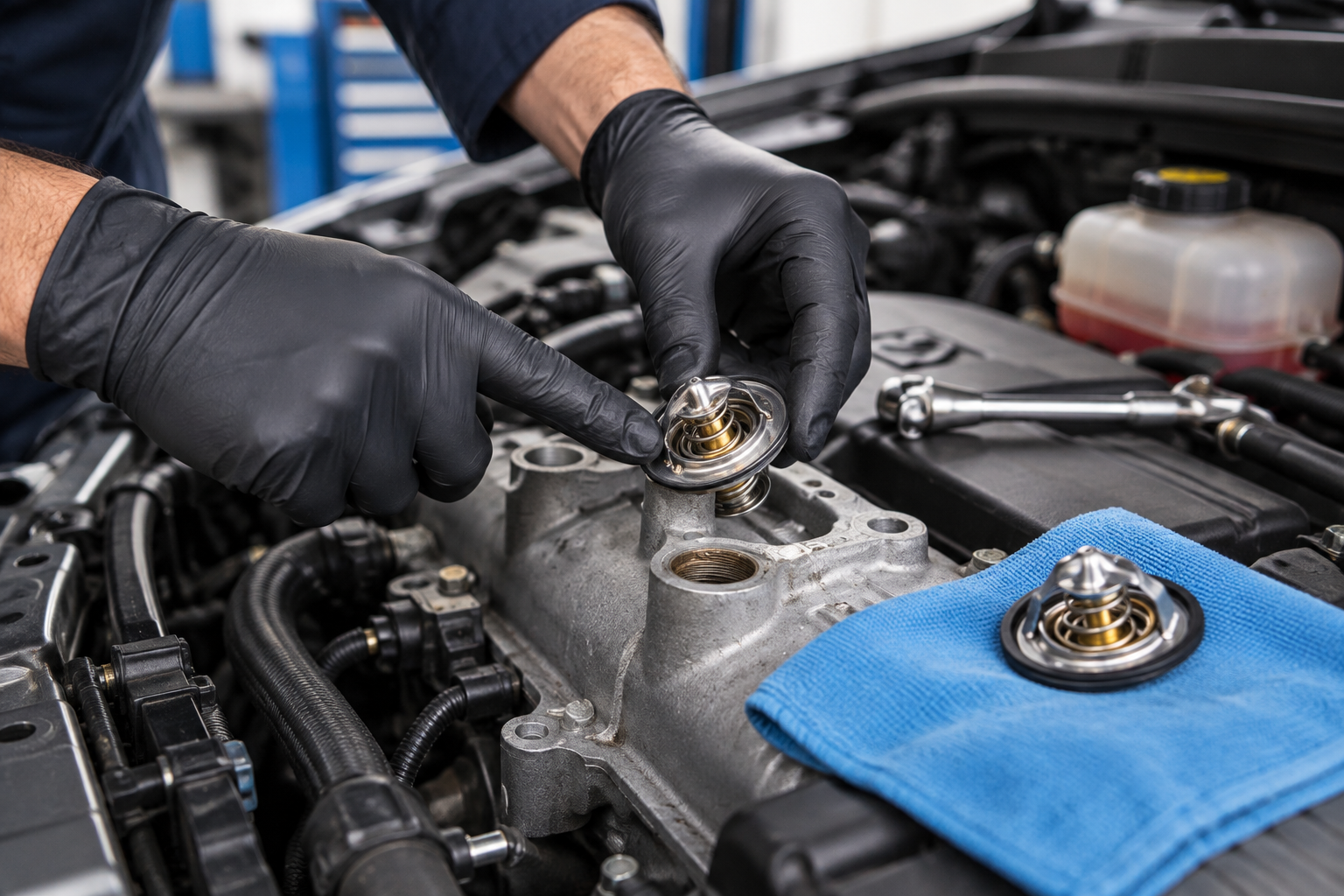
Thermostat Testing And Replacement
A thermostat stuck closed overheats an engine quickly. Stuck open, it never reaches operating temperature and the heater blows cool. Watching how fast the upper hose warms during a controlled warm-up shows which fault is present.
PUMP REPLACEMENT
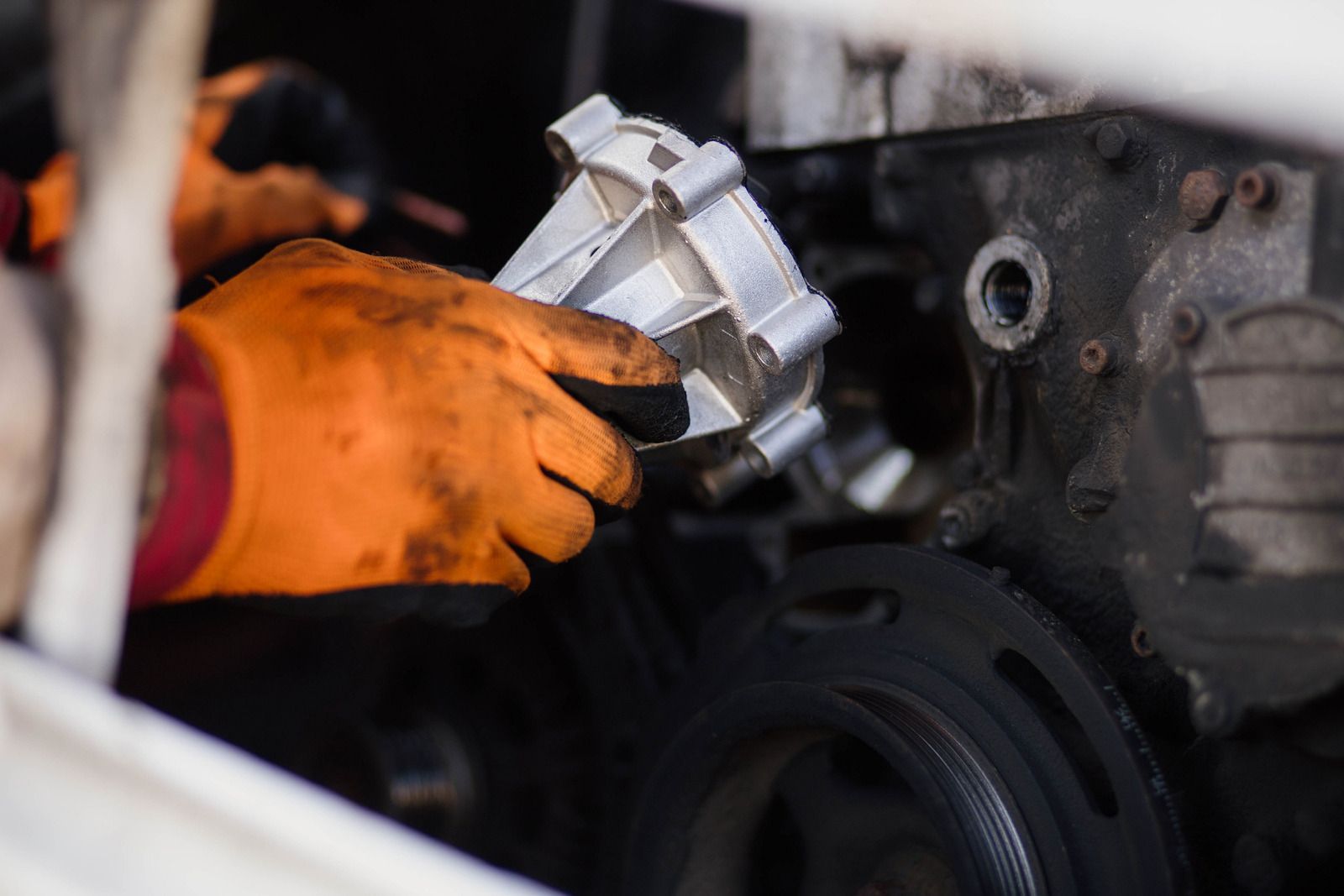
Water Pump Diagnosis And Replacement
Weeping from the vent hole, a bearing whine, or coolant loss with no external leak all point at the pump. Replacement includes new gaskets, correct torque, and a refill to the specified coolant type.
HOSE INSPECTION
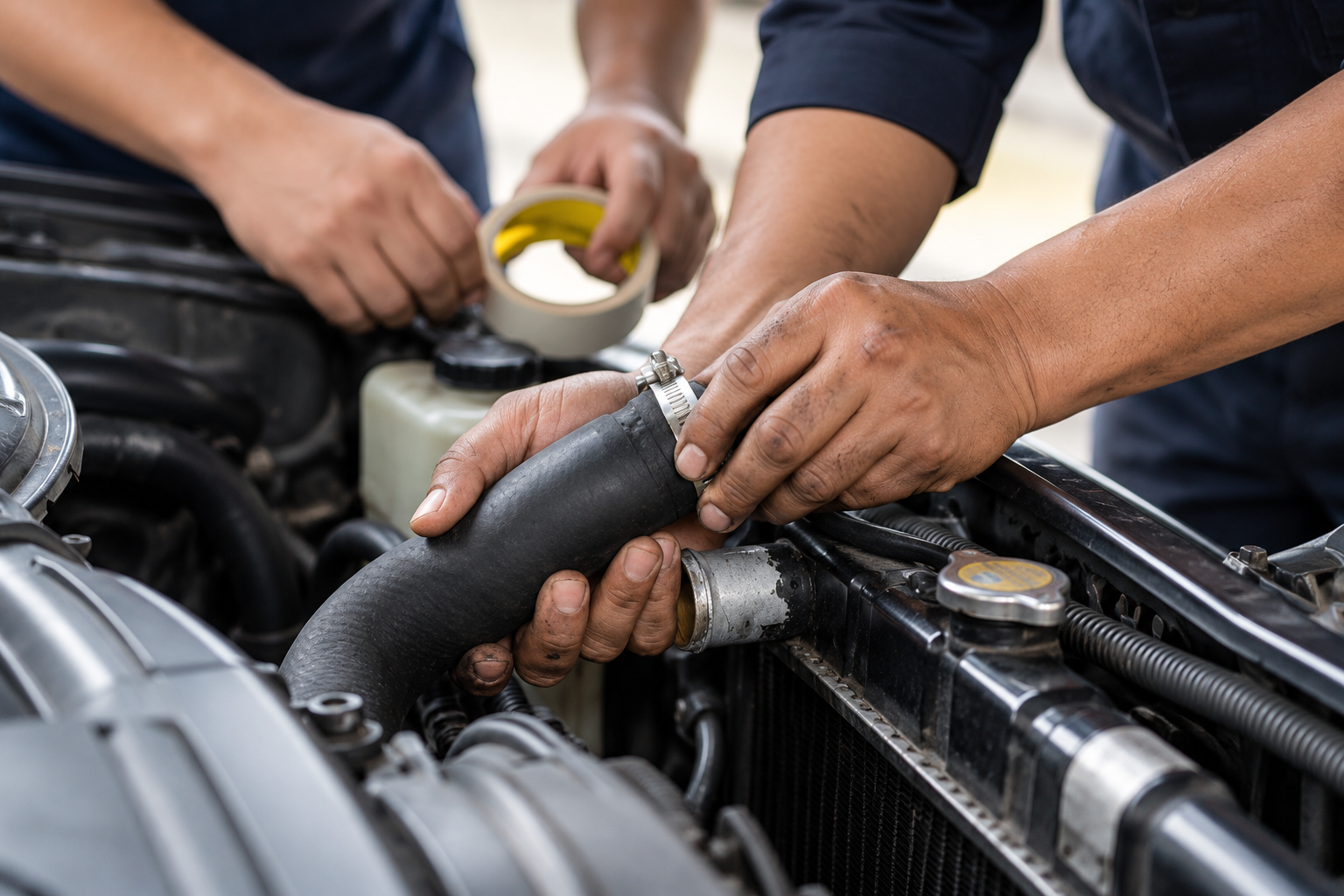
Radiator And Heater Hose Replacement
Upper, lower, and heater hoses get squeezed cold for softness, swelling, cracking, and collapse. A hose that feels spongy near a clamp is replaced before it splits, because hoses rarely give any notice at all.
PRESSURE TEST
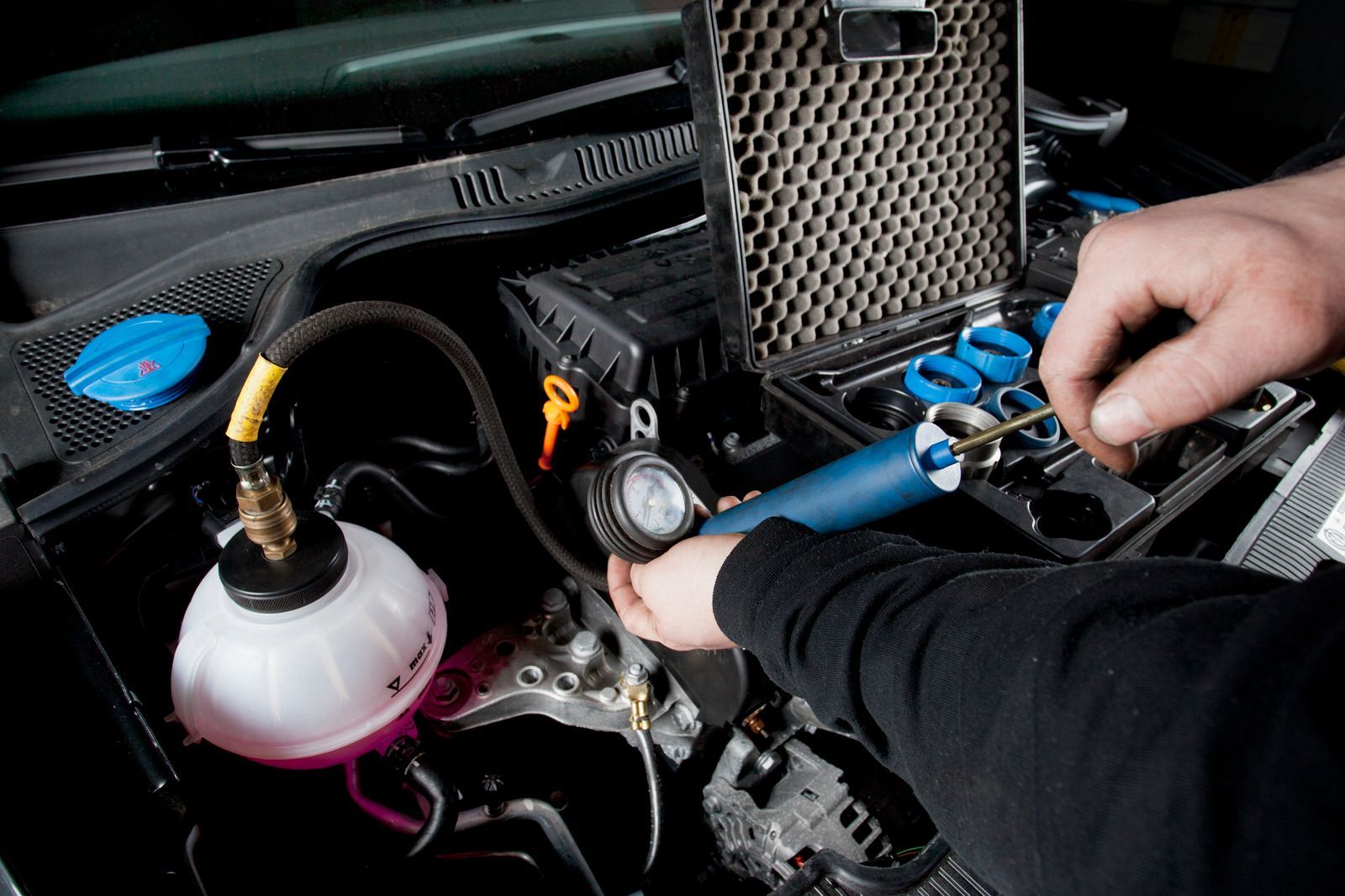
Cooling System Pressure Testing
Bringing the cold system up to its rated pressure with a hand pump and holding it there is how leaks appear. Gauge drops, damp seams, or bubbles in the reservoir reveal what a visual check would never find.
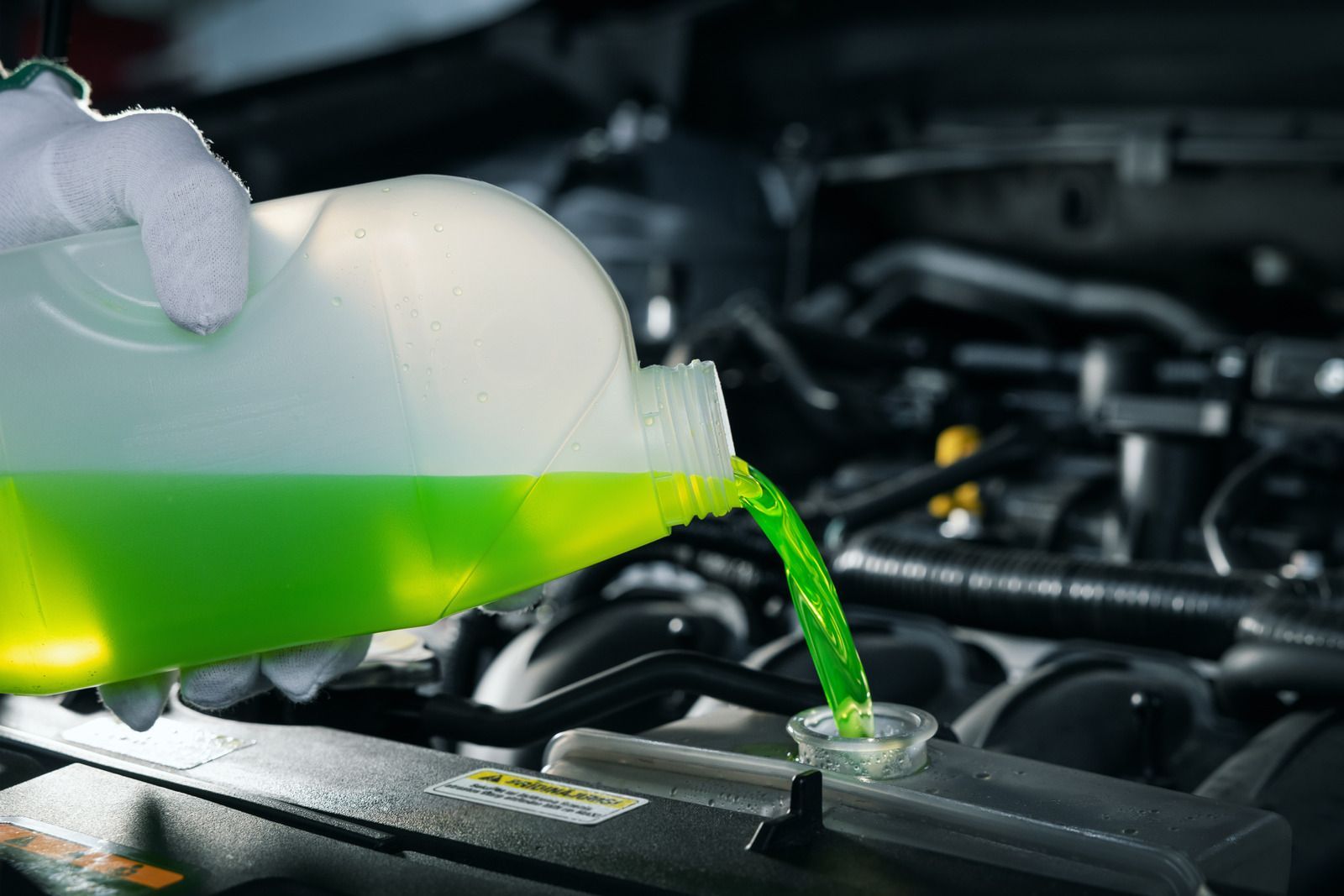
COOLANT FLUSH
Coolant Flush And Refill
Old coolant loses its corrosion inhibitors and turns acidic, which eats gaskets and radiator cores from inside. Flushing and refilling every 30,000 to 50,000 miles restores protection and clears the sediment that blocks flow.
THE WORD ON OUR WORK
WHAT OUR CLIENTS SAY.
Reviews from local drivers keep landing on the same points: parts ordered in the morning went on the same day, work wrapped up ahead of the estimated date, and more than one person was told a repair could wait instead of being sold work.
Common Questions
frequently asked
questions.
Most cooling questions arrive fast, usually with a gauge already climbing. These answers cover what causes overheating, how leaks get found, and what coolant service actually does for an engine.
What causes an engine to overheat?
Low coolant, a stuck thermostat, a failing water pump, a clogged radiator, a bad cap, or a fan that is not running are the usual causes. Testing separates them, because several of them produce an identical reading on the temperature gauge.
What are the signs of a failing water pump?
Coolant weeping from the pump vent hole, a whine or growl that changes with engine speed, and unexplained coolant loss are the common signs. A pump that has lost its bearing can also cause a wobbling drive belt.
How do I know if my thermostat is bad?
Stuck closed, the temperature gauge climbs fast and the upper hose stays cool. Stuck open, the engine runs cold, and the heater never gets hot. Watching warm-up behavior with the correct gauge confirms which of the two failures occurred.
What do coolant colors mean, and can I mix them?
Color indicates the chemistry family, not the quality, and mixing incompatible types can gel or corrode a system. M & A Auto Care in Pomona, CA refills with the coolant your manufacturer specifies rather than whatever is nearest on the shelf.
How often should radiator hoses be replaced?
Rubber hardens, softens, and cracks with heat cycles rather than on a fixed schedule, so condition decides. Squeezing them cold during every cooling inspection catches sponginess, swelling near clamps, and collapse before a hose splits on the freeway.
What does a cooling system pressure test do?
Pressurizing the cold system to its rated value and watching the gauge reveals leaks too small to drip. Seeping hose ends, a tired cap, a radiator seam or a failing gasket all show up before heat makes them worse.
Is a coolant flush really necessary?
Yes. Coolant loses its corrosion inhibitors over time and turns acidic, attacking gaskets, cores, and the water pump seal. M & A Auto Care in Pomona, CA flushes and refills on the 30,000 to 50,000 mile schedule most manufacturers recommend.
What damage does overheating actually do to an engine?
Heat warps cylinder heads, destroys head gaskets, scores pistons, and cooks oil until it stops protecting bearings. That is why pulling over and shutting the engine off at the very first warning sign saves far more than it costs.
HOW WE WORK
HOW WE CHASE HEAT.
STEP 01
Verify The Temperature Complaint
You tell us when the gauge moves: idling in traffic, climbing a grade, or only with the A/C on. Those conditions get reproduced, because a cooling fault that hides at freeway speed is very common here.
STEP 02
Inspect Coolant And Level
Level in the radiator and reservoir, coolant color, and any oil or rust in the mixture get recorded first. Contaminated coolant changes the entire diagnosis and often explains a repeat overheating complaint that new parts did not fix.
STEP 03
Pressure Test The System
Cold and sealed, the system gets taken to its rated pressure with a hand pump while we watch the gauge and every joint. Slow drops without a visible drip send us to the cap, the reservoir, and the head gasket.
STEP 04
Run It To Temperature
Warm-up behavior tells us plenty: how fast the upper hose heats, when the thermostat opens, whether the fan cycles, and how the gauge settles once the engine reaches normal operating temperature. Each of those readings points at a different part.
STEP 05
Present The Estimate First
Nothing is opened or ordered until the findings and a free written estimate are in front of you. Urgent items are separated from what can safely wait until the next visit, so you decide what happens and when.
STEP 06
Repair, Refill And Recheck
Approved repairs go in with the coolant type your manufacturer specifies, the system is bled of air, and the pressure test runs again. Then the vehicle is driven and rechecked at full operating temperature before it goes back.