Vehicle Inspections & Safety Checks
VEHICLE INSPECTIONS AND SAFETY CHECKS IN Pomona, CA
State law makes it unlawful to drive on a tire worn below 1/32 of an inch of tread in any 2 adjacent grooves, and tread is only one line on the checklist. M & A Auto Care performs vehicle inspections and safety checks in Pomona, CA covering brake pad thickness, rotor condition, tire depth, fluid levels, suspension, lights, and safety systems, then hands you a written report you can act on. Nothing found ever gets left off that report.
A CHECKLIST BEATS A HUNCH EVERY TIME.
Guessing at a vehicle's condition is how people end up stranded or overpaying. Pad thickness is a number. Tread depth is a number. Rotor runout, fluid level, and suspension play are all measurable, and once they are written down you can see exactly how much life is left and plan the spending instead of reacting to it.
Our inspections come in 3 shapes: before a long trip, before you buy a used vehicle, and once a year as routine. Each one uses the same measured checklist and ends in the same written report.
- Brake pad thickness measured and recorded
- Tread depth checked across every tire
- Lights and safety systems verified
- Findings ranked on a written report
VEHICLE INSPECTIONS & SAFETY CHECKS
KNOW WHAT YOU ARE DRIVING BEFORE IT DECIDES FOR YOU.
Inspection work covers the systems that fail with consequences. Brake pads get measured against minimum thickness, rotors get checked for scoring and thickness, tire tread is read across the full width, fluids are judged on level and condition, and suspension components get loaded and watched for play. Lights and safety systems round it out. Everything found lands on a written report, ranked by urgency and priced separately so you can plan.
LOCAL MILES DESERVE A CLOSER LOOK.
Pomona, CA sits at the meeting point of the 10, the 57, the 71 and the 210, which means heavy braking, repeated heat cycling, and steady road debris. Stop-and-go traffic wears pads faster than the mileage suggests, and summer highs near 92 degrees push fluids and rubber harder. A yearly inspection catches that wear while it is still a line item rather than a failure.
GOOD INSPECTIONS ARE MOSTLY BAD NEWS AVOIDED.
Most of what we write on an inspection report is confirmation that something is fine. That is the point. Over 35 years we have handed back plenty of vehicles whose owners arrived expecting a brake bill and left with a note saying the pads still had life. Measuring first and selling second is the only way an inspection is worth paying for. Our technicians are ASE-experienced and work from measured numbers rather than impressions.
WHY CHOOSE US FOR VEHICLE INSPECTIONS & SAFETY CHECKS.
YOU GET NUMBERS, NOT OPINIONS
Pad thickness, tread depth, and fluid condition come back as measurements you can compare at the next visit, so wear is tracked over time instead of guessed at from memory.
A WRITTEN REPORT LEAVES WITH YOU
Everything measured goes on paper with what it means and how soon it matters. Take it to a second opinion if you want; the numbers hold up anywhere you take them.
BUY A USED VEHICLE WITH YOUR EYES OPEN
A pre-purchase inspection turns a sales pitch into a list of facts about brakes, tires, fluids, suspension, and safety systems before your money changes hands and the problem becomes yours.
LEAVE ON A LONG DRIVE WITHOUT WONDERING
Long-drive prep looks at the items that strand people far from home: tires, brakes, fluids, suspension, and lights, all verified before you load the vehicle and pull out of the driveway.
NOTHING GETS REPAIRED WITHOUT YOUR SAY
An inspection ends with a conversation, not an invoice. You decide which items get fixed now, which ones can wait, and whether anything happens at all on that visit.
FREE ESTIMATES ON ANYTHING WE FIND
Repair pricing for anything the inspection turns up comes back in writing at no charge, with a 4% discount for cash and financing options available for the larger jobs.
WHAT WE INSPECT
OUR VEHICLE INSPECTION WORK.
No two inspections start from the same worry, but each runs the same checklist. What changes is the depth on certain systems, depending on whether you are buying, traveling or simply staying current on routine upkeep.
BRAKE CHECK
Brake Pad And Rotor Inspection
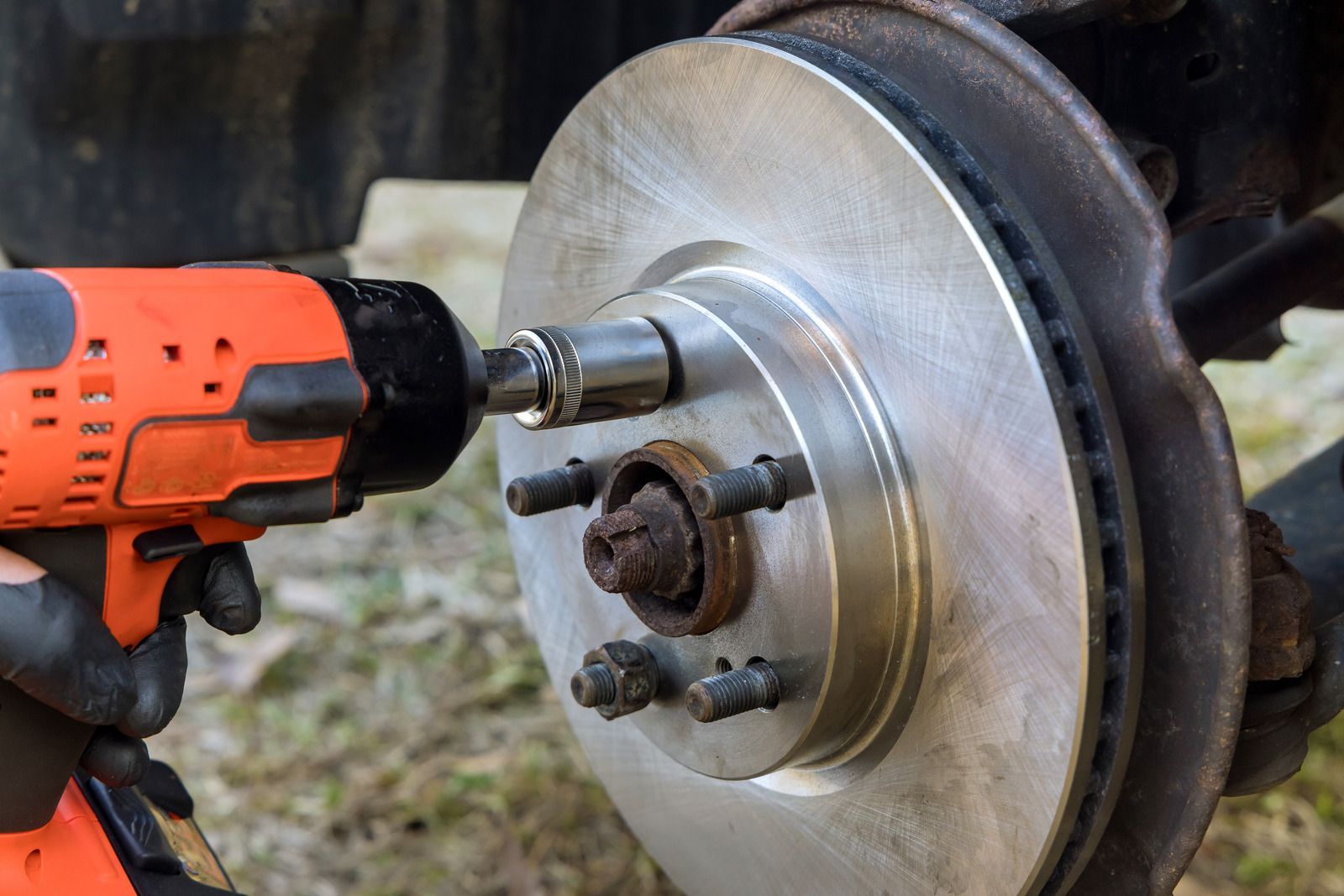
Pads come off the caliper for a thickness reading against minimum spec, and rotors are checked for scoring, glazing, and thickness. Both numbers go on the report so you can see how much life remains.
TIRE READING
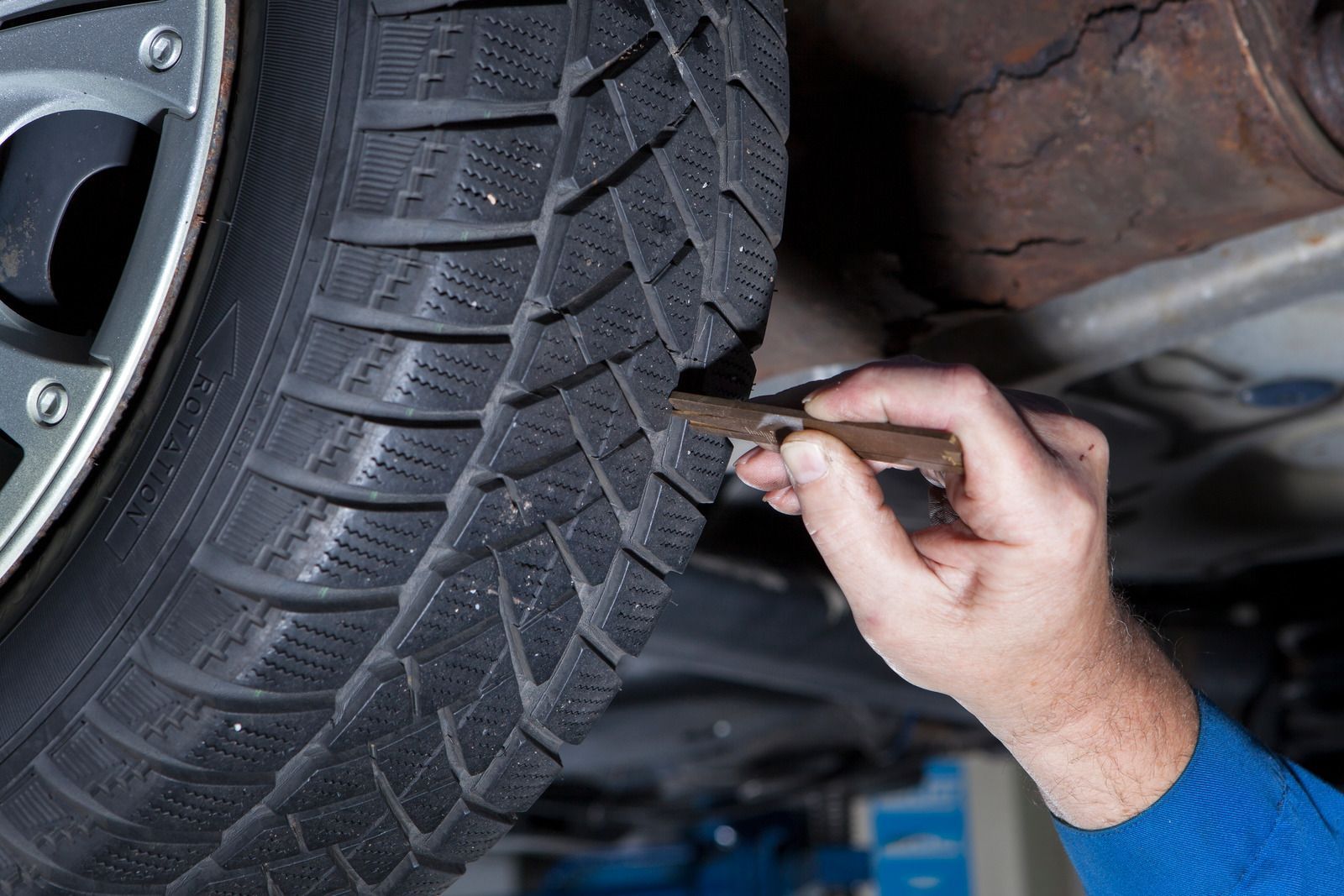
Tire Tread Depth Inspection
Tread gets measured at multiple points across each tire, not just at the center. Uneven wear patterns get noted, because they point at alignment, inflation or suspension issues rather than the tire itself.
FLUID LEVELS
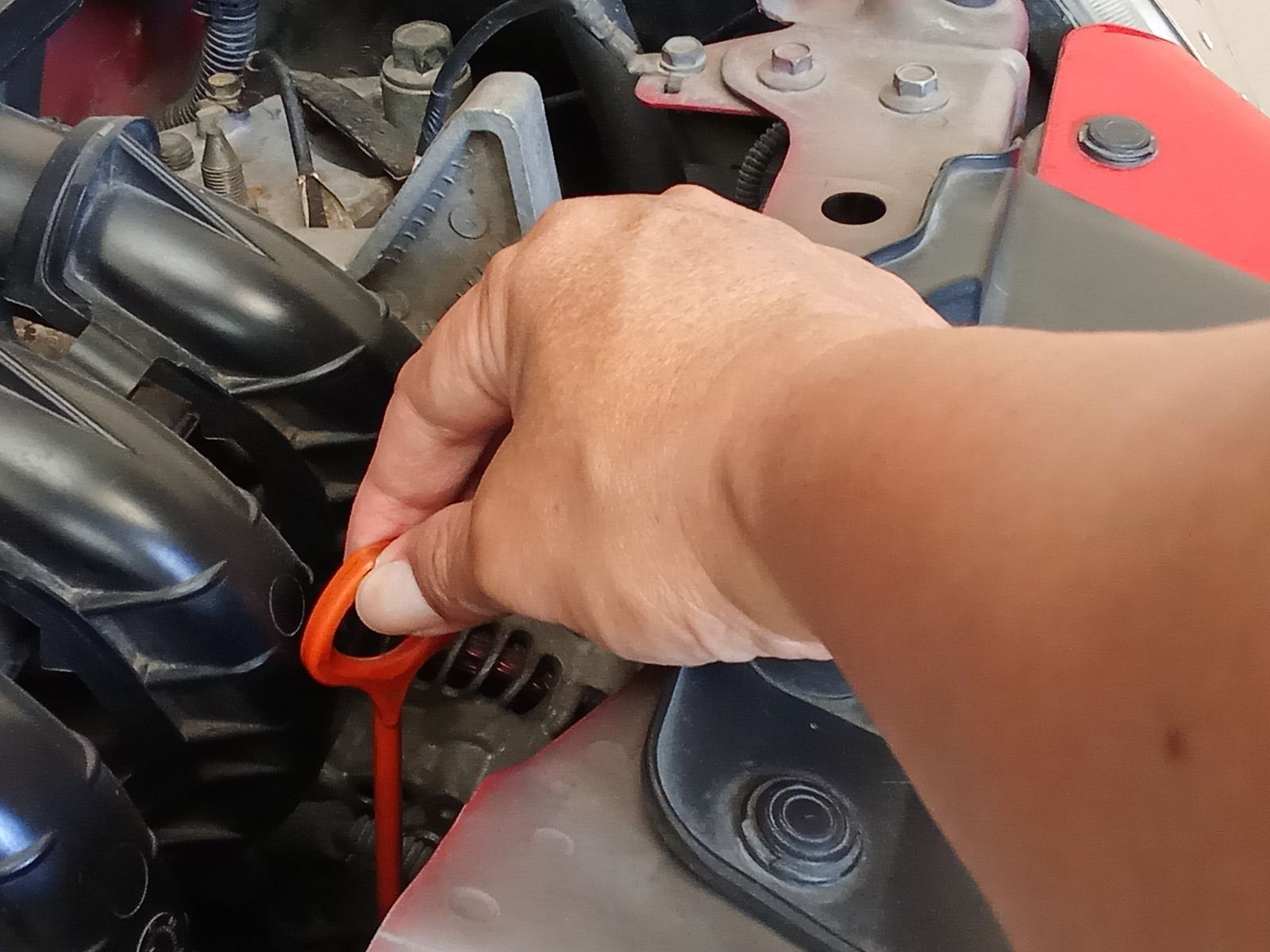
Fluid Level And Condition Checks
Engine oil, coolant, brake fluid, transmission fluid, and power steering fluid get read for level and for condition. Low or contaminated readings get written down with a note on what usually causes them.
SUSPENSION PLAY
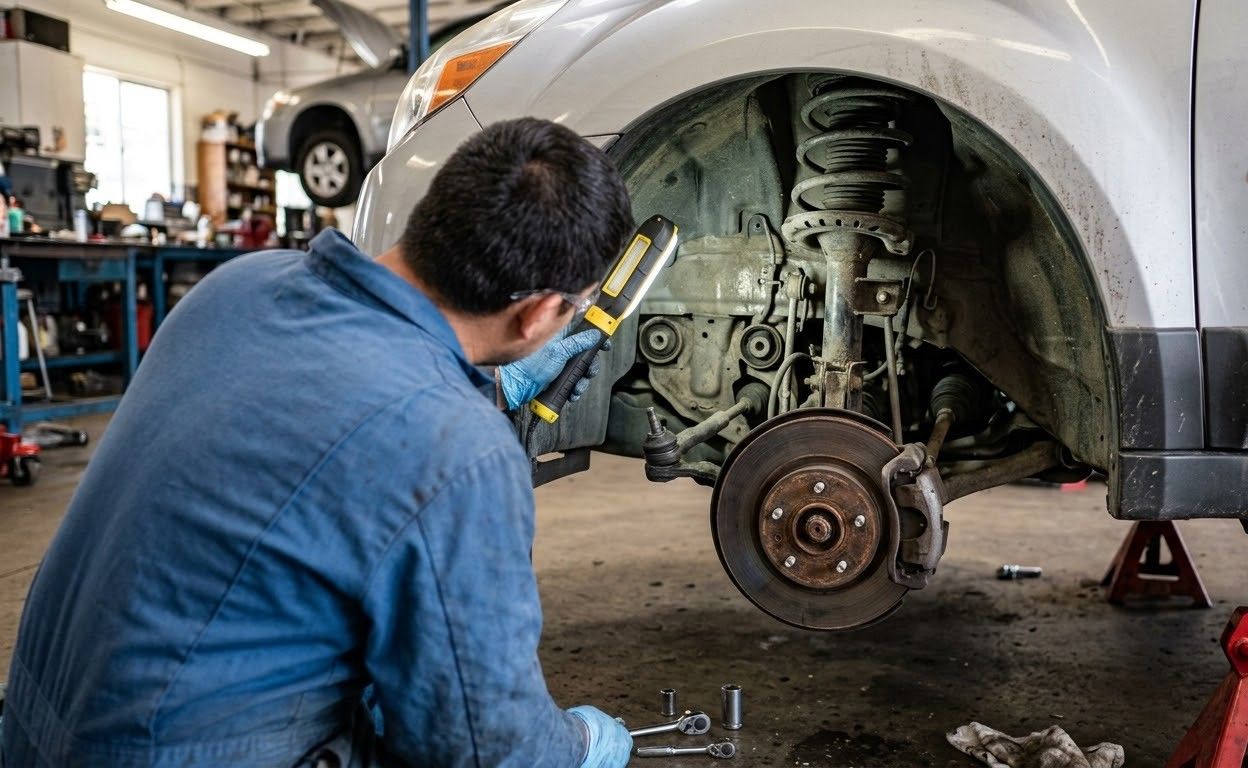
Suspension And Steering Inspection
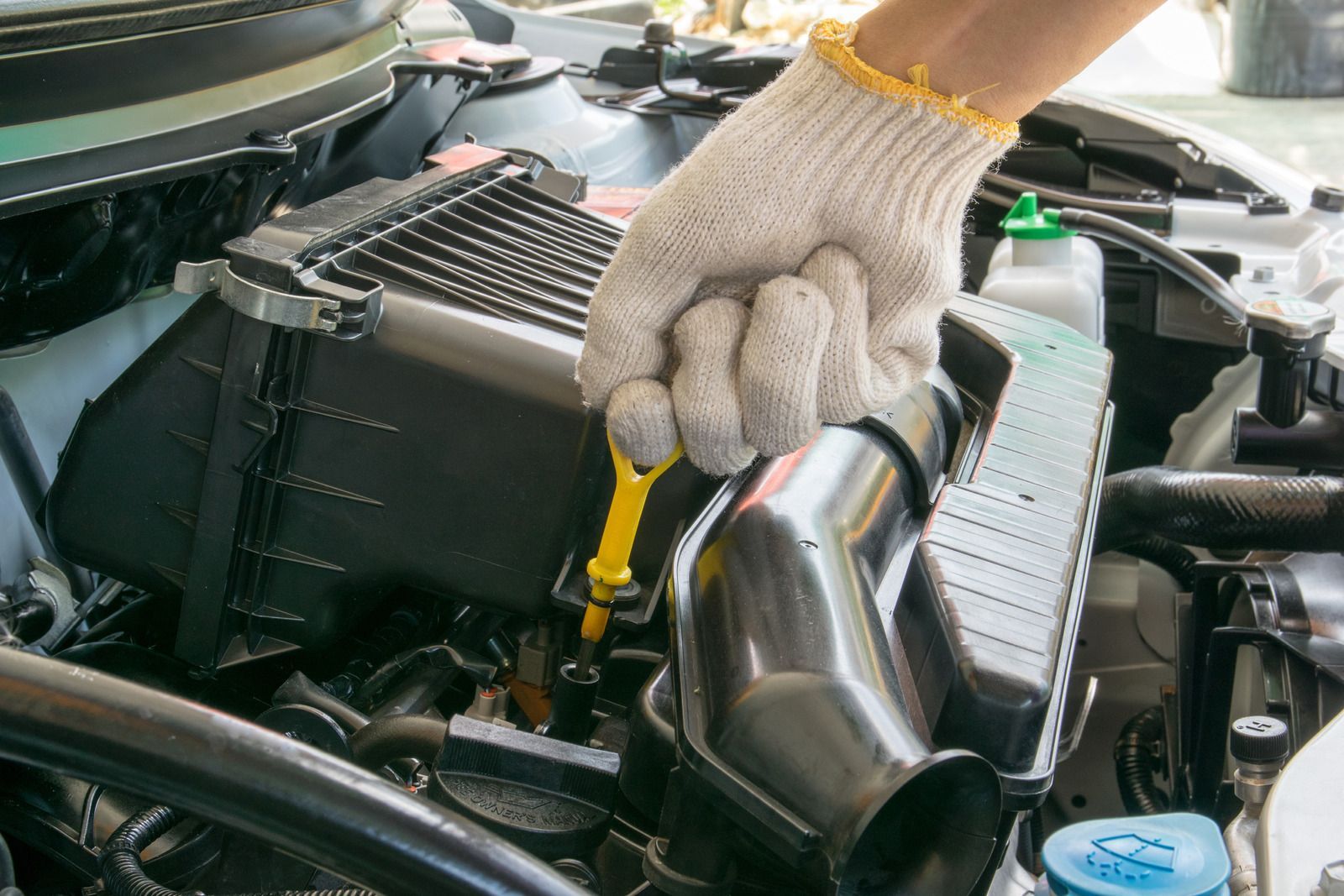
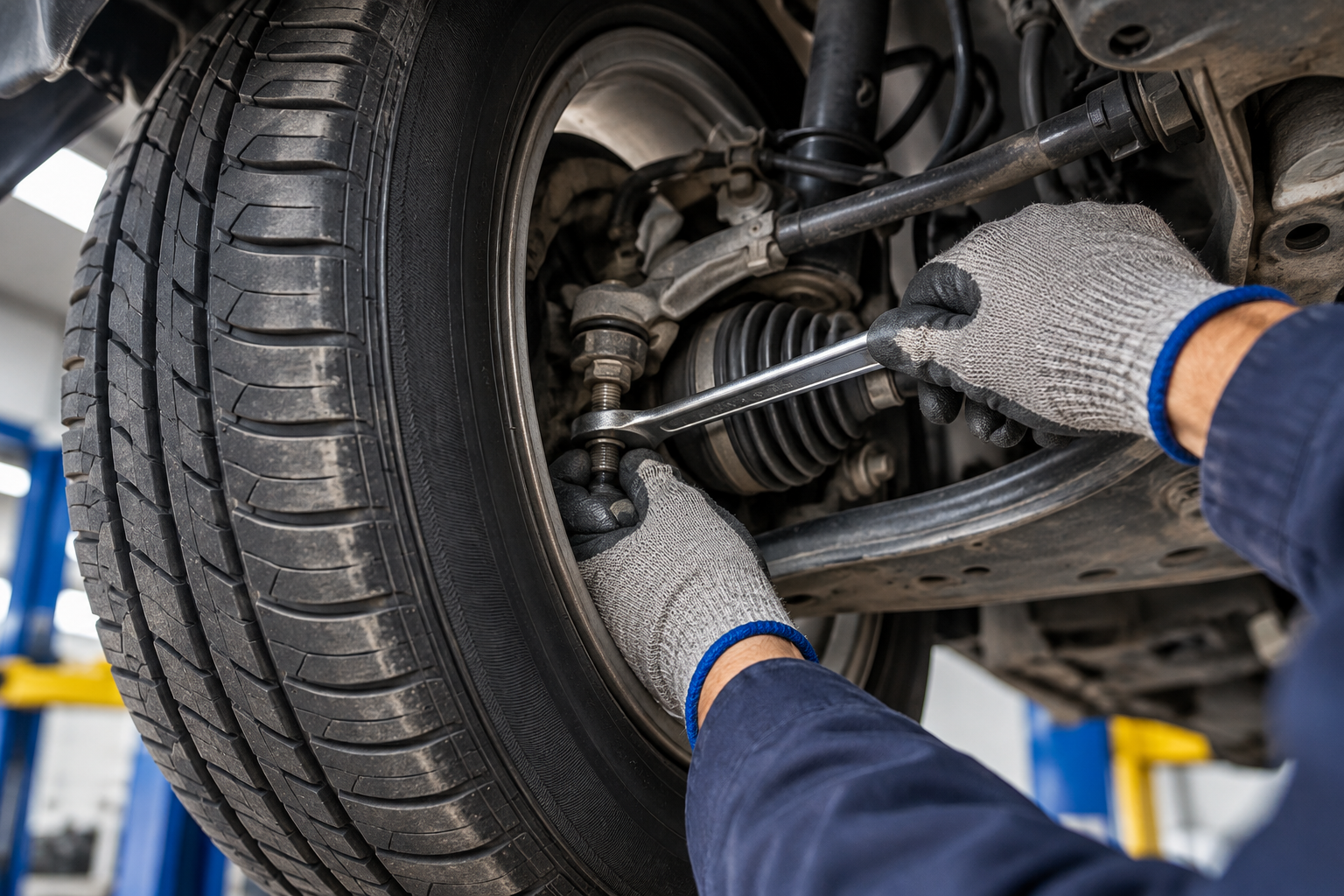
Components get loaded and watched for movement that should not be there. Worn bushings, tired shocks, and loose linkage show up as play, noise or a vehicle that wanders when you let off the wheel.
SAFETY SYSTEMS
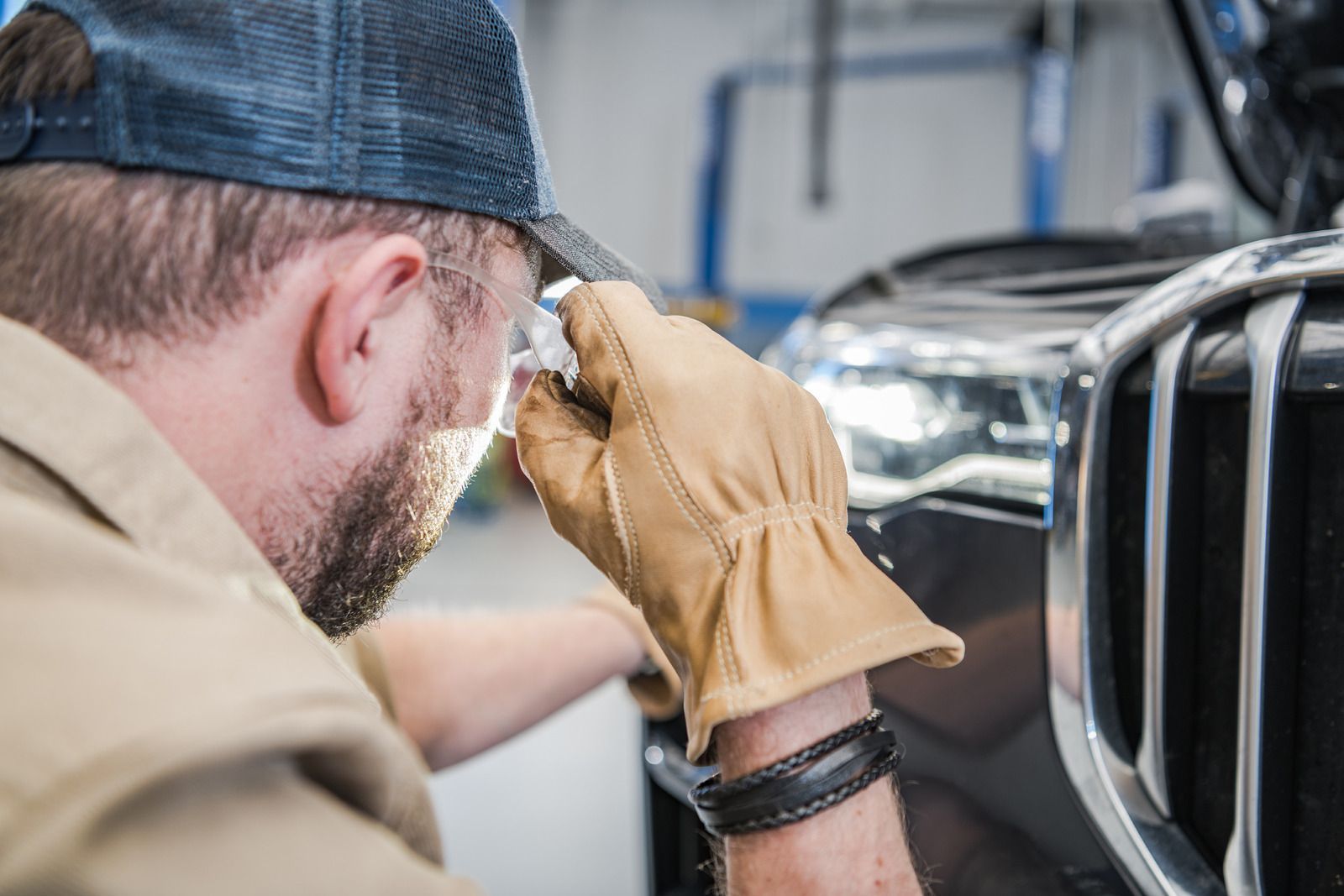
Lights And Safety System Checks
Exterior lights, dash warning indicators, and the visible safety systems get verified as working. A bulb out or a warning that stays lit changes how the rest of the report gets read and prioritized.
WRITTEN REPORT
Comprehensive Written Inspection Report
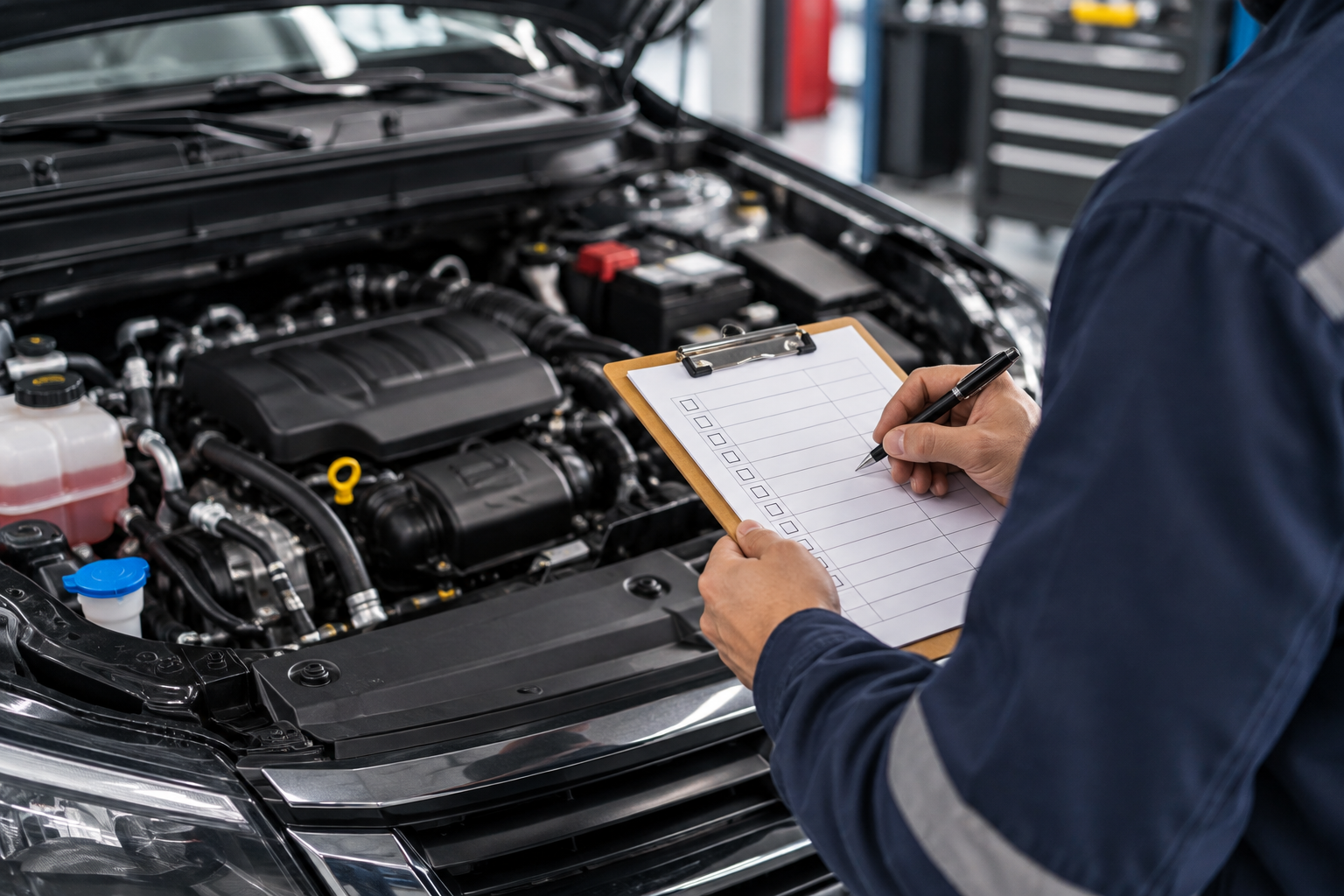
One document carries everything measured, sorted into what needs attention right now, what can be watched, and what is fine. You keep the report whether or not any repair follows on that same day.
THE WORD ON OUR WORK
WHAT OUR CLIENTS SAY.
What drivers repeat back to us is simple: parts that arrive get fitted the same day, jobs finish ahead of the promised date, and more than a few people have been sent home with a written note saying the brakes were still fine and needed nothing.
Common Questions
frequently asked
questions.
Drivers booking an inspection tend to ask the same questions. Answers stay specific about what gets measured, what goes on the report, and what happens once you have read it.
What does a vehicle inspection actually cover?
Brakes, tires, fluids, suspension, lights, and safety systems, each measured rather than eyeballed. Pad thickness and tread depth come back as numbers, fluid condition as a rating, and everything lands on one written report you take with you.
How often should I get my vehicle inspected?
At least once a year for most drivers, and again before any long trip. Heavy commute miles, a loaded vehicle or higher mileage can justify a second look partway through the year rather than waiting for the annual visit.
What is included in a pre-purchase inspection?
Same checklist as any inspection, with extra attention on wear items a seller may not mention: pad and rotor life, tread depth and wear pattern, fluid condition, suspension play, and warning lights. Results come to you in writing.
Should I get a pre-trip inspection before a road trip?
Yes, particularly before desert or mountain driving where a small fault becomes a large problem far from help. Tires, brakes, fluids, suspension, and lights get checked so the vehicle leaves in a known condition rather than a hopeful one.
What do I get at the end of an inspection?
Every inspection ends with a written report listing what was checked, what was measured, and how urgent each finding is. M & A Auto Care in Pomona, CA hands that document to you whether or not you approve any repair work.
What happens if the inspection finds a problem?
Findings get explained with the measurement behind them, then priced in a written estimate before anything is authorized. Nothing proceeds without your approval, and items that can safely wait are marked as such on the report you keep.
How long does a vehicle inspection take?
Set aside part of a morning for a full inspection, since measuring pads, rotors, tread, and suspension properly takes longer than a walk-around. Booking ahead keeps the bay open so the vehicle is not left waiting in line.
Is a safety check the same as a routine inspection?
Largely yes, since the safety items are the core of the checklist. Booking a routine evaluation with M & A Auto Care in Pomona, CA covers brakes, tires, fluids, suspension, lights, and safety systems in one visit with one report.
HOW WE WORK
FROM DROP-OFF TO WRITTEN REPORT.
STEP 01
Tell Us Why You Are Here
Pre-trip checks, pre-purchase looks, and routine yearly evaluations share one checklist but differ in emphasis. Knowing which one you need lets us weight the inspection toward the systems that matter most for your situation right now.
STEP 02
Measure The Brake System
Wheels come off so pads can be read against minimum thickness and rotors can be checked for scoring and remaining material. Numbers get recorded rather than described, which makes the next inspection a direct comparison rather than a guess.
STEP 03
Read Every Tire
Depth gets measured across the width of each tire and compared against the 3/32 of an inch replacement point. Sidewalls and wear patterns get inspected at the same time for any visible damage and alignment clues.
STEP 04
Check Fluids And Under-Hood Items
Reservoirs get opened and read one by one: engine oil, coolant, brake fluid, transmission fluid, and power steering fluid, judged on level, and condition. Anything low gets noted with the likely reason, since a low level is usually a symptom.
STEP 05
Load The Suspension And Steering
Each joint gets pried, pushed, and watched for movement it should not have. Loose linkage, worn bushings, and shocks past their useful life show themselves under load long before a driver ever notices the change in handling.
STEP 06
Hand Over The Written Report
Results get sorted into urgent, soon, and fine, each with the measurement behind it on paper. We walk through the document with you, quote anything you want addressed, and leave the final decision in your hands.