
Tire Sales & Tire Services
TIRE SALES AND TIRE SERVICES IN Pomona, CA
Tires reach the end of useful tread at 3/32 of an inch, and rotation every 5,000 to 7,000 miles is what gets them there evenly. M & A Auto Care handles tire sales and tire services in Pomona, CA for domestic and import vehicles: mounting, balancing, puncture repair, rotation, valve stem replacement, TPMS reprogramming, and removal and disposal of whatever comes off the wheel. Tread depth and sidewall condition get read on every vehicle before we quote a single tire.
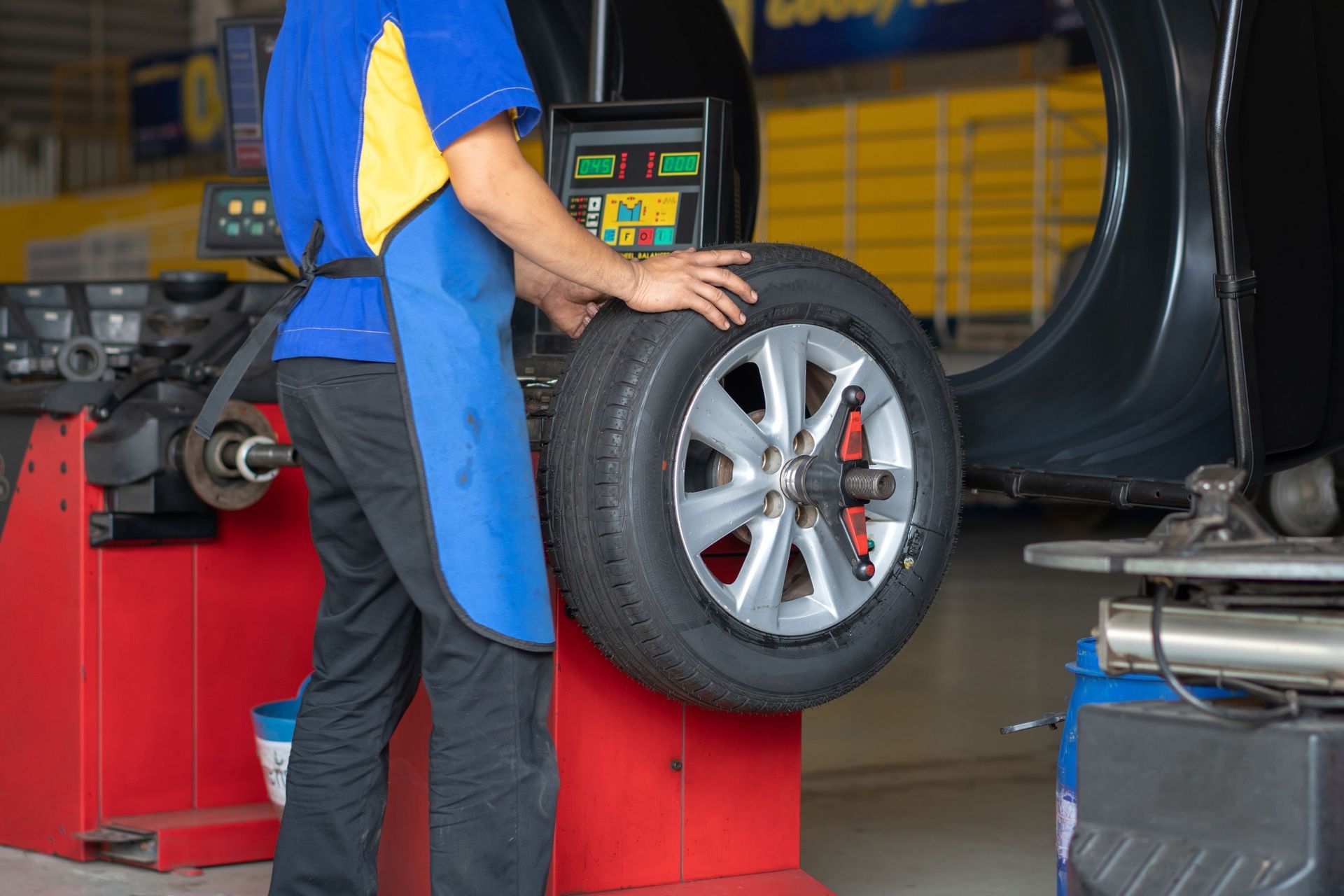
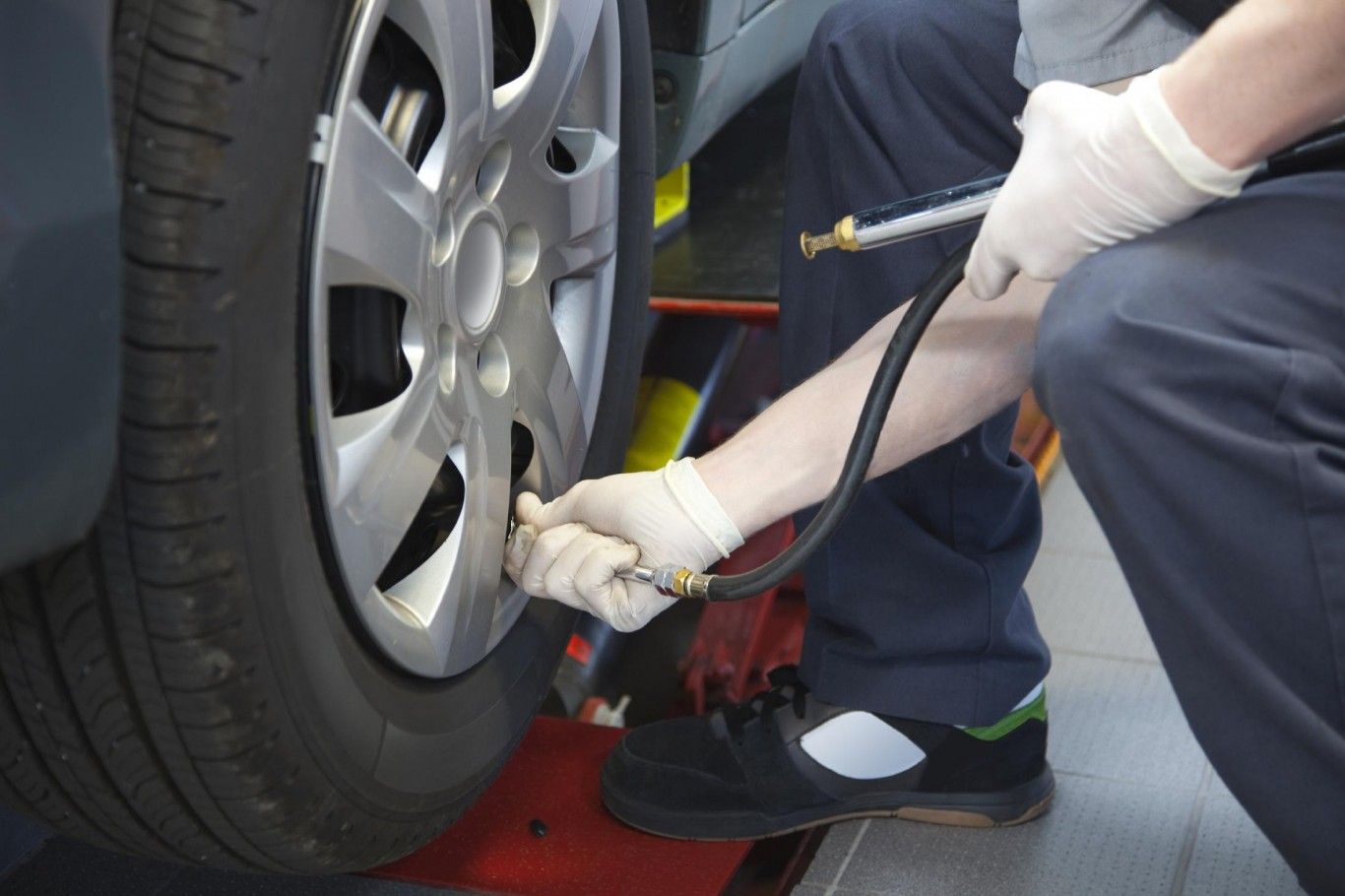
NO TWO TIRES ON A CAR WEAR THE SAME WAY.
Rubber gives up its tread unevenly, not all at once. A tire that looks fine from 6 feet away can be feathered on one shoulder, cupped across the middle, or carrying a nail it sealed against for weeks. Reading a tire means running a hand across the full width, checking both shoulders, and looking at the sidewall for cracking, bulges, and scuffs.
Some of those findings end in a repair rather than a sale. A nail in the center of the tread can often be patched from the inside, which beats selling you rubber you do not need.
- Tread measured across the full width
- Repairable punctures patched from the inside
- Wheels balanced on a modern balancer
- Old tires taken off your hands
TIRE SALES & TIRE SERVICES
A TIRE IS BUILT TO BE USED UP.
A tire is one of the few parts on your vehicle built to wear out and be replaced. That makes buying one a decision about compound, load rating, speed rating, and the miles you actually drive, not just a size on the sidewall. We sell tires, mount them, balance them, rotate them, repair what can be repaired, replace valve stems, reprogram sensors, and take the old set away.
POMONA SUMMERS AGE RUBBER FASTER THAN MILEAGE DOES.
August is the hottest month in Pomona, CA, averaging a daily high near 92 degrees, and the hot stretch runs about 3 months. Hot pavement raises the air pressure inside a tire and softens the rubber working against it. Add the stop-and-go miles that come with living where the 10, the 57, the 71 and the 210 meet, and tread here rarely lasts as long as a mileage chart promises.
TREAD TELLS US MORE THAN A CUSTOMER CAN.
Nobody comes in and says the left front is running 2 pounds low and has been for a year. What you hear instead is that the car feels fine. Then the wheels come off and the wear pattern spells it out: inflation, alignment, a worn bushing, a rotation that never happened. After 35 years of pulling tires off vehicles in this valley, the rubber has stopped surprising us. We read it first, then talk.
WHY CHOOSE US FOR TIRE SALES & TIRE SERVICES.
TIRES CHOSEN FOR HOW YOU DRIVE
Size is the starting point, not the answer. Load rating, speed rating, and the kind of miles you put on a vehicle decide which tire actually belongs on it.
BALANCE YOU CAN FEEL AT SPEED
An unbalanced wheel shows up as a shimmy that grows with speed. Every tire we mount goes on a balancer and gets weighted until the vibration is gone at freeway pace.
REPAIR CONSIDERED BEFORE REPLACEMENT
Not every puncture ends in a new tire. If the damage sits in the repairable zone and the tread still has life, patching it costs you less than buying rubber.
SENSORS WORKING BEFORE YOU LEAVE
A pressure sensor that was not reprogrammed leaves a warning light burning on the dash. Reprogramming happens as part of the job, and we confirm the light is out.
OLD TIRES LEAVE WITH US
Nothing goes home in your trunk. Removal and disposal of the set that came off is part of the work, so you are not storing worn rubber in a garage.
NATIONWIDE COVERAGE ON WHAT WE INSTALL
Most installed products carry a nationwide warranty of 2 years or 24,000 miles. That coverage does not end at the county line, which matters on a long drive.
WHAT WE INSTALL
OUR TIRE WORK.
Tire work splits into what goes onto the vehicle and what has to happen afterward. Below is the full list we sell, mount, balance, repair, rotate, and reprogram, with the wheels off the ground.
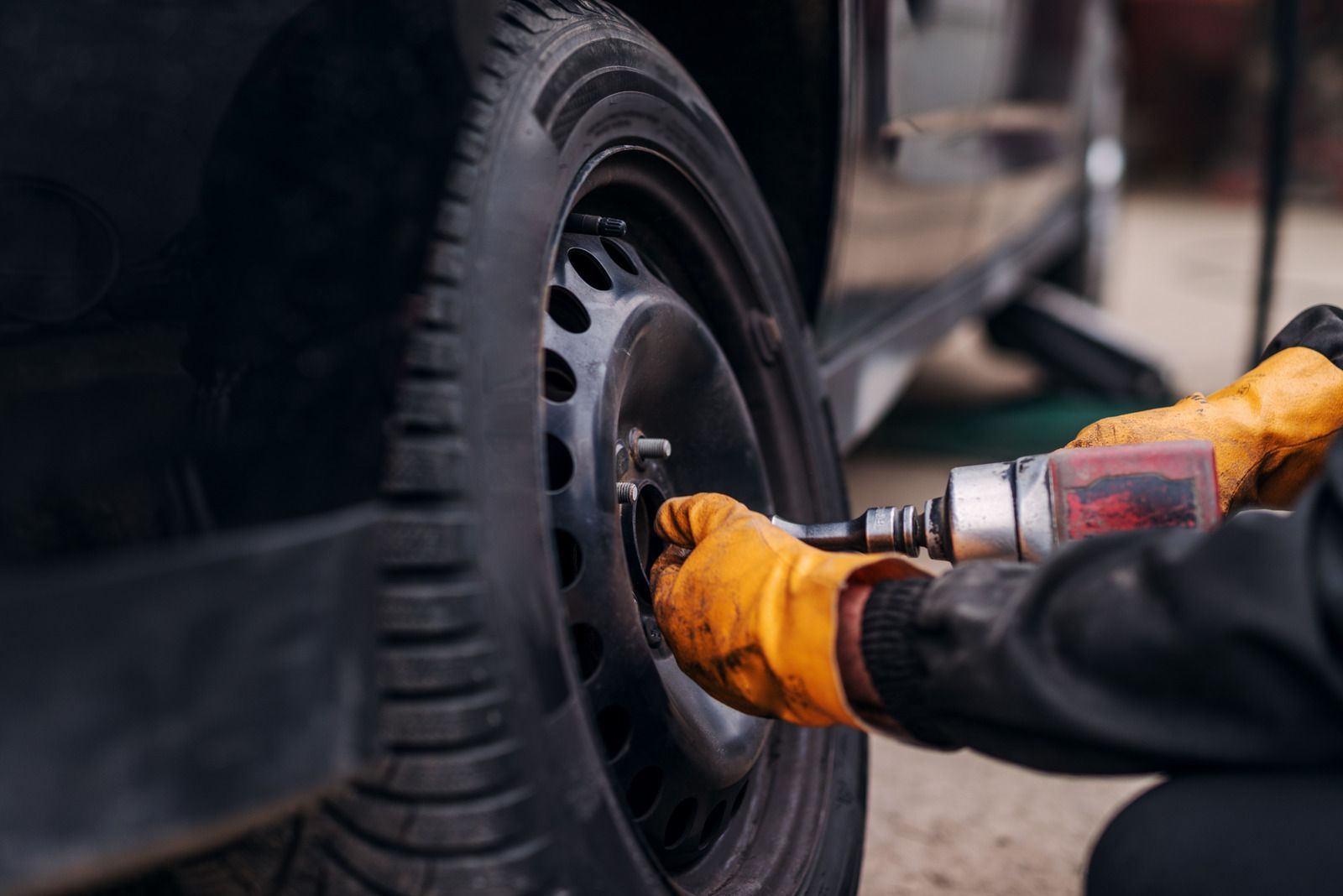
NEW TIRES
Tire Sales And Installation
Sizes, load ratings, and speed ratings get matched to what the vehicle calls for and how you drive it. Installation covers dismounting the old set, fitting the new one, and hauling the worn tires away.
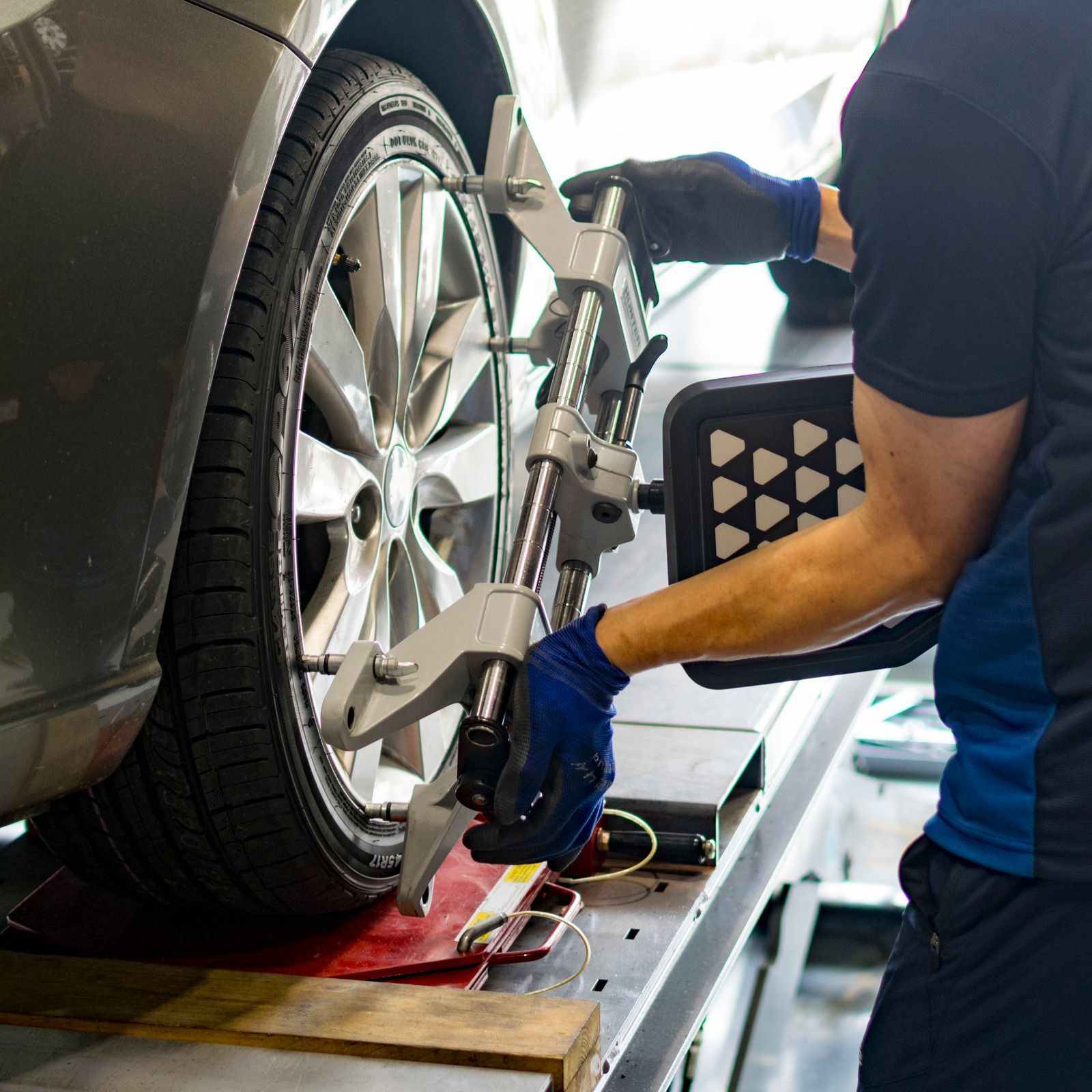
WHEEL BALANCING
Mounting And Balancing
Fresh rubber goes onto the rim with the bead seated properly, then the assembly spins on a balancer. Weights get placed until the wheel runs true, because an unbalanced set chews its own tread.
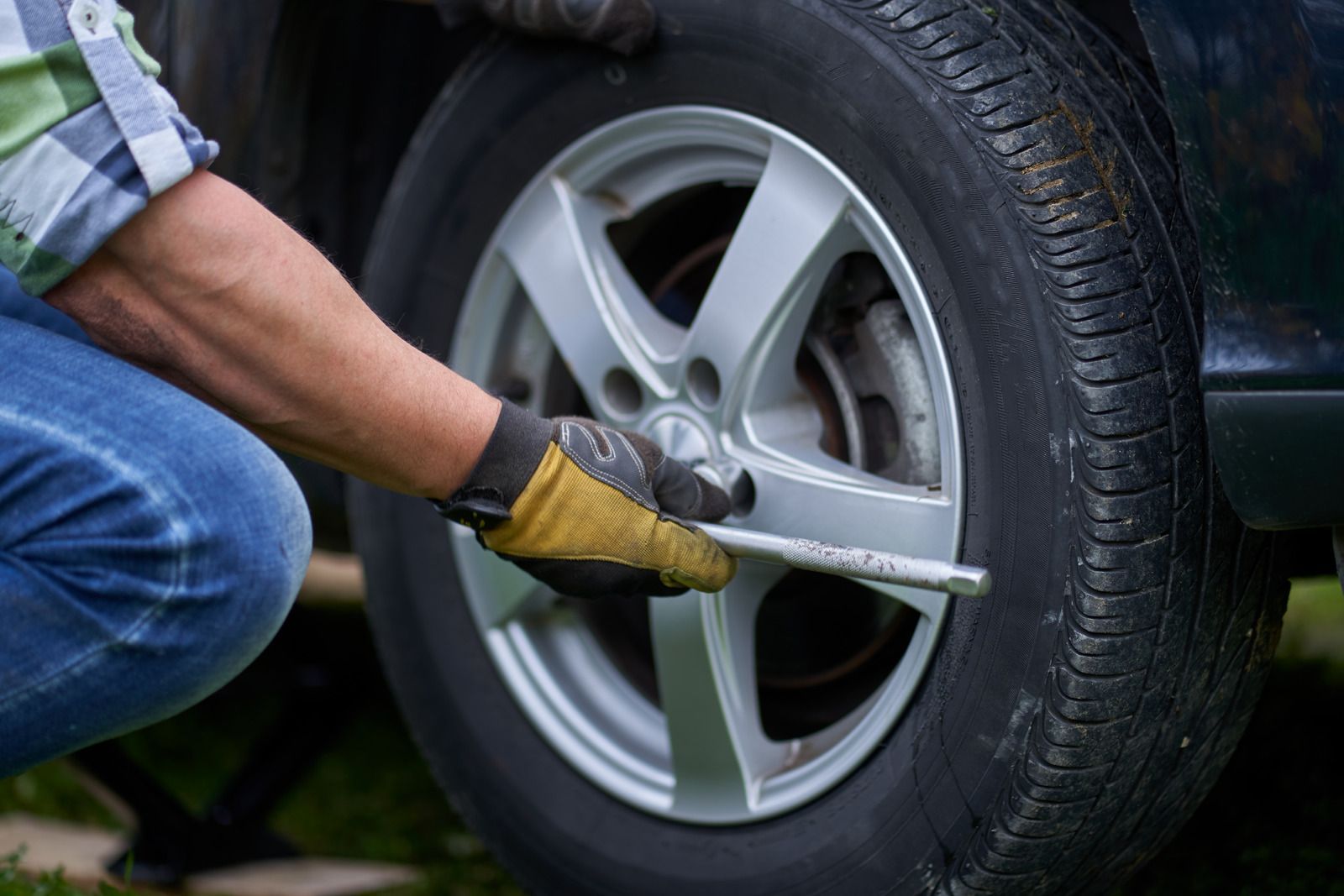
PUNCTURE REPAIR
Flat And Puncture Repair
Punctures get dismounted and inspected from the inside, not plugged from the outside and sent back out. Damage inside the repairable tread area gets patched. Anything outside it means the tire is finished for good.
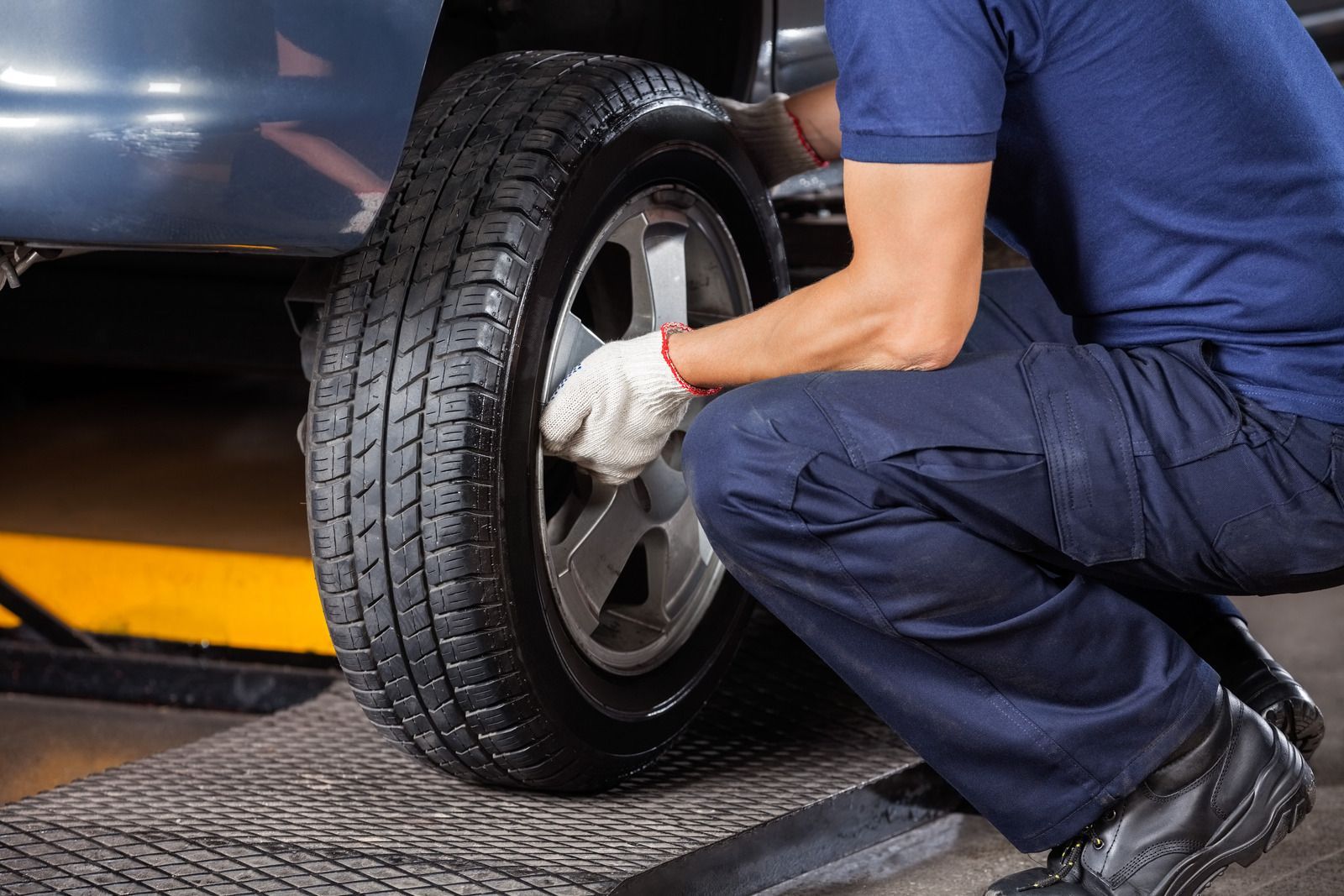
ROTATION SERVICE
Tire Rotation
Positions get swapped every 5,000 to 7,000 miles so front and rear wear evens out. Tread depth is recorded at each corner during the swap, which turns rotation into a free reading on wear.
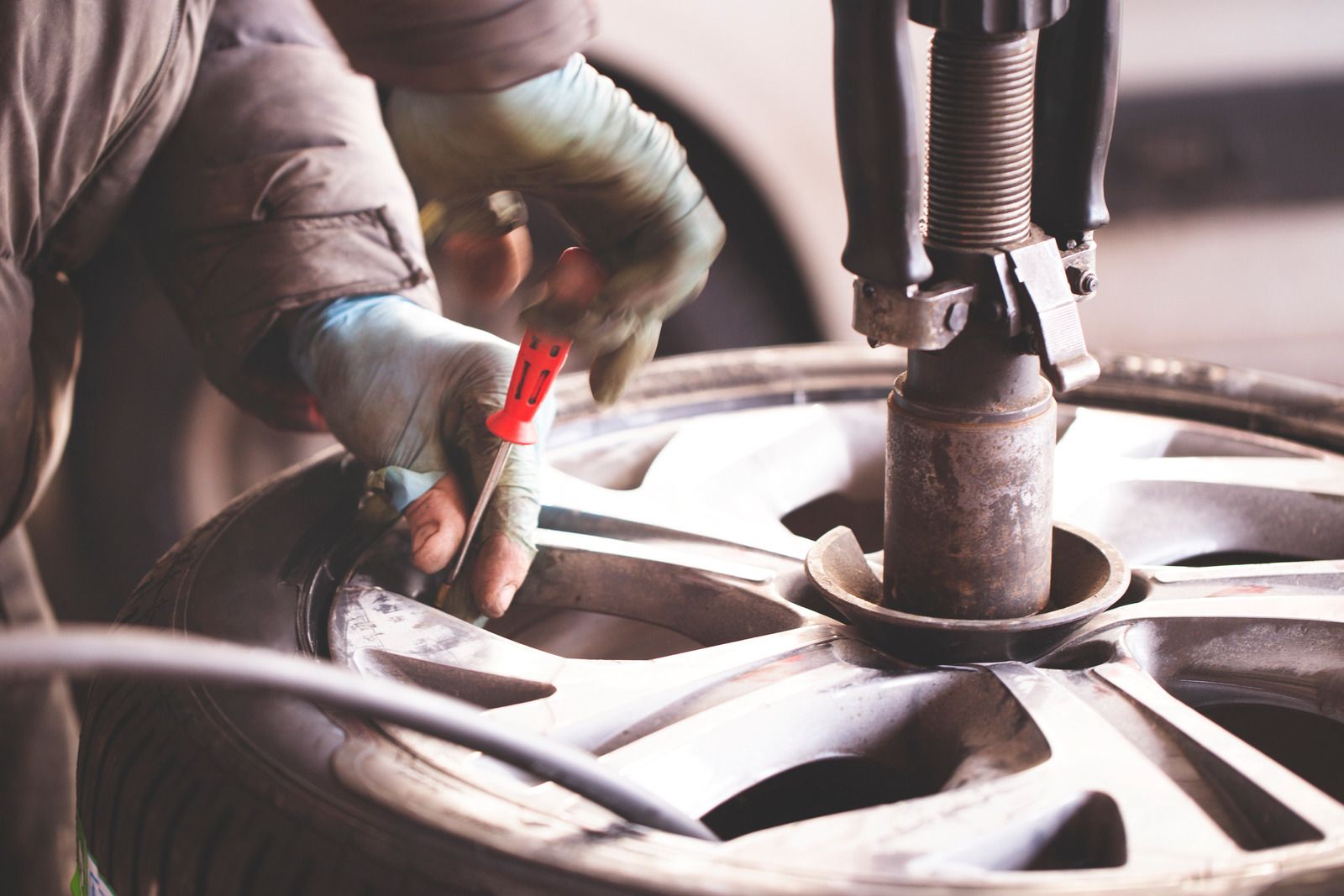
VALVE HARDWARE
Valve Stem Replacement And TPMS Reprogramming
Rubber valve stems dry out and crack with age, so a fresh stem goes on with the tire rather than reusing the old one. Pressure sensors get reprogrammed afterward so the dash reads the right wheel.
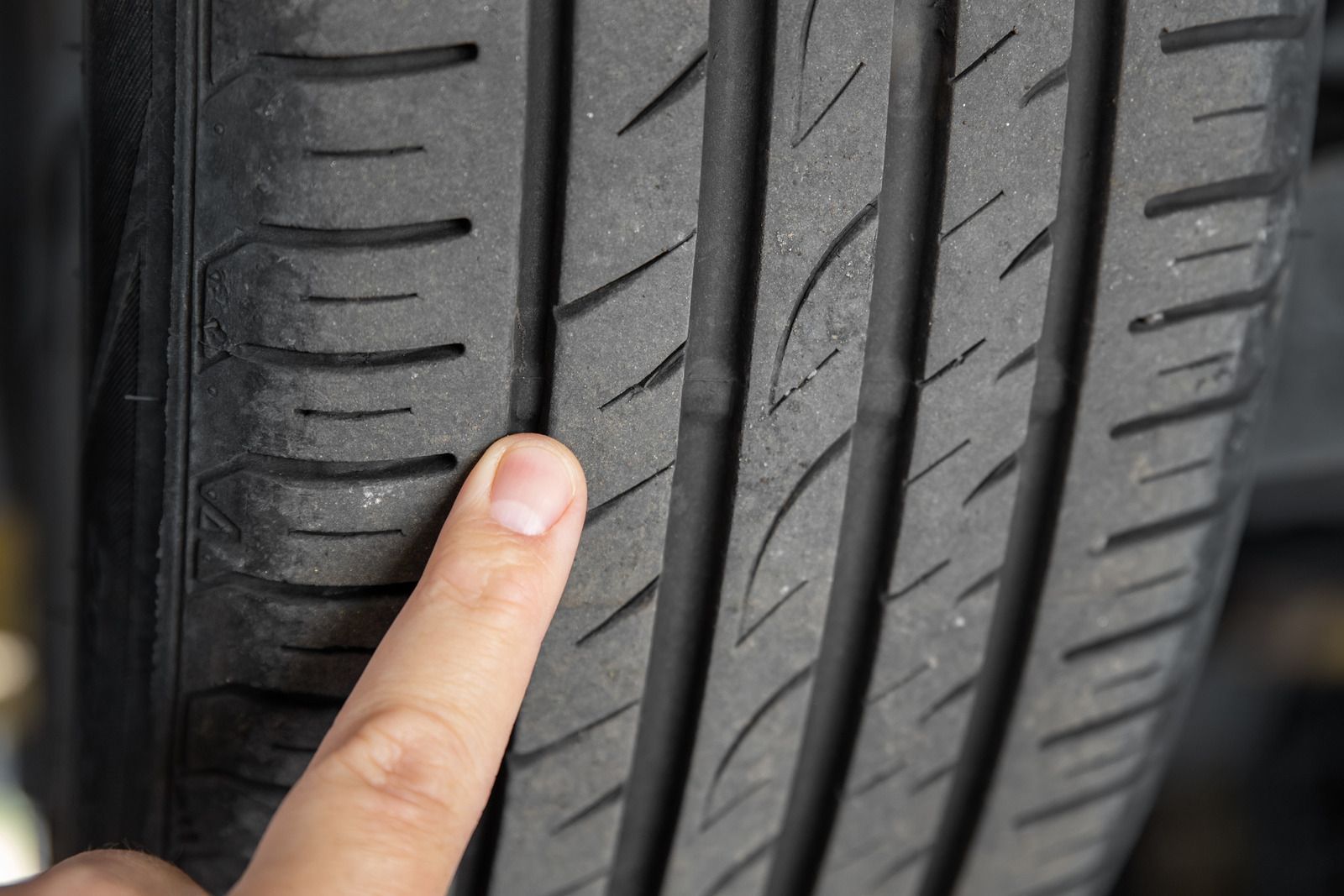
WEAR READING
Tread And Sidewall Inspection
Depth gets read at the shoulders and the center, and the pattern between them says whether pressure, alignment or a suspension part is at fault. Sidewalls get checked for cracking, bulges, and curb damage.
THE WORD ON OUR WORK
WHAT OUR CLIENTS SAY.
Drivers keep telling us the same handful of things: a tire ordered in the morning went on before closing, the job came back ahead of the date we promised, and somebody who expected a bill for 4 new tires left with a single patch instead.
Common Questions
frequently asked
questions.
Tire questions tend to come in bunches, usually right after a warning light or a slow leak. Below are the answers drivers ask for most before booking a visit.
How do I check my tire tread depth at home?
Tread depth reads easily with an inexpensive gauge pressed into a groove, and 3/32 of an inch is the replacement point. A penny works in a pinch: insert it head down, and if the top of the head shows, the tire is done.
Can a punctured tire be repaired or does it need replacing?
Yes, many punctures are repairable. A small hole in the tread area, caught before the tire was driven flat, takes an internal patch and goes back into service. Age, tread depth, and prior repairs all factor into that decision.
Where on a tire is a puncture repair allowed?
Repairs belong in the crown, the central portion of the tread where the belts run. Anything in the shoulder or the sidewall flexes too much to hold a patch, and a hole larger than 1/4 inch is out of bounds.
How old can a tire be before it should be replaced?
Rubber ages whether the vehicle moves or not. A date code on the sidewall gives the week and year of manufacture, and once a tire passes 6 years we inspect it closely for dry rot, fine cracking, and hardened rubber.
Why did my TPMS light come on after new tires?
Sensors have to be reprogrammed after a tire change, and a light that stays on usually means that step was skipped or a sensor battery has died. M & A Auto Care handles that reprogramming in Pomona, CA on every tire job.
Should I adjust tire pressure in hot weather?
Heat raises pressure roughly 1 psi for every 10 degrees, so a tire set on a cool morning reads higher by afternoon. Check pressure cold, before driving, and set it to the placard on the door jamb rather than the sidewall.
Can I mix tire brands, or should tires be replaced in pairs?
Matching matters most across an axle. Two different brands on the same axle can pull and wear unevenly, so replacing in pairs is the safer route. M & A Auto Care sizes and matches replacements in Pomona, CA before mounting anything.
How often should tires be rotated?
Every 5,000 to 7,000 miles is the working interval, which lines up neatly with most oil changes. Front and rear tires wear at different rates, and swapping positions on schedule keeps all 4 arriving at the replacement point together.
HOW WE WORK
MOUNTING, BALANCING AND EVERYTHING BEFORE IT.
STEP 01
Read The Tread And Sidewalls
Each tire gets a depth reading at the shoulders and the center, along with a sidewall check for cracking and bulges. That tells us whether you need rubber, a repair, a rotation or nothing at all this visit.
STEP 02
Talk Through Fitment And Options
Size, load rating, speed rating, and how you actually drive narrow the list down to a few sensible choices. We lay out what each one does differently and let you pick from real options rather than a single recommendation.
STEP 03
Put The Numbers In Writing
California law requires a written estimate and your authorization before work begins, and no shop may go past that figure without your consent. You see the total before a single wheel comes off the vehicle, and nothing gets added later.
STEP 04
Dismount And Inspect The Wheel
Off the vehicle, each wheel gets looked at for bent rims, corrosion at the bead seat and a valve stem that has hardened. Problems there cause slow leaks that no new tire will fix on its own.
STEP 05
Mount, Balance And Torque
New rubber seats onto a clean rim, the assembly spins on a balancer until weights bring it true, and lug nuts come down to the manufacturer torque figure with a wrench instead of an impact gun.
STEP 06
Reprogram Sensors And Clear The Old Set
Pressure sensors get reprogrammed and the dash light verified out before the keys come back. Pressures are set to the door placard, and the worn tires leave with us for disposal rather than riding home with you.