
Wheel Alignment
WHEEL ALIGNMENT IN Pomona, CA
A wheel alignment takes about an hour and is worth checking after new tires, after suspension work, or after a hard pothole or curb strike. M & A Auto Care performs precision wheel alignment in Pomona, CA on domestic and import vehicles, setting camber and toe to factory specification and reading the result on a digital display against manufacturer numbers. Correcting a pull and stopping uneven wear are the point, and nothing gets adjusted before we inspect the suspension.
DRIVING STRAIGHT IS NOT THE SAME AS BEING IN SPEC.
Alignment angles are measured in fractions of a degree, which is well below what a driver can feel through the wheel. A vehicle sitting slightly outside specification will still hold a lane on a flat road while quietly scrubbing rubber off the inside shoulder of both front tires. The wear shows up months before the handling does.
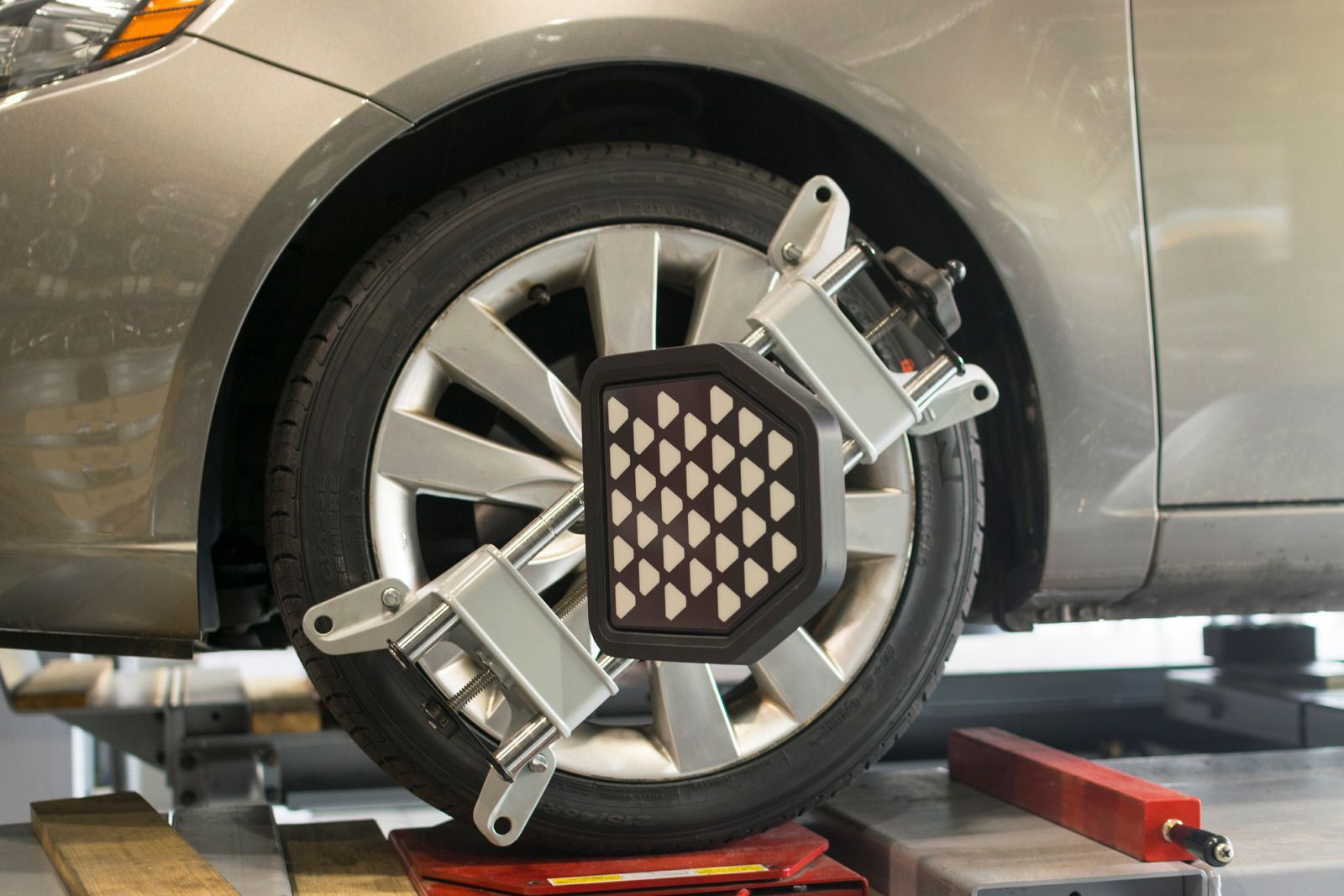
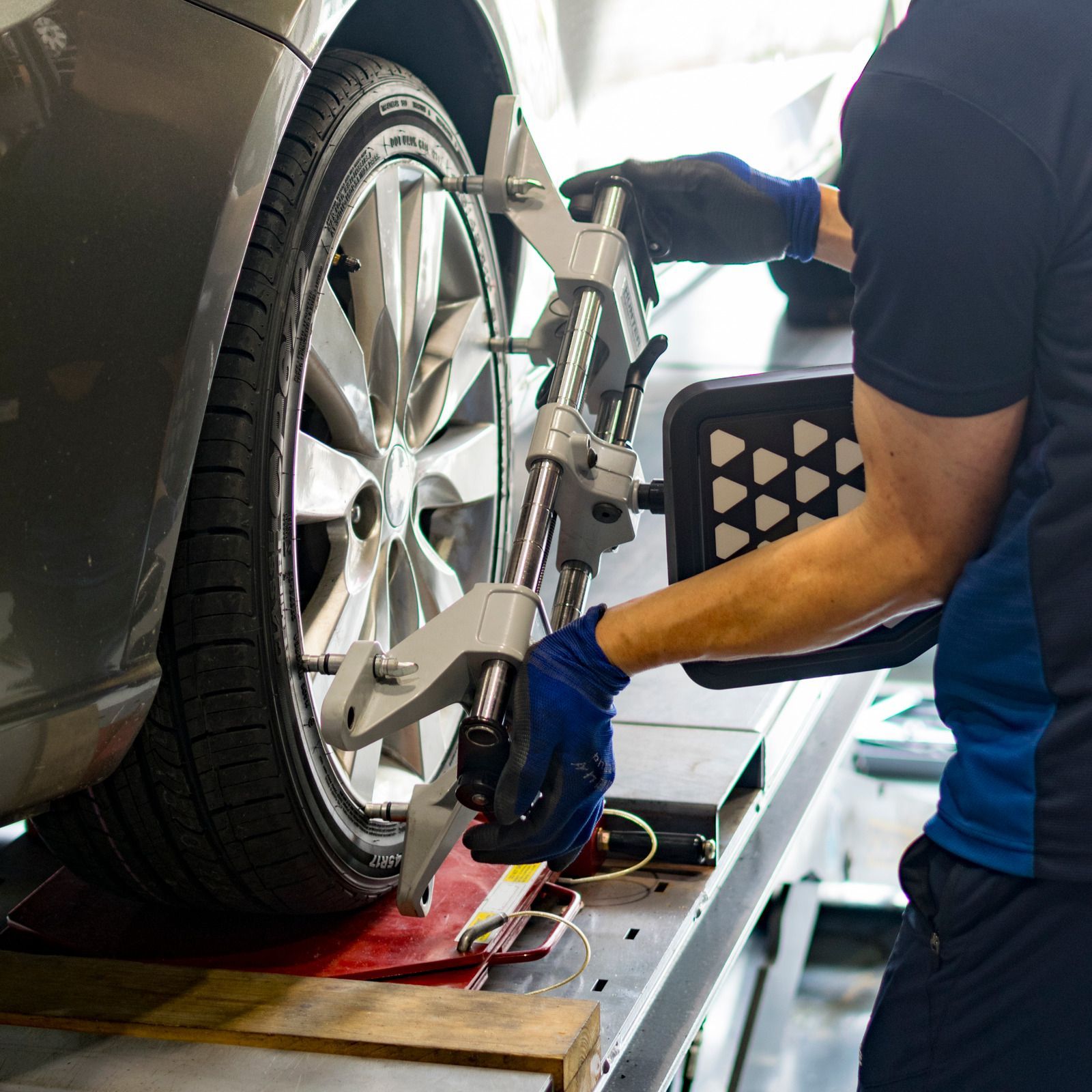
That is why the equipment matters more than the seat of the pants. Sensors clamp to each wheel, the readings land on a screen, and the factory number sits right beside them.
- Camber and toe set to specification
- Digital readings compared against factory numbers
- Steering wheel centered before delivery
- Confirmed on the road afterward
WHEEL ALIGNMENT
EVERY WHEEL HAS A NUMBER IT IS SUPPOSED TO HIT.
Camber is how far the top of a wheel leans in or out. Toe is whether the front edges point toward each other or away. Factory engineers picked a figure for each one, and suspension parts, ride height, and a firm curb strike all move a vehicle off it. Our alignment work brings those angles back to specification and confirms the result on the display before anything leaves.
POMONA ROADS MOVE WHEELS A LITTLE AT A TIME.
Pomona, CA sits where the 10, the 57, the 71 and the 210 come together, so most local driving happens in stop-and-go traffic on surface streets and offramps. That is where the damage happens: a hard seam at a lane transition, a curb caught while parking, a pothole hidden in a shadow. None of it feels dramatic, and any of it can move an angle out of specification.
STRAIGHT IS A NUMBER, NOT AN OPINION.
Plenty of vehicles arrive with an owner certain the alignment is off, and plenty arrive with an owner certain it is fine. Neither belongs in the decision. We clamp the heads on, take the reading, and show you where each angle sits against the factory figure before touching a tie rod. That habit is what 35 years of alignment work in this valley teaches you. The screen settles the argument.
WHY CHOOSE US FOR WHEEL ALIGNMENT.
YOUR ANGLES MEET THE FACTORY FIGURE
Camber and toe get set to the number your manufacturer published, not to a shop preference. The display shows where each wheel started and where it ended up.
THE READOUT IS SHOWN TO YOU
Before and after numbers come off the alignment display so you can see exactly what moved and by how much. Nothing about the result gets described to you secondhand.
NO MORE FIGHTING THE STEERING WHEEL
A vehicle that drifts toward the shoulder makes you correct constantly without noticing. Setting the angles back to specification takes that steady low-level effort out of every drive.
TIRES REACH THE MILEAGE THEY SHOULD
Misaligned wheels scrub tread away on one edge while the rest of the tire looks new. Correcting the angles lets a set wear evenly across its full width instead.
DONE INSIDE ABOUT AN HOUR
Most alignments run about an hour from the moment the vehicle goes on the rack, so this is a morning errand rather than a day without your car.
WORN PARTS FOUND BEFORE ADJUSTING
Loose tie rods, tired bushings, and bad ball joints make an alignment impossible to hold. Those get inspected first, because adjusting around a worn part wastes the visit.
WHAT WE MEASURE
OUR WHEEL ALIGNMENT WORK.
Alignment jobs differ in how many wheels get adjusted and what pushed the vehicle out of spec. Below is the range of work an alignment visit can involve once the rack has the numbers.
TOE SETTING
Toe Adjustment
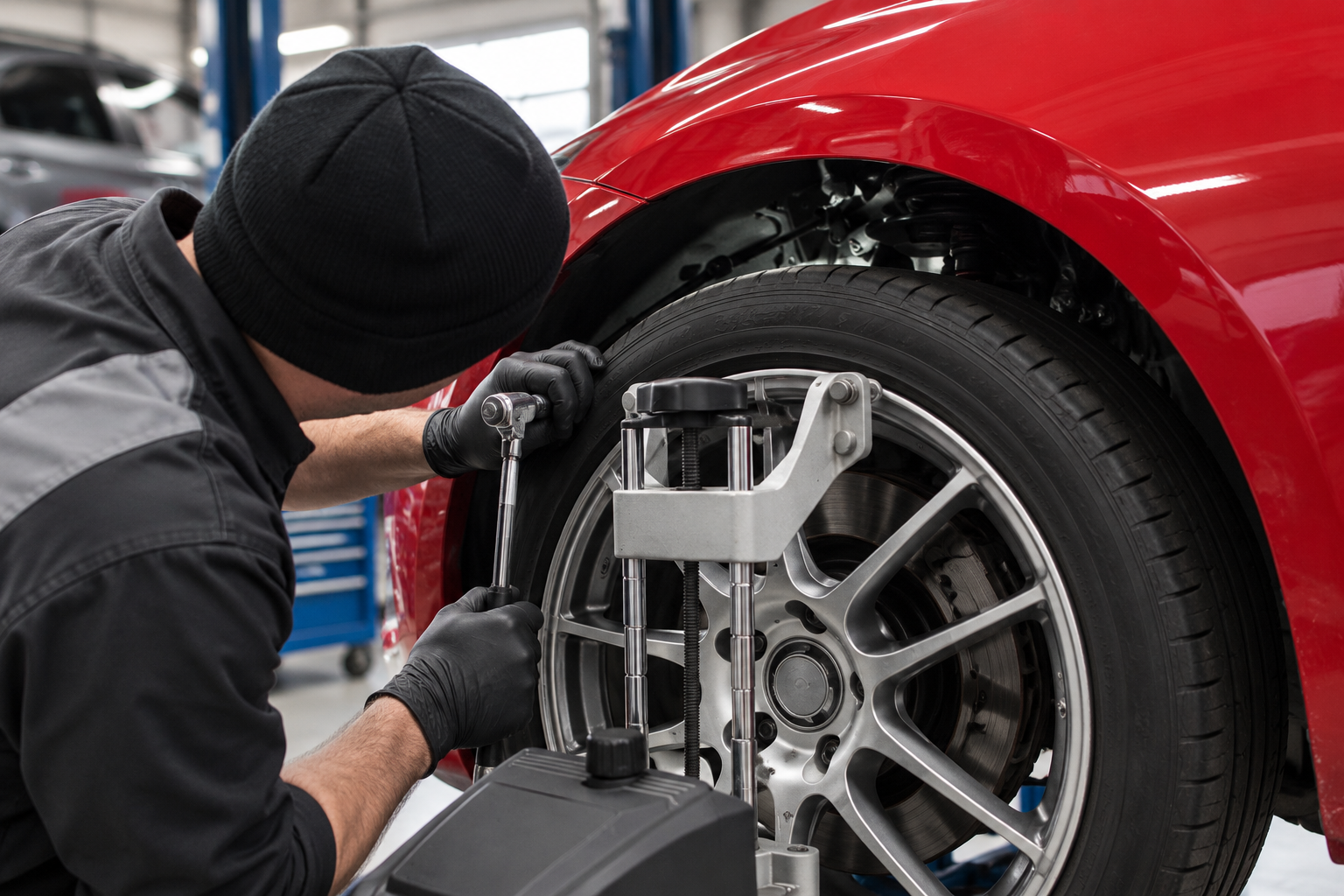
Toe describes whether the front edges of the tires point in or out relative to each other. It is the angle most responsible for feathered tread, and it gets set to the manufacturer figure with the wheels loaded.
CAMBER SETTING
Camber Adjustment
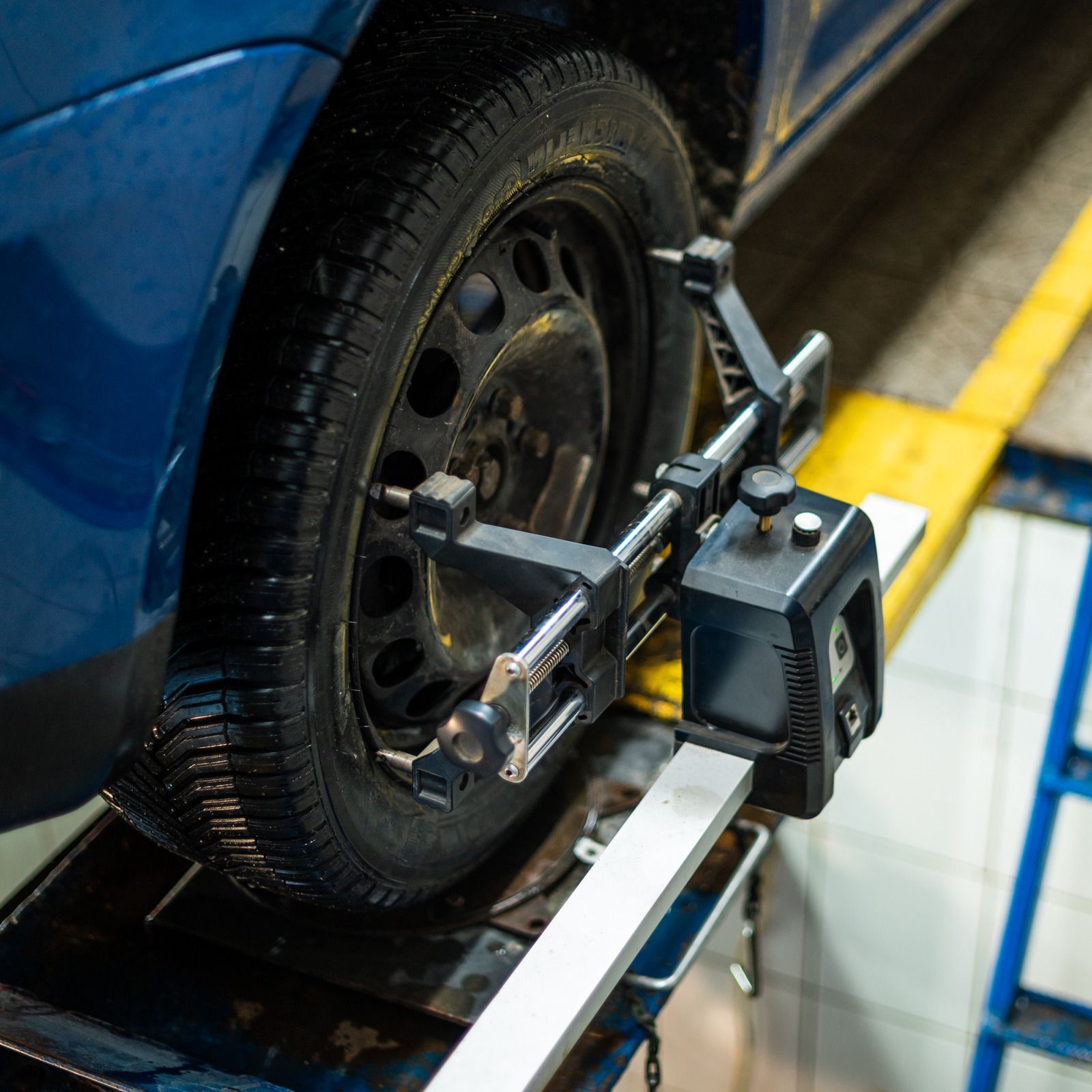
Camber is the inward or outward lean of a wheel viewed from the front. Too much of either edge-loads one shoulder of the tire, so the reading gets pulled back to what the vehicle specifies.
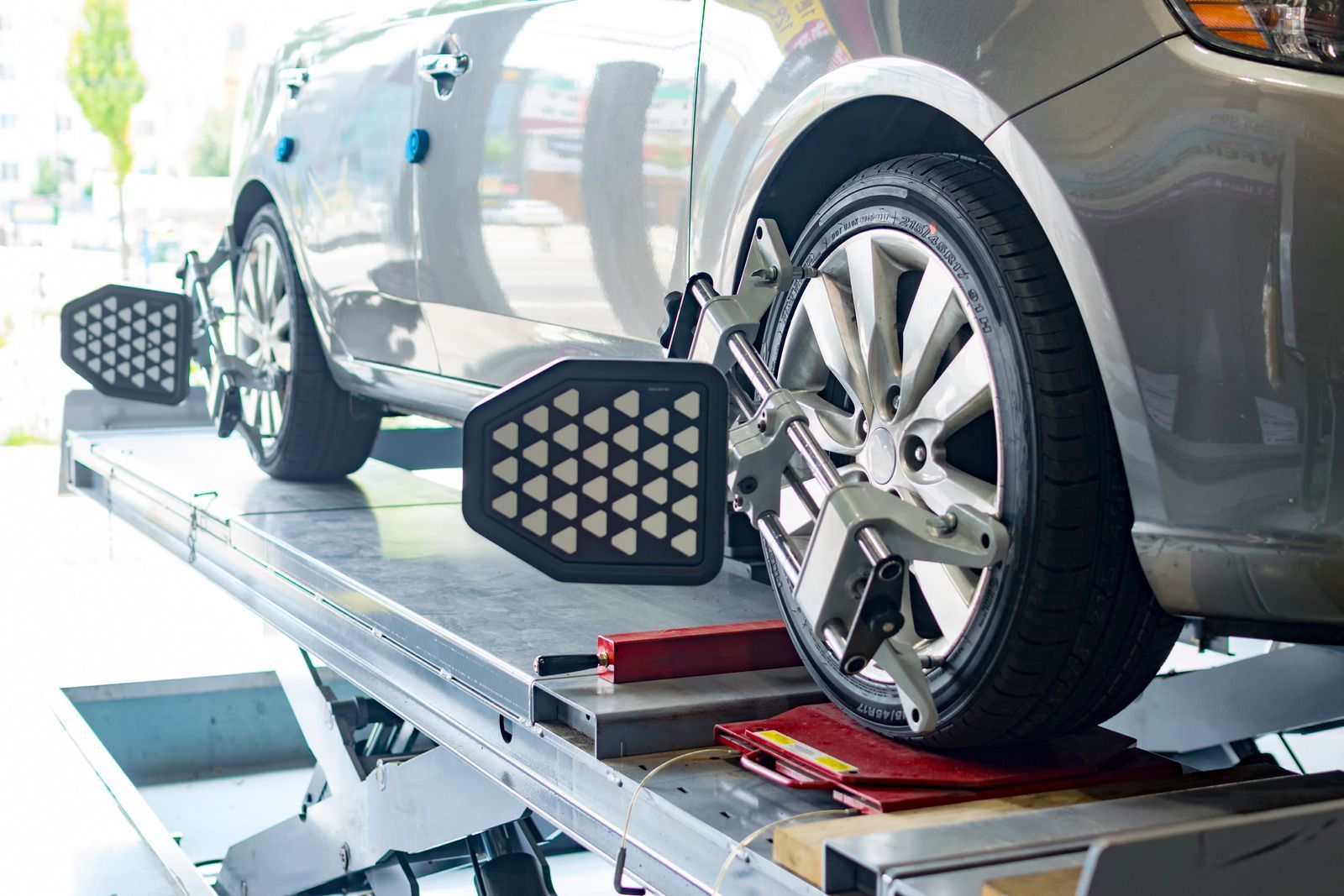
FRONT AXLE
Two-Wheel Alignment
Some vehicles only have adjustment available at the front, so the job covers the front pair while the rear is measured and used as the reference. Measurements still come off all 4 wheels either way.
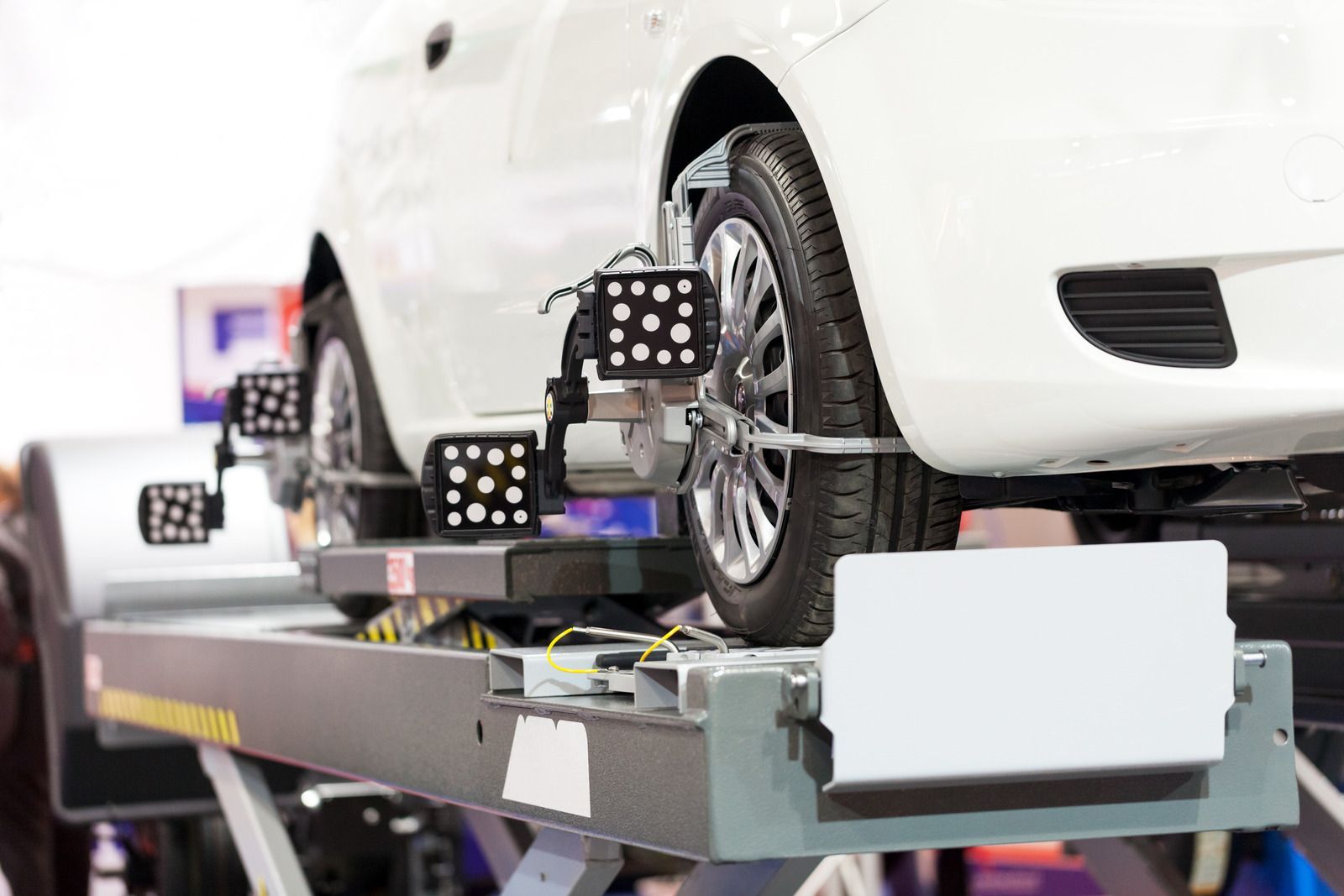
FOUR CORNERS
Four-Wheel Alignment
When the rear is adjustable, all 4 wheels get set so the rear pair squares up with the vehicle centerline and the front pair squares up with the rear. Everything ends up pointing the same direction.
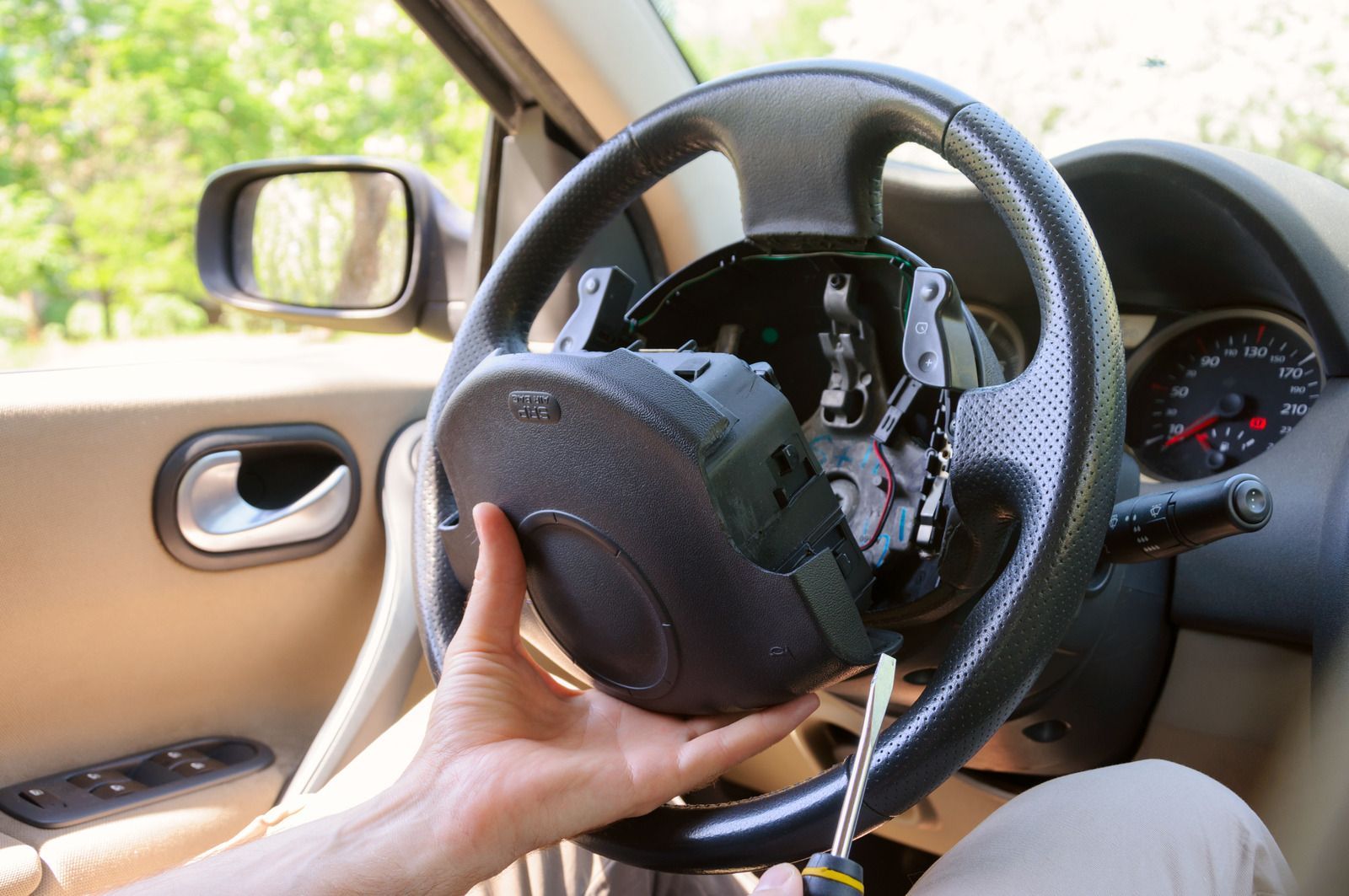
PULL CORRECTION
Steering Pull And Drift Correction
A vehicle that wanders toward one lane edge usually has an angle off on that side. Readings from both sides get compared, the cause is traced, and the wheel is left centered when you drive away.
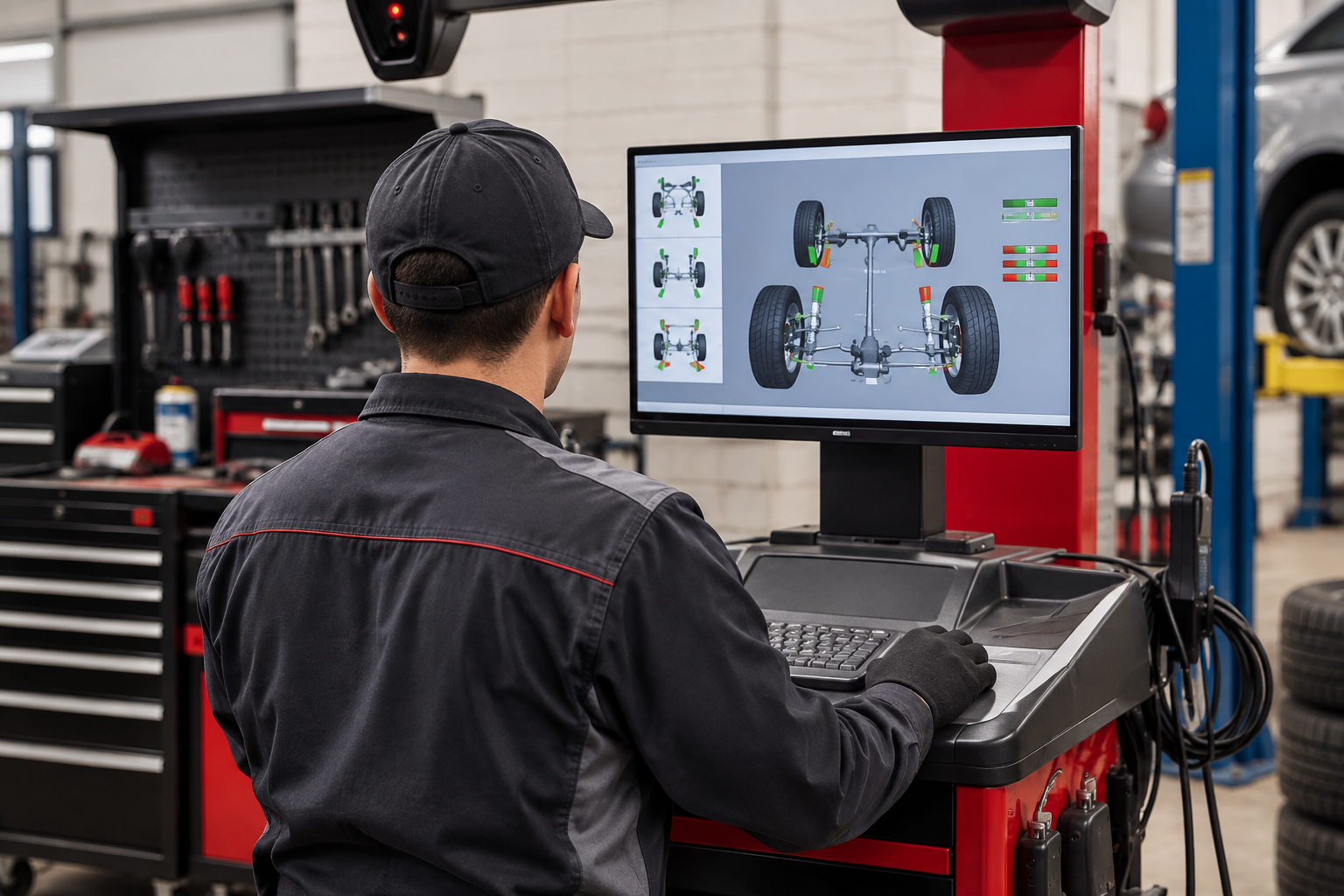
SPEC READOUT
Digital Alignment Readout
Each angle appears on screen next to the range your manufacturer published. You see the before figures, the adjustments made, and the after figures rather than a verbal summary of what happened on the rack.
THE WORD ON OUR WORK
WHAT OUR CLIENTS SAY.
What comes back to us most often is about timing and honesty: parts that arrived got fitted the same day, work finished ahead of the date quoted, and more than one driver has been told the vehicle did not need the work expected.
Common Questions
frequently asked
questions.
Alignment questions usually arrive alongside a new set of tires or a steering wheel that sits crooked. These are the ones drivers ask most often before booking time on the rack.
What is the difference between a two-wheel and a four-wheel alignment?
Two-wheel alignment adjusts the front pair only and is used on vehicles with no rear adjustment available. Four-wheel alignment sets the rear pair to the centerline first, then squares the front to it. Measurements come off all 4 wheels regardless.
What do camber, toe, and caster actually mean?
Camber is the inward or outward tilt of a wheel seen head on. Toe is whether the leading edges point together or apart. Caster is the forward or rearward tilt of the steering axis, which affects straight-line stability.
Do I need an alignment when I buy new tires?
Yes, checking it then is worth the time. New rubber is the first thing an out-of-spec angle will ruin, and starting a fresh set on correct settings is how a full set reaches its rated mileage instead of half of it.
What are the signs of an alignment problem besides pulling?
Pull is only one symptom. A steering wheel that sits off center on a straight road, tires wearing faster on one edge, a vehicle that feels loose at freeway speed, or squeal from the front on gentle turns all qualify.
Can hitting a curb or pothole throw off my alignment?
Impacts are the most common cause. A curb caught while parking or a pothole taken at speed can move an angle instantly, even with no visible damage. M & A Auto Care checks alignment after any hard strike in Pomona, CA.
Does wheel alignment affect fuel economy?
Rolling resistance rises when wheels fight each other instead of pointing the same way, and the engine makes up the difference. Correct angles are listed by the manufacturer partly for that reason, alongside tire life and steady handling.
How often should I have my alignment checked?
Once a year is a reasonable habit for most drivers, and any time new tires go on, suspension parts get replaced, or a pothole lands hard. M & A Auto Care in Pomona, CA checks it during tire work.
What does the alignment printout show me?
The sheet lists every measured angle next to the range your manufacturer specified, with a before figure and an after figure side by side. Anything outside the range is flagged, so you see what was wrong and what changed.
HOW WE WORK
WHAT HAPPENS ON THE ALIGNMENT RACK.
STEP 01
Ask What The Vehicle Is Doing
Pull direction, steering wheel position, when the change started, and whether anything was hit or replaced recently all narrow the search. That conversation happens before the vehicle goes anywhere near the rack, because symptoms point at causes.
STEP 02
Inspect The Steering And Suspension
Tie rods, ball joints, bushings, and wheel bearings get checked for play first. A worn part will not hold an adjustment, so anything loose gets reported to you before any angle is touched on the rack.
STEP 03
Set The Vehicle Up Squarely
Tire pressures get equalized, the vehicle is centered and leveled, and ride height is noted, because a low tire or a sagging spring shifts the readings before a single measurement is taken. Setup decides the accuracy of everything after it.
STEP 04
Take The Digital Readings
Sensor heads clamp onto each wheel and the current camber and toe figures come up beside the factory range. You get shown where each wheel sits against specification before a single fastener is loosened or turned.
STEP 05
Adjust Camber And Toe
Adjustment points move in small increments while the display updates live, so each change is verified as it is made. Both angles come into the manufacturer range rather than somewhere close to the edge of it.
STEP 06
Center The Wheel And Road Test
Wheel position at straight ahead gets confirmed first, then the vehicle goes out on the road. Pull, drift, and steering feel all get verified at speed before the final set of readings is printed and handed to you.